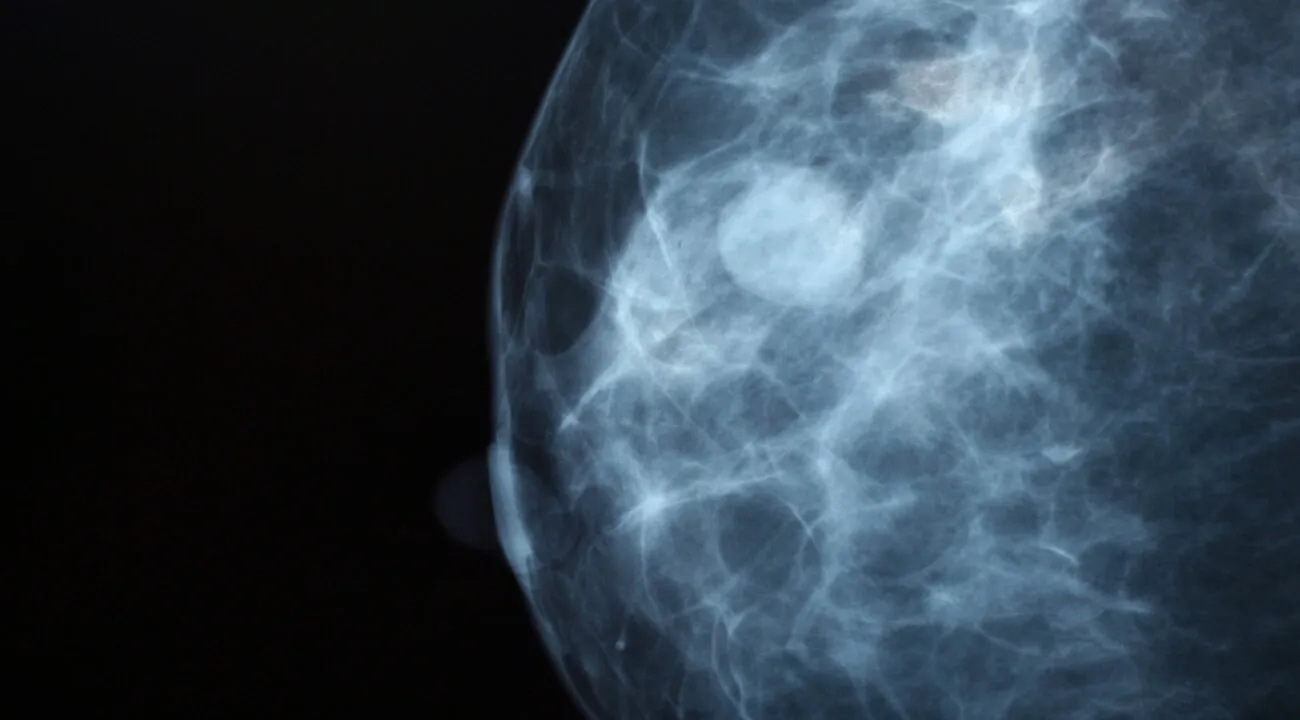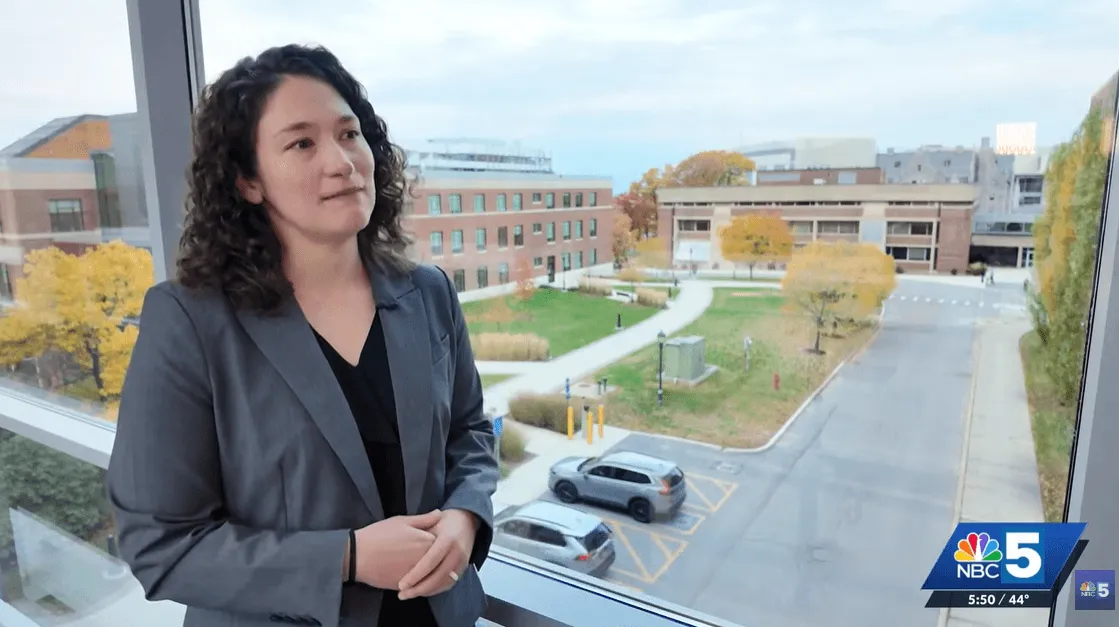
A recently published study led by Sarah A. Nowak, PhD, of the University of Vermont Cancer Center examined mammography screening patterns among Vermont women between 2010 and 2023 and found a long-term decline in screening participation across age groups, particularly among women ages 40 to 49.
Using Vermont's statewide all-payer claims database, linked with data from the Vermont Breast Cancer Surveillance System (VBCSS), researchers found that biennial mammography screening adherence decreased by more than 20 percent among women ages 40 to 49 during the study period, while adherence among women ages 50 to 74 declined by nearly 7 percent. The findings suggest that screening behaviors may be changing across generations and highlight the need for a better understanding of factors influencing women's screening decisions.
The study was published in Cancer Epidemiology, Biomarkers & Prevention and included researchers Sarah A. Nowak, PhD, Erika Ziller, PhD, Michelle Sowden, DO, and Brian L. Sprague, PhD of the University of Vermont Cancer Center.
The research has received attention through several media outlets. In Season 2 Episode 10, Why Are Vermont Women Skipping Mammograms? of the Living Healthy Together podcast, Dr. Nowak discusses the study's findings and explores how changes in screening recommendations, perceptions of risk, personal experiences, and broader health care trends may influence women's decisions about breast cancer screening.
The study was also featured by NBC5/WPTZ during Breast Cancer Awareness Month. In the television segment, lead author Sarah A. Nowak, PhD, discussed the study's findings and the factors that may be contributing to declining mammography screening rates across Vermont. The story also highlighted the importance of routine screening through perspectives from Lucy Lane, M.D., a radiologist at the University of Vermont Medical Center, and a Vermont breast cancer survivor whose cancer was detected through routine mammography.
Researchers note that the reasons behind declining screening rates are likely complex and may include changing perceptions of mammography, evolving screening recommendations, health care access challenges, and lingering effects of the COVID-19 pandemic. Further research is underway to better understand these trends and support efforts to improve participation in breast cancer screening across Vermont.