Our History
The Beginning
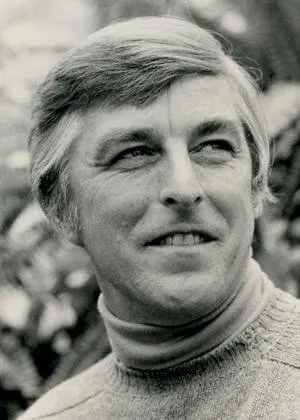
In 1974, The University of Vermont Board of Trustees established the UVM Natural Areas System. By this action, the board recognized UVM’s responsibility of leadership in the identification, protection, and management of important natural areas on its lands. Several UVM faculty were instrumental in the creation of the natural areas system. Hub Vogelmann (below) provided the ecological argument for preserving the Natural Areas. Carl Reidel, then Director of the Environmental Program, advocated for the system to be placed under the administration of the Environmental Program, which the Trustees agreed to. Faculty members Tom Hudspeth and Ian Worley both had established impressive research portfolios within the natural areas and used them extensively as field sites for teaching, demonstrating to the Board the value of these areas for research and education.
A Steward for the Future
Dr. Hub Vogelmann, a UVM professor and prior chair of the botany department, was key to identifying and conserving these Natural Areas. He wrote two books titled “Natural Areas in Vermont” and identified sites across the State with great ecological value and advocated to the UVM Board of Trustees to establish the UVM Natural Areas. Vogelmann was also known by many as the one who established Vermont’s “environmental ethos”.
He founded the UVM Field Naturalist Program and co-founded the Vermont Chapter of the Nature Conservancy to help protect Shelburne Pond and to preserve thousands of acres of ecologically significant land across Vermont. He was an active researcher and steward of alpine areas and was instrumental in creating the Green Mountain Club’s summit steward program and established long-term forest monitoring on Camel’s Hump. His studies on Camel’s Hump documented the impact of acid rain on Red Spruce. Senator Patrick Leahy used Vogelmann’s research to make the case to establish amendments to the Clean Air Act to limit acid rain pollution in 1990. Vogelmann was a founding member of the Vermont Natural Resources Council, and advocated for the creation of Act 250, Vermont’s nationally renowned land-use law.
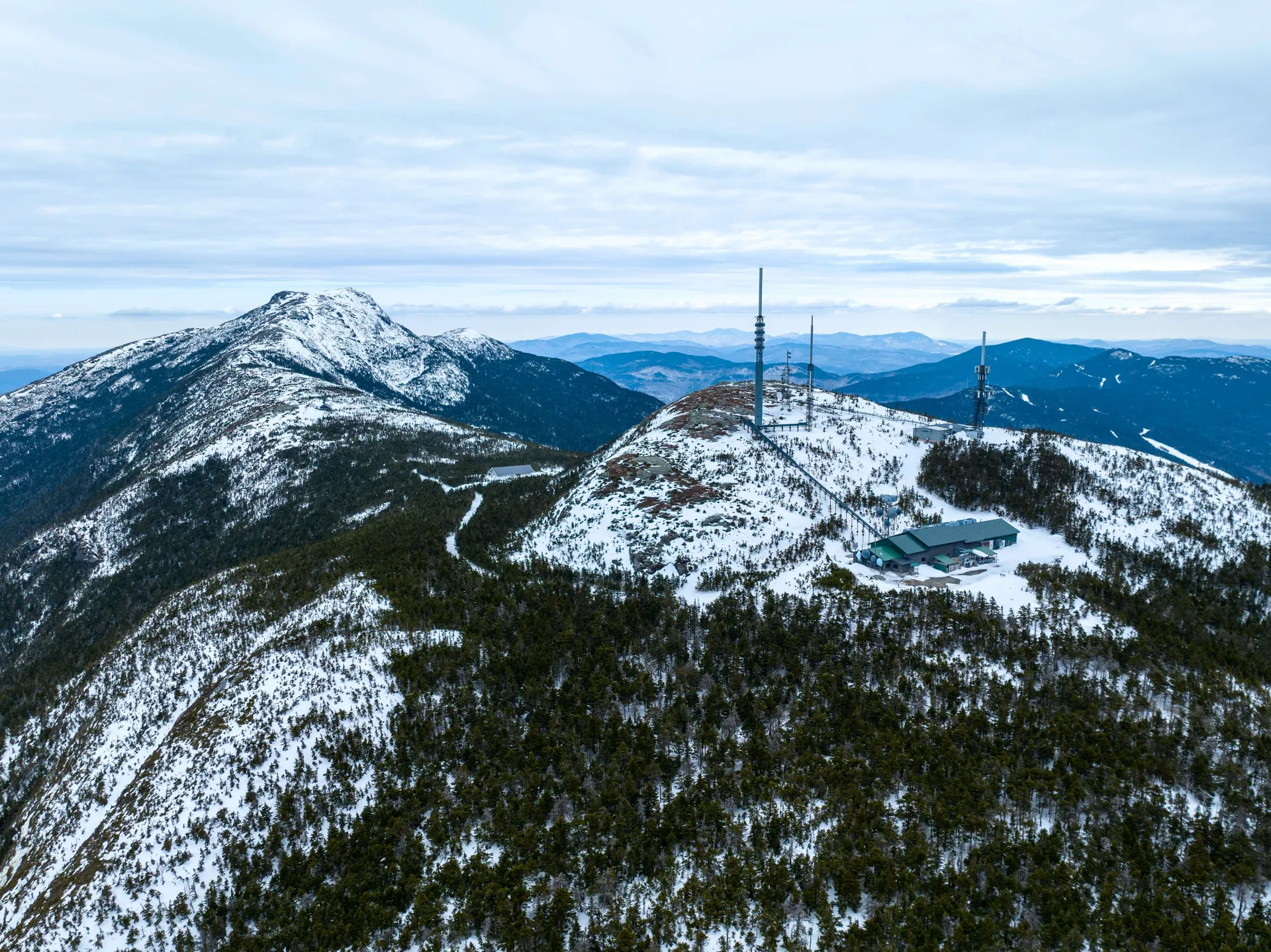
Vogelmann also created an inventory of important natural areas throughout Vermont. These areas included sites that were identified by Vogelmann as ecologically significant, ranging from the alpine tundra at the top of Mount Mansfield, to his favorite fishing hole at Shelburne Pond, to Colchester Bog on the shores of Lake Champlain. In addition to the UVM Natural Areas, Vogelmann outlined many other Natural Areas that the State of Vermont has prioritized and conserved due to his vision.
Our Future
The UVM Natural Areas continue to provide some of the finest examples of Vermont’s natural heritage. Thousands of UVM students each year learn forest management practices, botany and ornithology, ecological restoration practices, engineering design and more within the UVM Natural Areas. UVM faculty researchers collect important climate data and conduct research on water quality and plant adaptation in alpine, wetland, and upland environments. These lands will continue to provide ecological and educational value long into the future.