
The Christmas tree is a well-known symbol of the holiday, but it wasn’t always so. Decorating with evergreen boughs dates back thousands of years to celebrations during the winter solstice, a reminder that life continued even in the coldest months.
Decorating a tree at Christmastime originated in Germany. In the 1700s, Martin Luther brought an evergreen tree indoors and decorated it with lighted candles. Immigrants to America brought the tradition with them. In the mid-1800s, England’s Queen Victoria made Christmas trees fashionable, and their popularity grew.
Early trees were decorated with strings of popcorn, fruit, nuts, and cookies. By the end of the 19th century, glass ornaments imported from Germany began to decorate American Christmas trees. In the early 1900s, electric lights added a glow that was safer than candles. As demand for trees increased, conservationists grew concerned about depletion of evergreen forests, leading to the establishment of Christmas tree farms.
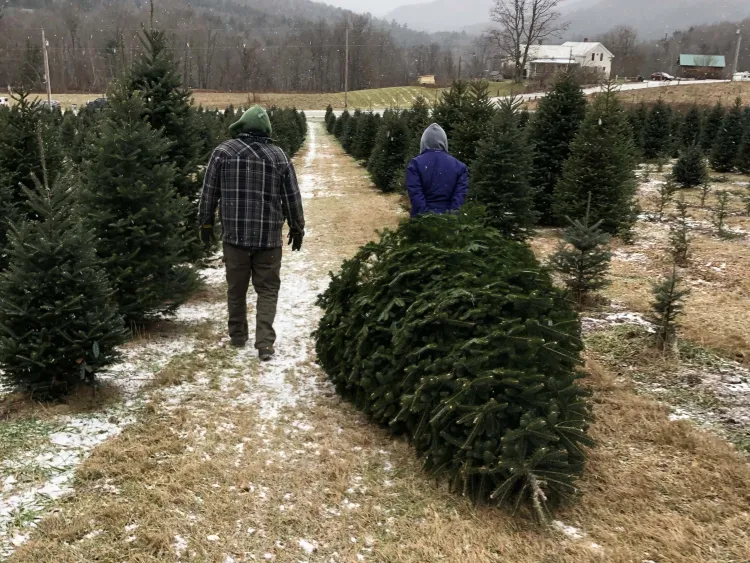
Today, there are many options when choosing a Christmas tree. These include a harvested, natural tree to be disposed of at the season’s end, an artificial tree you can reuse year after year, or a living tree you can plant outside (when weather permits) after the holidays.
Around 30 million natural Christmas trees are purchased annually across the United States, most sold by commercial growers. It takes 6 to 10 years to grow a tree ready for market. Balsam fir (Abies balsamea), Douglas fir (Pseudotsuga menziesii), Fraser fir (Abies fraseri), and blue spruce (Picea pungens) are among the most popular choices.
When choosing a tree, you should look at it from all sides, checking for broken branches or unsightly spaces. No matter how seemingly perfect a tree may be, be wary if its needles break or fall easily. The tree you purchase at a roadside stand was likely harvested weeks earlier and has traveled many miles. A fresh cut made at the base of a pre-cut tree’s trunk about an inch from the bottom will remove dried sap and allow the tree to take in water. If you choose to visit a cut-your-own Christmas tree farm, you’ll be assured your tree is fresh.
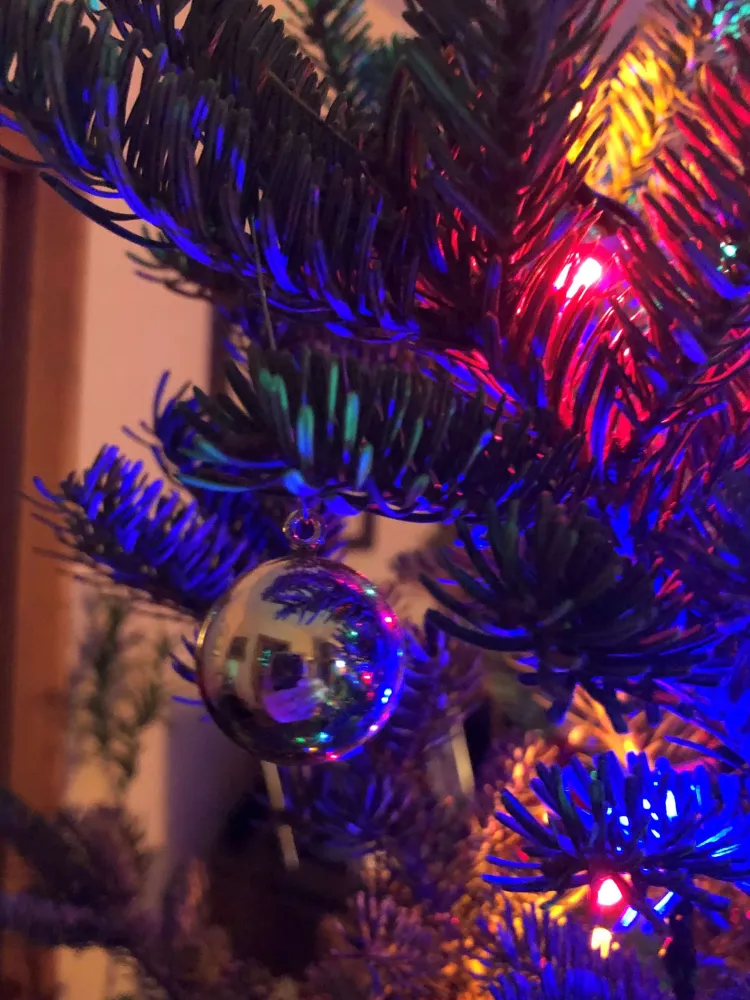
Before the time comes to go Christmas tree shopping, it’s a good idea to measure the space your tree will occupy. Keep in mind that the tree will look smaller outdoors than it will indoors. Once home, place it away from heat sources. Be sure it has a constant supply of water to help prevent it from drying out and needle drop. A cut tree requires daily attention and has a voracious thirst. It may consume more than a gallon of water each day.
Selecting a potted tree could allow you enjoy it during the holidays this year and for many years to come. Be warned, the root ball and container will add significantly to the weight of the tree, so smaller may be better. If you do opt for a living tree, be sure to follow the care instructions, including post-holiday needs and planting outdoors.
When the holiday is over and decorations have been stored away, what do you do with a natural Christmas tree? Please don’t burn it in a fireplace as sap can create a rapid burning fire and a buildup of creosote, leading to a chimney fire. Instead, remove all lights, tinsel, and anything that isn’t part of the tree. Compost the tree at home or check with your town regarding scheduled tree pickups. You might check with local farmers about donating your tree as a treat for their goats or sheep. For more information and creative ways to recycle your tree, see https://www.uvm.edu/extension/news/recycle-your-christmas-tree.