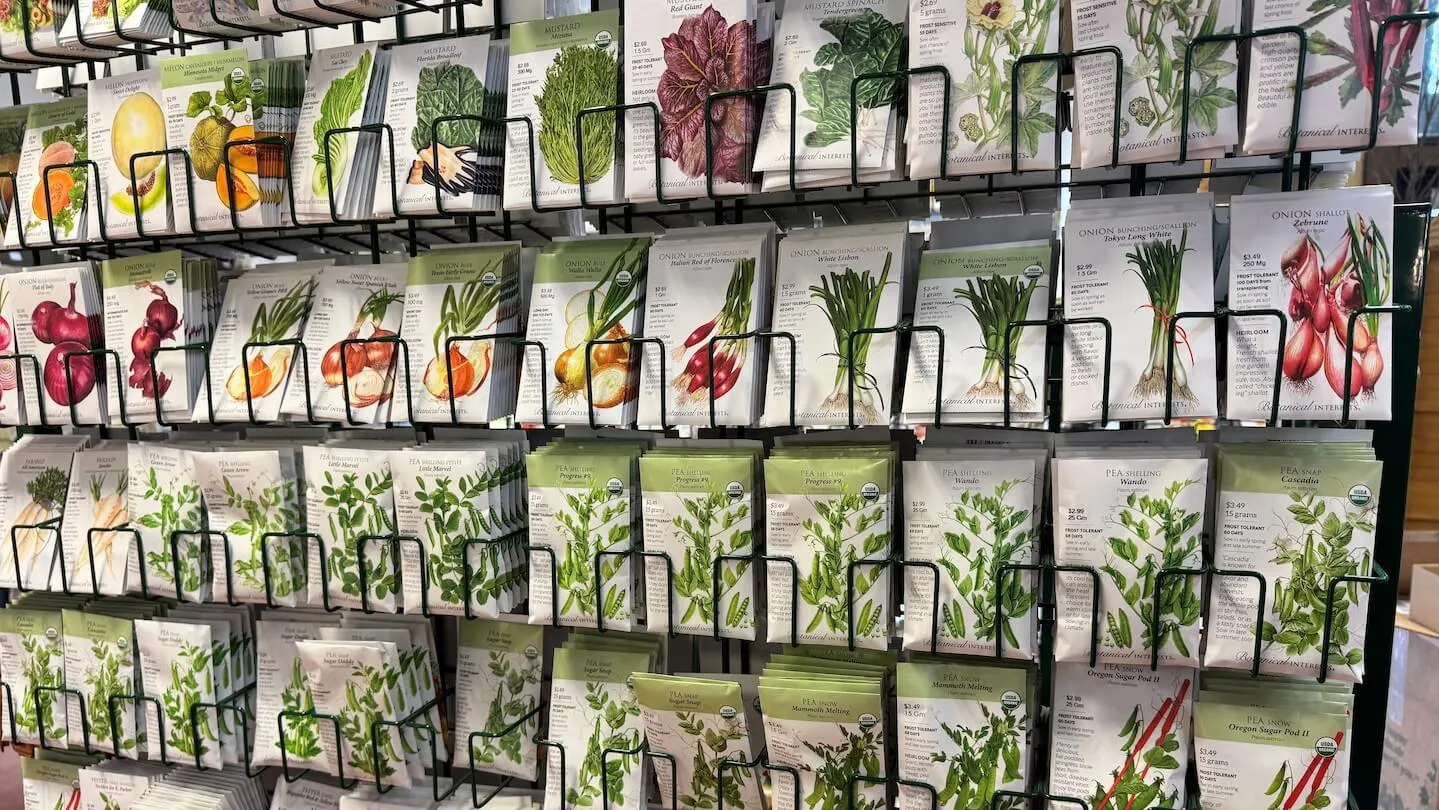
If you’re a gardener — or want to be one — you likely already have a collection of seed packets from previous years. Before you purchase new seeds, take the time to go through your collection and determine which are likely still usable and which you’ll want to replace.
Seeds contain everything needed to produce a new plant. As they age, their viability — how likely a seed is to germinate — lessens. How old is too old depends on the type of seed and the conditions under which they’ve been stored.
Check your seed packets for a “packed for” date. That’s the year the seeds were intended to be planted. Seeds purchased this year will be dated for 2026, but that doesn’t mean any leftover seeds at the end of the season should be disposed of. Most seeds are viable for an additional year or two, some more, depending on the type of seed. For example, tomato and kale seeds are usually viable for four years, while corn and peppers only two, though that can vary. The older a seed is, the lower the germination rate (i.e., the percentage that will successfully sprout).
Just as important, perhaps more so, is how seeds are stored. The best way to store seeds is in a cool, dark, and dry location. A sealed glass jar or metal storage container will keep out moisture and help keep seeds safe from mice and other hungry rodents. Temperatures around 40 degrees Fahrenheit are optimal for storage. If you choose to store seeds in the refrigerator, be sure to keep them in an airtight container to avoid humidity.
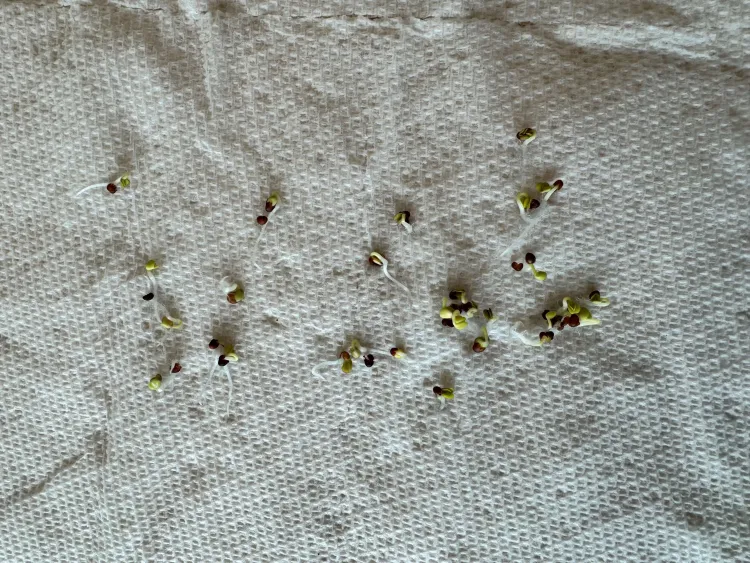
Testing the viability of seeds is easy to do. You’ll need around 10 seeds, a half sheet of paper towel, and a sealable plastic bag. Wet the paper towel thoroughly, then ring out excess moisture. Lay it on a flat surface. Place the seeds in a line about an inch away from the long edge of the paper towel. Fold the paper towel over the seeds, and fold it over again to enclose the seeds. Place the folded paper towel in the plastic bag and seal it. Make a note on the bag of the date the test began, the type of seed, and the expected date for germination. The anticipated number of days to germination can be found on the seed packet. Add that number to the start date to get the expected germination date.
Place the plastic bag in a warm place (such as the top of the refrigerator). Check the bag every few days to be sure the paper towel hasn’t dried out. On or after the expected germination date, carefully open the folded paper towel to check how many seeds have germinated. If less than half, consider purchasing new seed.
If you’re ready to plant, seeds that have germinated can be transferred to a seed starting tray. There’s no need to remove the paper if the sprouted seed is attached to it. Just carefully cut around the seed and gently plant the paper with the sprouted seed. See https://go.uvm.edu/seedstartingbasics for more information on starting seeds.
Winter is an opportune time to sort through old seeds and order new varieties for the coming growing season. It’ll be here before you know it.
The University of Vermont Extension Master Gardener Helpline is available online at https://go.uvm.edu/gardenhelpline to answer your home gardening questions.