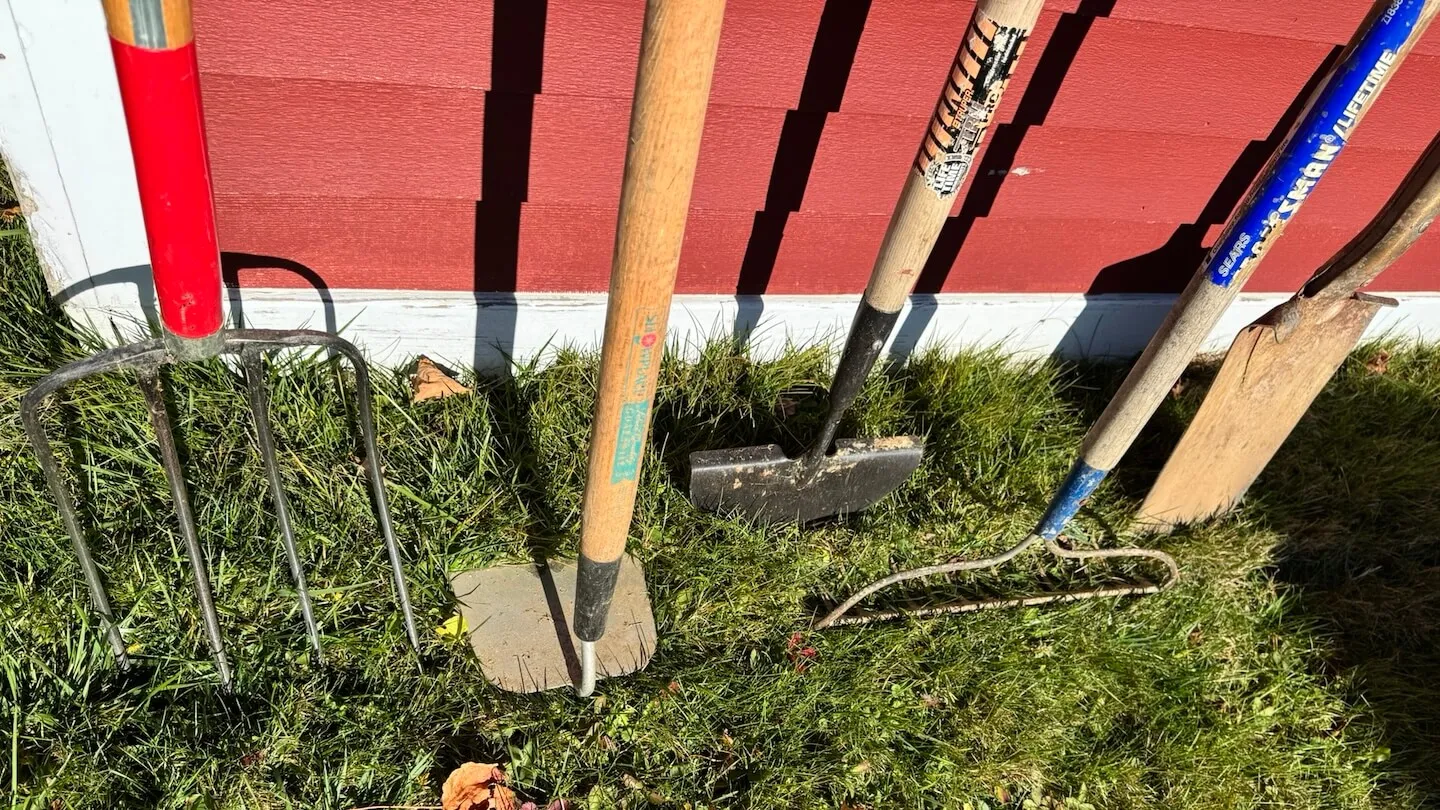
The first step is sanitation. Clear the ground of all fallen fruit; these can be composted. To reduce overwintering insect and disease pests, it is also a good idea to rake and remove leaves. Leaves can be composted, too. If the job seems too daunting, mow the leaves to encourage them to decompose more quickly back into the soil.
Mow or remove any tall grass or weeds around the tree trunks. If you use a string trimmer to do the job, be very careful to avoid nicking the trunks. This task will help deter voles, rabbits and other rodents from feeding on tree bark. Keeping the ground groomed at a distance of up to 2 feet from the trunk will remove the preferred cover for these critters. Removing brush piles and other areas mice and rabbits like to hide may also reduce their nesting places.
To further prevent rodents from chewing on your trees, consider installing physical barriers around tree trunks. Tree wraps and guards can be purchased commercially and can also be made at home.
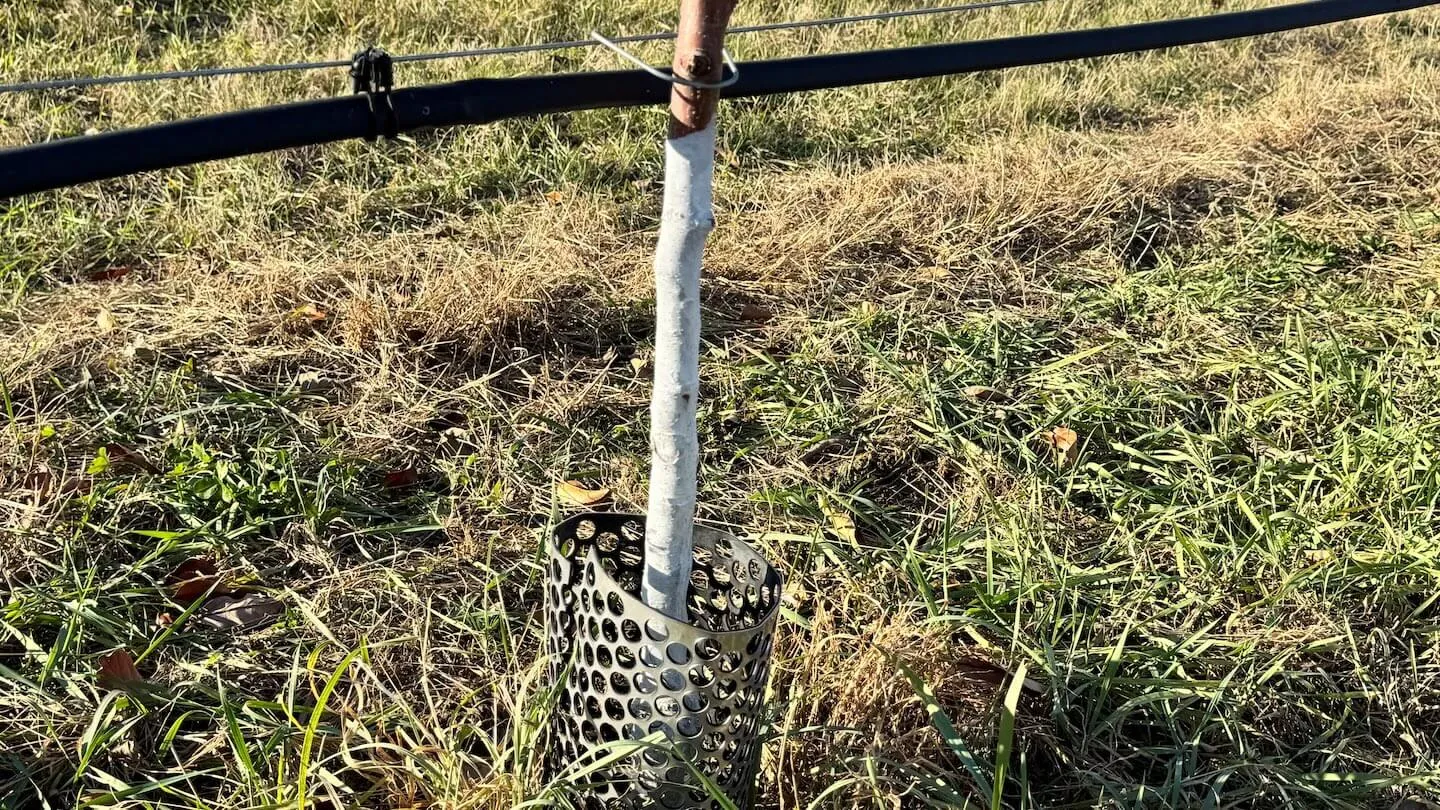
Construct your own tree guards from ¼-inch hardware cloth. They should be about 24 inches long; bury the guards into the soil at a depth of 2 to 4 inches to protect your trees from voles. They should extend beyond the snow line, typically up to the lowest branches, to keep the trunk out of reach by rabbits. The guard’s width depends on the diameter of the tree. They should be placed so that they are not touching the bark, at least 6 inches away. The mesh can be affixed with zip ties or wire. Note that tree wraps should be removed in the spring, but homemade guards can stay in place year-round.
For deer control, fencing is the most effective strategy to prevent them from browsing the buds on branches. Repellents like human hair or bars of soap hung from branches may provide temporary control, but need to be repeatedly replaced over the winter.
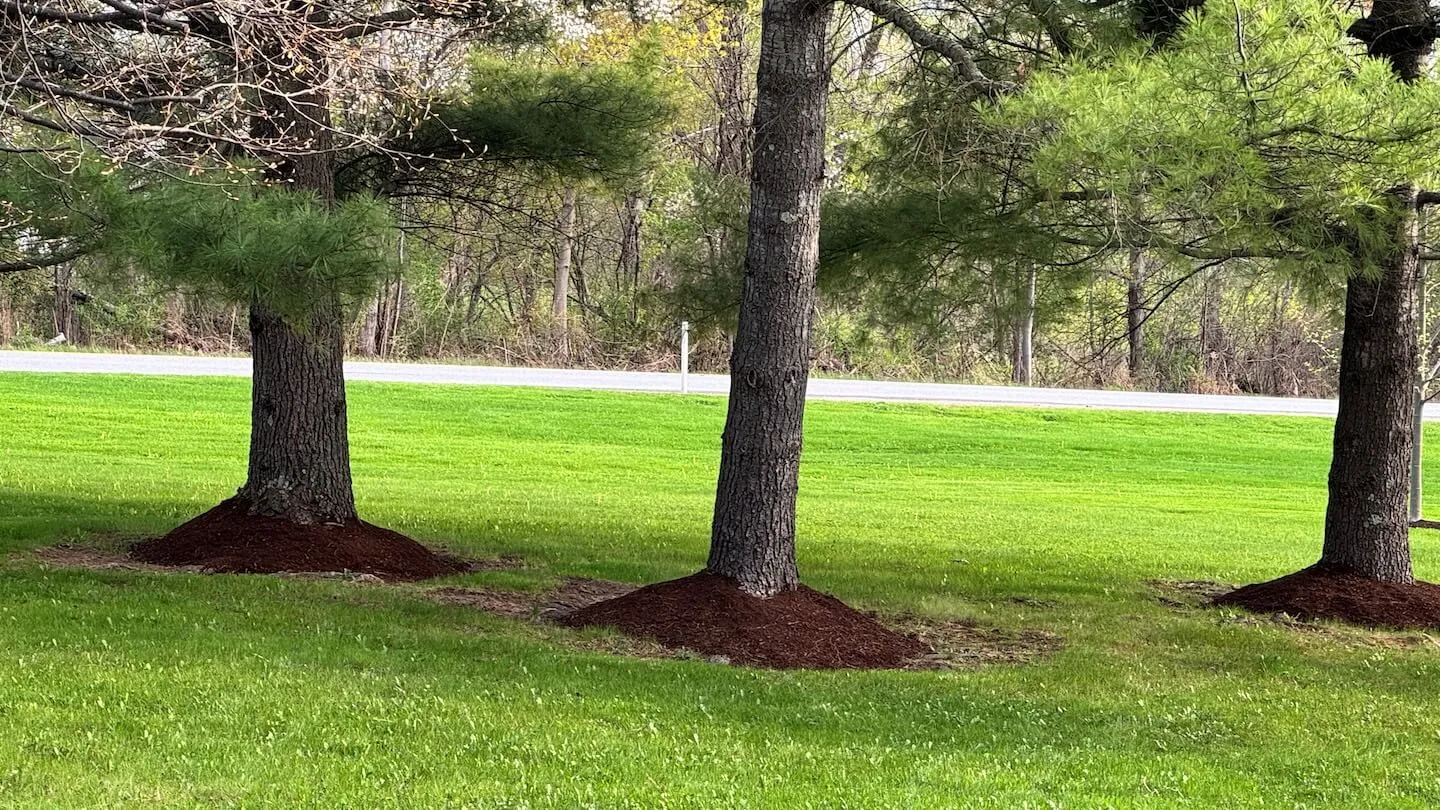
Finally, you can protect your trees from winter injury through a few easy steps. First, you can help protect the roots from prolonged freezing temperatures by applying a two-inch layer of wood chip mulch in a donut shape around the drip line. Make sure to avoid placing mulch against the tree’s bark.
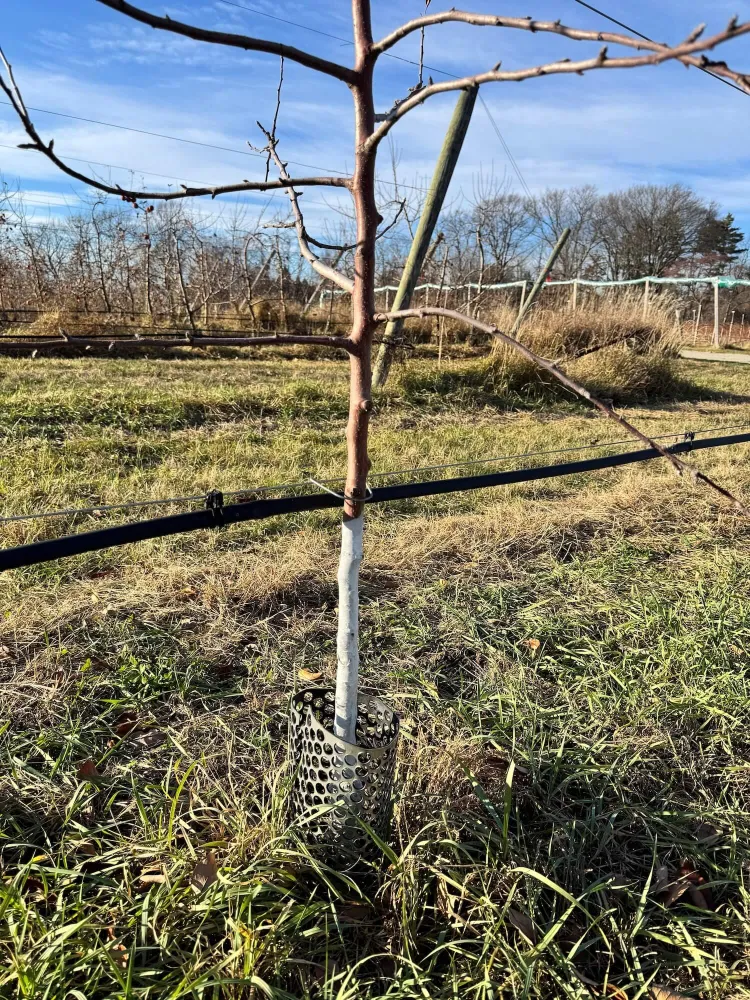
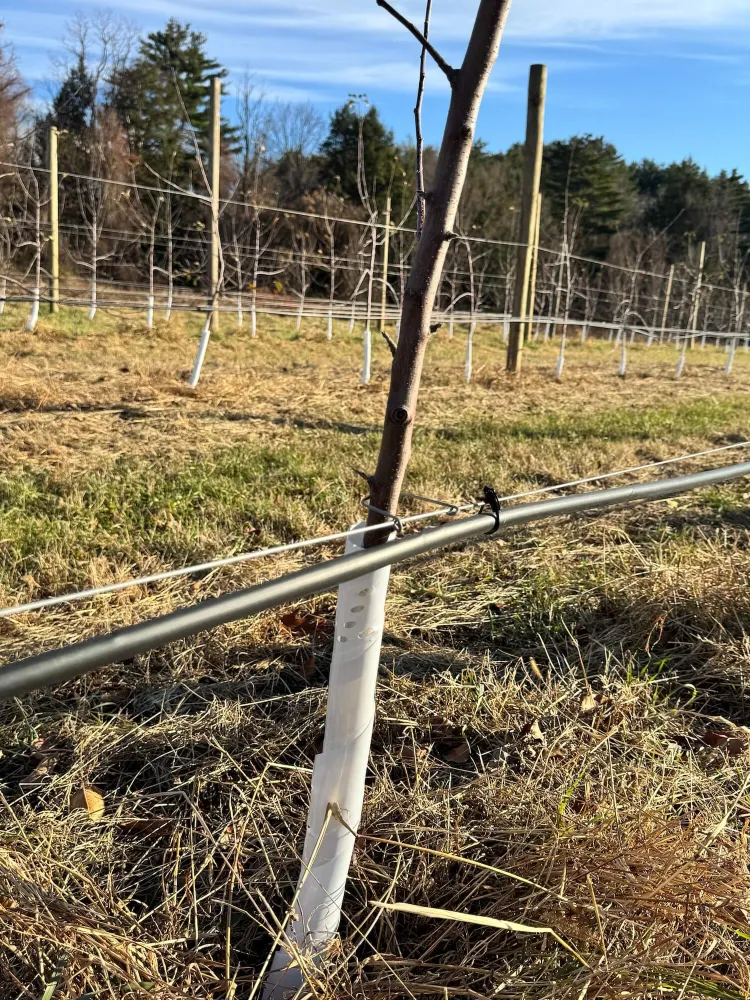
Frost cracks are common in apple trees because of their thin, dark colored bark, especially among younger trees. Vertical splits can occur on the south or southwest side of trees caused by sudden expansion and contraction due to temperature changes during sunny winter days. Also called sun scald, frost cracks can be prevented with tree wraps. For an inexpensive solution, paint white interior latex paint, diluted with equal parts of water, to the south and southwest sides of trees. The light color will reflect the sunlight, reducing the chance of the bark cracking.
With a few easy and inexpensive practices, you can protect your home orchards from winter woes.
For questions about your home orchard, garden or indoor plants, contact the UVM Extension Master Gardener Helpline online (https://go.uvm.edu/gardenhelpline).
The UVM Extension Master Gardener program provides science-based gardening education to Vermonters. The program is made possible through the support of dedicated volunteers, state and federal funding, and generous donations. Want to get involved? Learn more on the UVM Extension Master Gardener website.