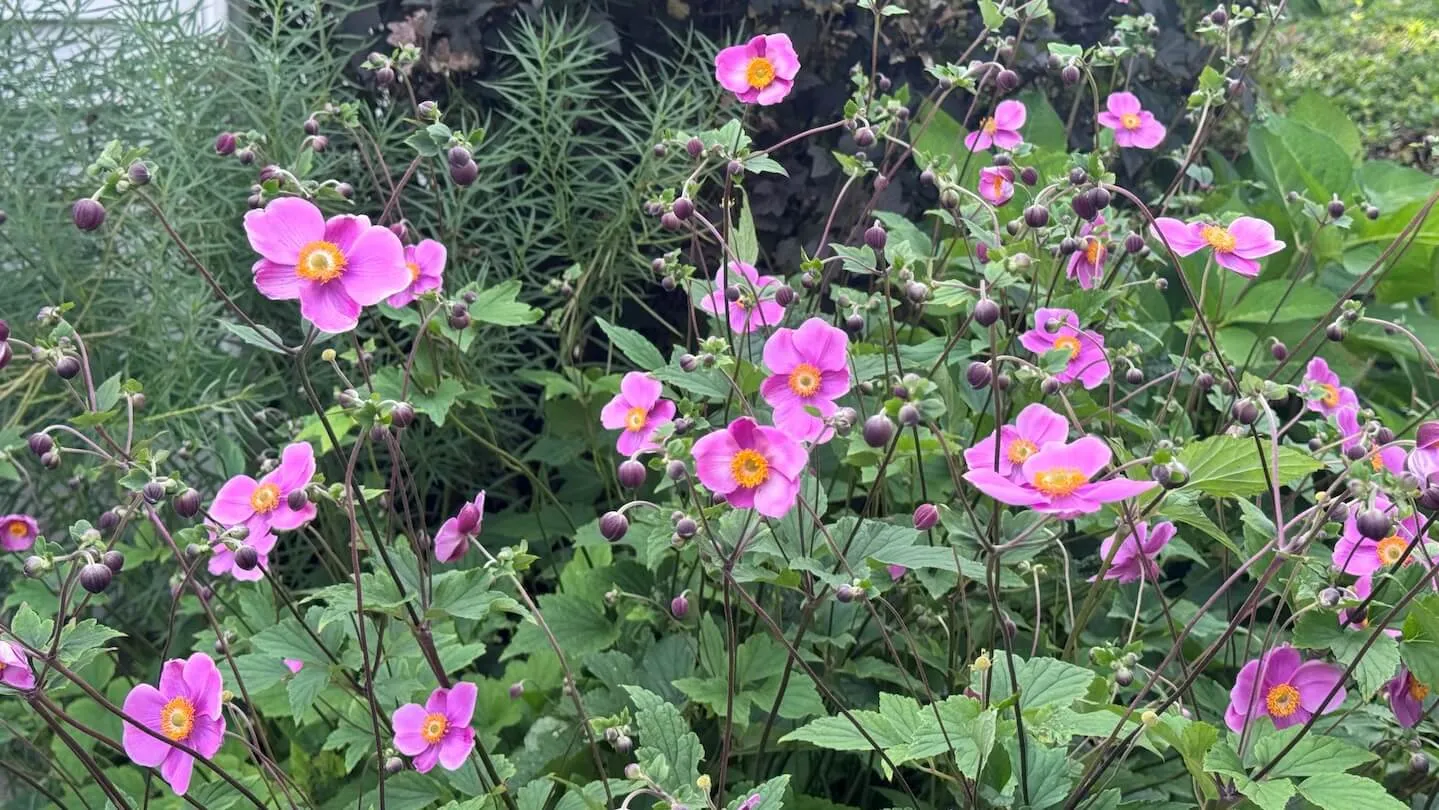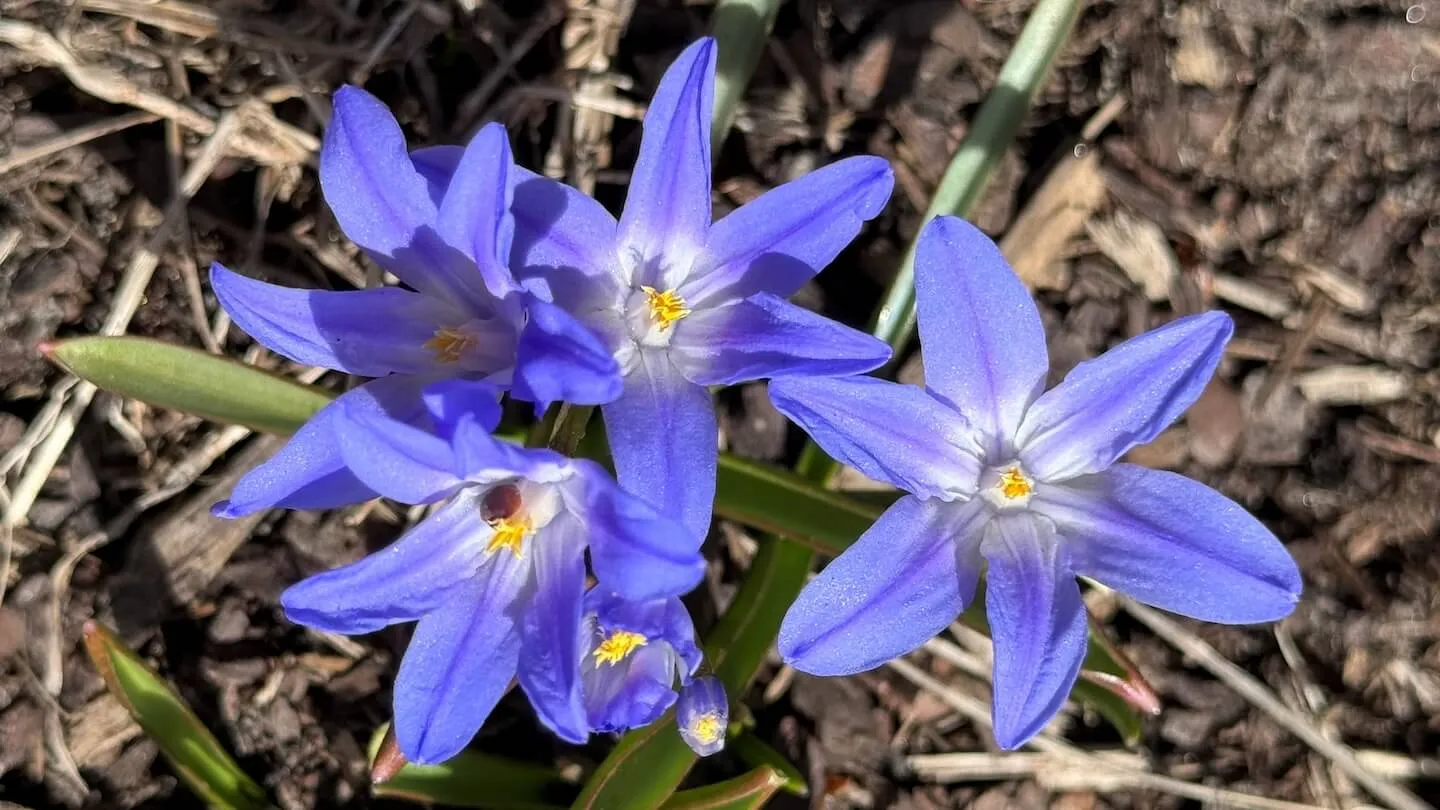
There’s no better way to do that than to plant spring blooming bulbs. They’re available locally in garden centers, department stores, and even supermarkets. Choose classics like daffodils (Narcissus) or consider something more unusual like checkered lilies (Fritillaria). Whatever you decide, get them in the ground before it freezes, late November to mid- or late- December.
If you have any perennials still in their nursery pots, plant them as soon as possible. While nighttime temperatures have dipped below freezing, the ground hasn’t frozen—yet. Ideally, plant perennials six weeks before the ground freezes. Continue to water fall-planted perennials until then.
Don’t forget to mulch newly planted bulbs and perennials to help mitigate soil temperature swings during freeze and thaw cycles that can heave bulbs and roots out of the ground.
If your garden includes tender bulbs or tubers like dahlias (Dahlia), they’re unlikely to survive winter in the garden. They’ll need to be dug up and stored indoors until spring (go.uvm.edu/dahlia-storage).
Take down spent hanging baskets and other potted annuals. Empty and add them to the compost pile. Clean and store pots so they’ll be ready when spring arrives.
Fallen leaves can be added to your compost file. Alternatively, consider raking leaves into garden beds as mulch for the winter to insulate the ground. You can feed your lawn by shredding leaves with a lawnmower and leaving them in place. As they decompose, they’ll feed the soil.
Avoid using black walnut (Juglans nigra) leaves for mulch. They contain juglone, a substance that inhibits the growth of other plants and is found in black walnut leaves, roots, stems, and other parts of the tree.
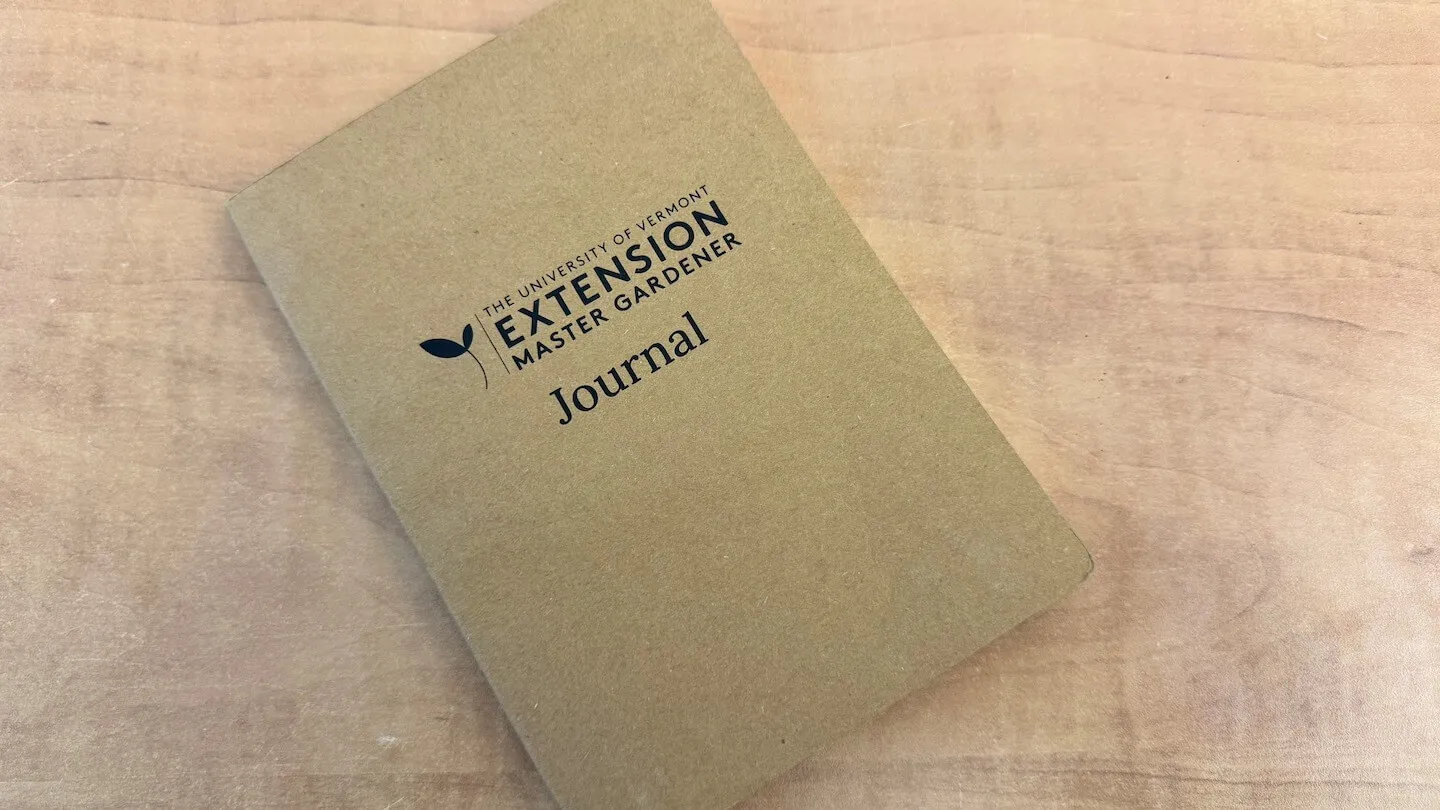
As falling leaves reveal the structure of deciduous trees and shrubs, check for damaged branches. Prune to remove damage, but resist the urge to prune for size or shape. Doing so now can remove next year’s flowers from spring bloomers or may encourage new growth that will succumb to freezing temperatures. Make note of what you want to prune later in your garden journal.
Bring garden decor under cover to save it from winter wear and tear (and possible relocation in blustery weather). Inspect fences, arbors, trellises, and other structural supports that spend winter in the garden. Note what may need to be repaired or replaced.
Winterize in-ground watering systems and detach from outdoor faucets. Disconnect, drain, and inspect hoses. Coil loosely and store them in a garage or shed.
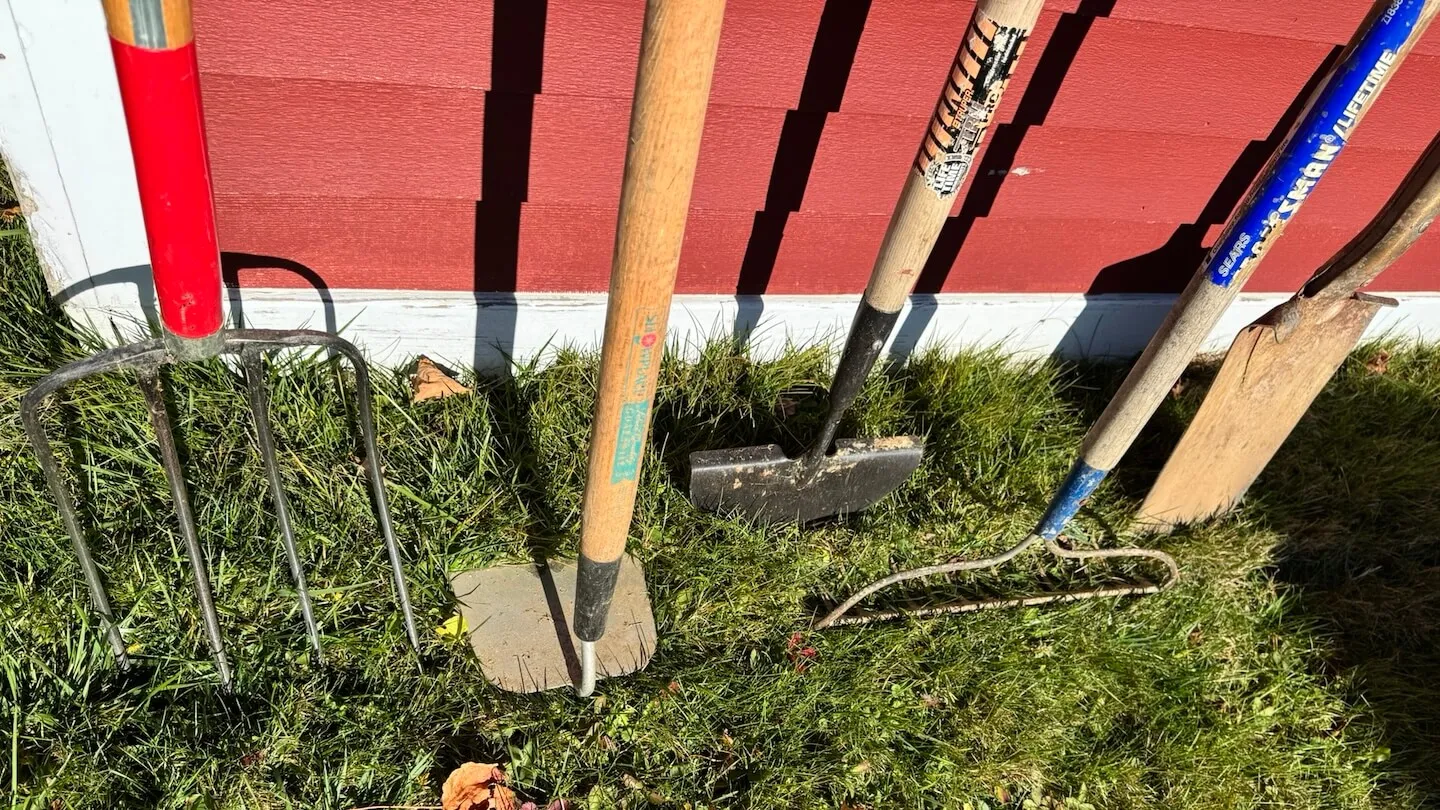
When you’re finished with garden chores for the season, gather tools and store them away until they’re needed again. If you don’t already have a dedicated storage space that will accommodate all your garden tools, do your best to find one. Having everything in one place will make it much easier in the spring to locate what you need.
Garden tool storage (go.uvm.edu/garden-tool-storage) starts by giving each tool a good cleaning. Brush or scrape off dried-on soil with a stiff brush. Take note of any damage and plan to repair or replace before you need to use it in the spring.
Finally, take a look around the garden and jot down notes in your garden journal about what has done well and what you’d like to change in 2027. After all, every day brings us closer to spring.
The UVM Extension Master Gardener program provides science-based gardening education to Vermonters. The program is made possible through the support of dedicated volunteers, state and federal funding, and generous donations. Want to get involved? Learn more on the UVM Extension Master Gardener website.