Maine Climate and Ag Network
This is a collection of tools, resources, publications, etc that help farmers in Maine adapt to the effects of climate change.

Filter by subtopic. Click here to search all resources with more filters (e.g. production type, state, issue).
This is a collection of tools, resources, publications, etc that help farmers in Maine adapt to the effects of climate change.
This book explains is one of the best resources to help growers learn how to use cover crops reduce erosion, improve soil health, suppress weeds, manage nutrients, and increase farm profitability over time.
A fact sheet on the why and how of rotational stocking, including benefits to the herd, risks of rotation, management methods and tips, and additional resources.
The Pest Report is a weekly or biweekly report summarizing current and emerging pests, their biology, crop impacts, and recommended management strategies. Short discussions include pests and diseases that are present and recommended solutions.
Illustrated design guidelines for multifunctional buffers are synthesized and developed from a review of 1,900+ research publications. These guidelines are presented as easy-to-understand rules of thumb for facilitating the planning and designing of multifunctional buffers.
Serves as a gateway to invasive species information from federal, state, local, and international sources.
The New England Vegetable Management Guide contains a wealth of information about vegetable production including general cultural practices and crop specific recommendations. Updated with new varieties and chemical label information every two years.
Weather and science driven integrated pest management. A site that links data from weather stations across the Northeast. Includes forecasts by crop or by pest. Especially useful for orchards, but there are vegetable pest models as well.
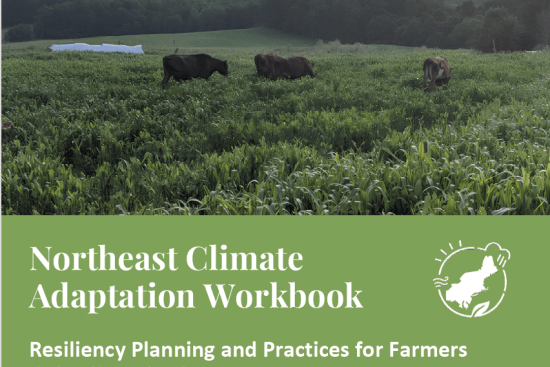
A practical guide for farmers in the Northeast to prepare for a changing climate by developing an Adaptation Plan for their Farm. The workbook introduces the observed and expected changes affecting agriculture, as well as adaptation strategies to consider, and worksheets.
NTT is a web-based tool to estimate nutrient and sediment losses under different management scenarios at field or watershed scales. Users define and compare scenarios for a given area of interest to estimate NPK losses, erosion, and crop yields.
OSHA’s hub for heat safety resources for farmers and workers, including information about employer responsibilities and recommended training materials as well as heat safety resources from multiple federal agencies.
The Heat Safety Tool helps managers plan outdoor work activities based on how hot it feels throughout the day. With a real-time heat index and hourly forecasts specific to your location, it provides occupational safety and health recommendations.
A UNH study comparing field-grown and greenhouse pepper varieties to help farmers adapt to increasing weather variability.
An article on a small-farm's approach to no-till practices, including tarping, mulching paths and beds, intercropping, use of plastic mulch and weed mats, flail mowing, and more.
Though heat exposure occurs across industries, farmworkers are more likely to die from heat-related stress. This resource examines state heat illness prevention rules that attempt to address the conditions that put farmworkers at risk.
A technical bulletin outlining systems-based on-farm water management to meet crop irrigation and drainage needs.
This publication explains how increased soil health and organic matter content help retain moisture to aid during droughty periods. It also discusses soil health management strategies to improve organic matter content.
The ReadyAG workbook is designed to help farm and ranch owners be better prepared to deal with disasters and catastrophic events that can occur on their farm or ranch.
Webinar on Reduced Tillage Systems for Organic Vegetables including cover crop management and equipement strategies.
This workshop covers regenerative systems used at Freedom Food Farm: no-till crops, livestock integration, rotational grazing, biodiversity, soil preservation, input reduction, and more! From the 2020 NOFA Summer Conference
A comprehensive resource on infrastructure considerations when building new or remodeling replacement/heifer housing.
Regional and state-specific resources for climate adaptation and mitigation, from funding resources to production, infrastructure, nutrient management, efficiency, alternative energy, and much more.
Drought management and planning for Maine growers.
A webinar on best practices where grazing systems and waterways interact on the farm.