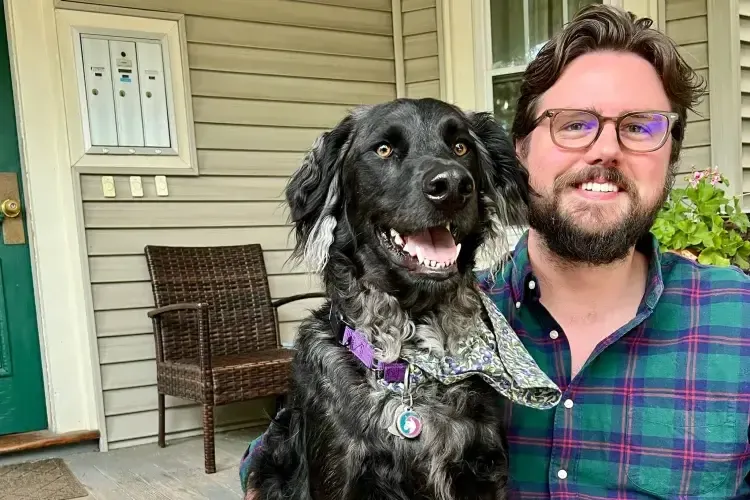
“At UVM, I learned how to read, understand, and summarize complex theories into succinct and compelling arguments tailored to a specific target audience.”
Lives in: Boston, MA
Major: Philosophy
What work looks like: “I investigate and prosecute white-collar crime, all the way from opening an investigation to presenting the case at trial. My cases focus on fraud and the unlawful distribution of controlled substances by doctors, medical device and pharmaceutical companies, hospitals, and other medical providers.”
What he loves about it: “My job is intellectually and personally rewarding. It provides a practical engagement and application of the kinds of ethical debates that I loved having in college, topics such as intentionality, accountability, and the consequences of one’s actions.”
What he gained from a liberal arts education: “At UVM, I learned how to read, understand, and summarize complex theories into succinct and compelling arguments tailored to a specific target audience. The argument might take the form of a written legal brief, an oral argument before a judge, or an opening or closing argument in front of a jury. The key is that I didn’t simply learn the theories of certain philosophers or the specific schools of thought throughout time, but instead learned a specific way of thinking and processing information. This has informed all my work, from working as an advocate at a nonprofit, to pursuing graduate school, to working for federal judges, to practicing law. I also learned to distill an argument down to its basic structure, which is immensely helpful when reading legal opinions or an opposing party’s rationale. I cannot overstate how much I value the liberal arts education I received in the philosophy department at UVM.”