College of Arts and Sciences

You might be wondering, “What can I do with a B.A. or B.S. in anthropology?” The easy answer is, “Anything!” but that can be overwhelming. The truth is, while few students who major in anthropology go onto careers with “anthropology” in the title, all our majors use their anthropological thinking and research skills in the jobs and careers they choose.

Think of it this way: An anthropology degree is like having a large Swiss Army knife in your pocket, providing you with a range of useful tools that come in handy anytime and anywhere. These include cross-cultural understanding, an open mind, rigorous critical thinking skills, cultural adaptability and empathy, knowing how to ask good questions, effective communication, skills in research and methods, the ability to work with precise details and broader patterns, an understanding of human structures and how power and privilege are exercised within them, and (often) foreign language skills.

A major in anthropology, where you examine human biological, cultural, and linguistic diversity, prepares you to contribute to today’s complex world through many different avenues. There has arguably never been a greater need for graduates with the observational and cross-cultural communication skills that anthropology teaches and develops. Many of our department alumni have identified these skills and the global perspective anthropology offers them as invaluable, both personally and professionally.  
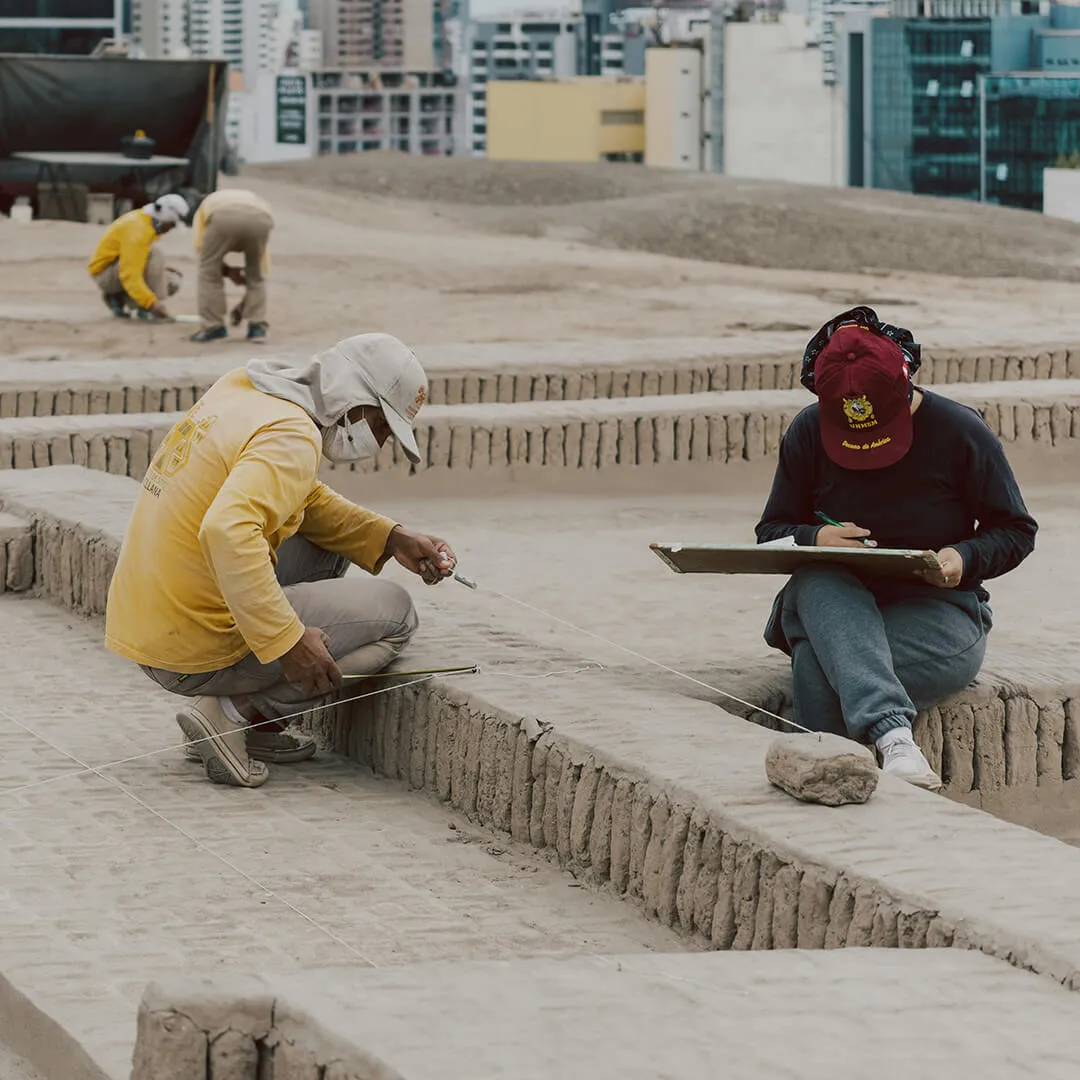
Past UVM anthropology majors have gone on to work in careers such as:  

  • Cultural heritage management officer 

  • Consulting archaeologist  

  • Museum curator 

  • Medical examiner/forensic scientist 

  • Youth mental health counselor 

  • Physician 

  • Social worker 

  • Marketing consultant 

  • Teacher 

  • School administrator 

  • Scientific researcher 

  • Clinical psychologist  

  • Lawyer / paralegal 

  • Legal aid advocate 

  • Journalist 

  • Environmental conservation advocate 

  • Documentary filmmaker 

  • Farmer 

  • Restauranteur / chef 

  • Social media strategist 

UVM Anthropology Majors Learn the Top Skills Employers Want

Critical Thinking and Problem Solving

Body

At all levels, our curriculum centers on core anthropological concepts such as holism (systemic thinking), critical relativism (avoidance of value judgments when developing a critical understanding of cultural systems and diversity), cross-cultural perspective (observing and understanding human action in cultural context), a reflexive approach (challenging assumptions through critical evaluation of new information), and the application of anthropological thinking and research to address complex social problems.

Teamwork and Collaboration

Body

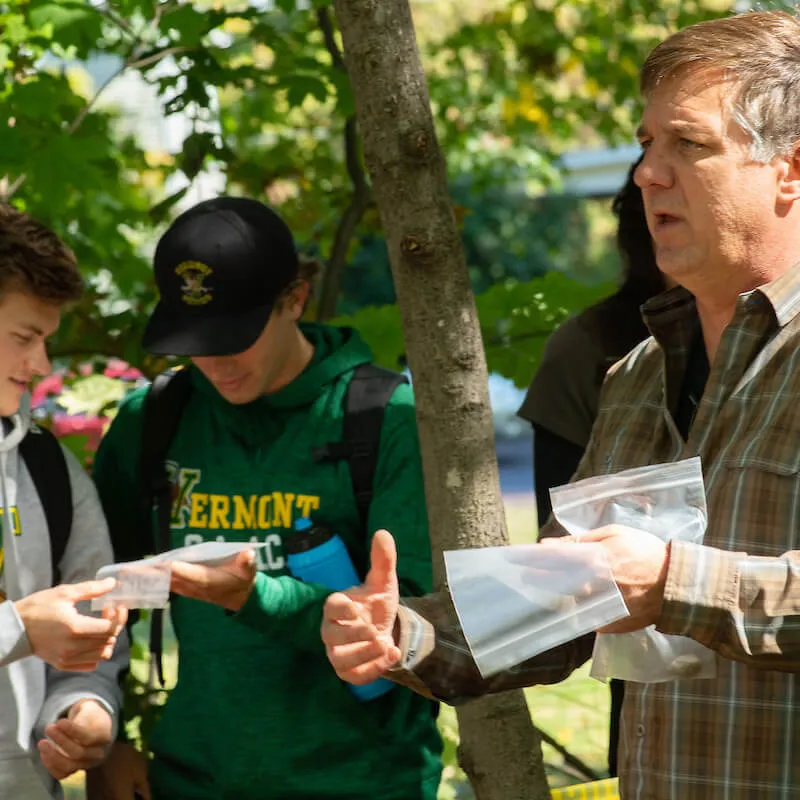
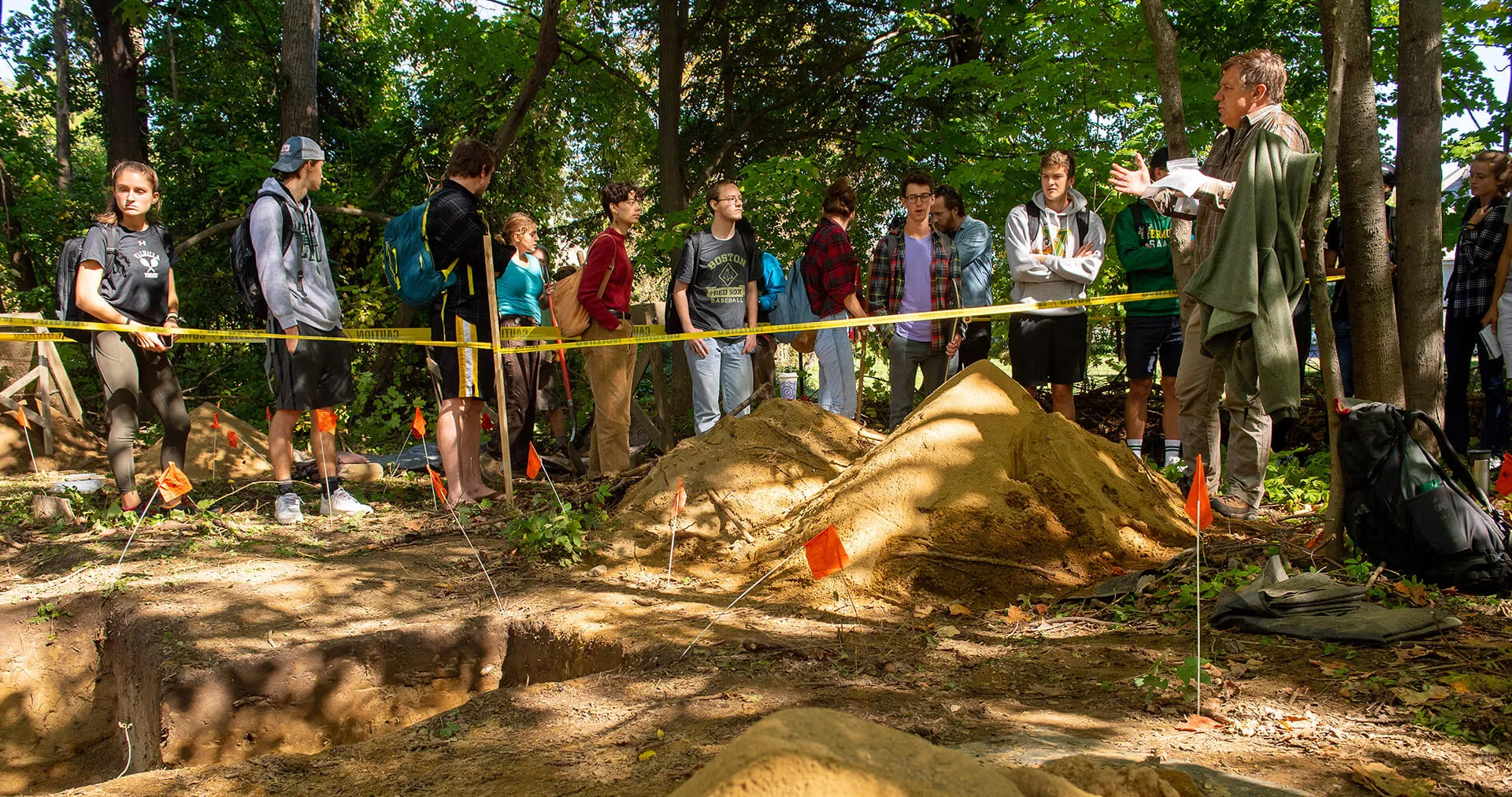
Many of our courses involve project-based, collaborative research assignments. We regularly teach lab courses and field schools in forensics, human osteology, archaeology, and ethnographic research. In addition, we conduct collaborative research projects in our digital anthropology lab.

Written and Oral Communication Skills

Body

At all levels of the curriculum, our courses have a strong focus on writing and an emphasis on translating anthropological insight into widely accessible language. In our digital anthropology classes, we also emphasize critical literacy in information, data, and digital. Many of our students have second or third languages and participate in study abroad.

Professionalism and a Strong Work Ethic

Body

We have a required senior proseminar on professionalization. In addition, many students do internships with such organizations as the Fleming Museum, Vermont Public Radio, and Communities of Practice community partners.

Initiative

Body

We have an active, student-led Anthropology Club, and students provide ideas and help us plan departmental initiatives for our biannual Anthropology Town Meeting. Additionally, many of our students undertake independent research, senior honors theses, and/or grant-funded undergraduate research.

Alumni Spotlights: How the Liberal Arts Shaped Their Careers
Caleb Litster ’24

Body
Smiling person wearing a green University of Vermont shirt and tan cap.

Lives in: Twain Harte, CA 

Majors: Anthropology, French 

Why anthropology? “I chose my majors as I have a love for culture past and present. My particular archaeological interests seemed to change every day. Ultimately, what led me to stick with anthropology was learning about stone tools and the differences and similarities between lithic procurement, tool creation, and tool use across the globe.”  

Current position: Archaeological Technician with the Great Basin Institute, working in Stanislaus National Forest 

What his day looks like: “My job entails managing archaeological sites within the National Forest in advance of logging and wildfire. Before logging occurs, we must document all changes or disturbances affecting features and artifacts and flag the site boundary so loggers know not to enter an archaeologically sensitive area. To protect from wildfire, we assess fuel loading and fire-sensitive features or artifacts within sites and determine the best protection measures to be implemented.” 

What he loves about it: “The thing I love most about my job is being able to work outside every day and explore new parts of the national forest I wouldn't see otherwise.” 

What he gained from a liberal arts education: “I think the most important skill I gained is the ability to formulate my own thoughts and opinions via critical thinking. One of the most important parts of my job is generating hypotheses about archaeological sites. My ability to assess an anthropological site, collect all the necessary data, and then produce a comprehensive and confident theory about the site would not be nearly as strong if I hadn’t taken part in anthropology discussion seminars at UVM. 

“One can understand global concepts past and present to a fuller extent when given the opportunity of a well-rounded, expansive liberal arts education. As humans, we have the privilege to learn about other cultures, histories, philosophies, and ways of viewing the world. The greatest strength of a liberal arts education is that it allows us to learn about all these concepts and gain a more global outlook on the world, both physically and metaphysically.” 

Georgia Nelson ’20

Body
Smiling person sitting on a stone wall in front of a green mountain landscape.

Lives in: Washington, D. C. 

Majors: Anthropology, Spanish Language and Culture 

Why anthropology? “What first attracted me to anthropology was its fundamental goal: understanding people and cultures. I was fascinated by the breadth of the field and the opportunity to explore its four subfields: archaeology, linguistic anthropology, cultural anthropology, and biological anthropology. The diversity of perspectives within the discipline assured me that I would discover subjects that challenged and inspired me.” 

Current position: Archival Program Assistant for Hunt Alternatives 

What her day looks like: “This position focuses on chronicling the diplomatic and philanthropic work of Ambassador (ret.) Swanee Hunt. I review physical documents, including correspondence, State Department cables, and program development notes, that will be included in a collection at the Georgetown Institute for Women, Peace, and Security.” 

What she loves about it: “I am continually amazed by the remarkable pieces of history I encounter while sorting through archival materials. Recently, I came across a letter from former Supreme Court Justice Ruth Bader Ginsburg, a copy of the United States’ first National Action Plan on Women, Peace, and Security, and correspondence among government representatives regarding the Dayton Peace Accords. These discoveries serve as powerful reminders that history is often closer than we realize. They also highlight the immense effort behind meaningful change. Bringing a vision to life requires the dedication, collaboration, and perseverance of many people over countless hours, and often many years.” 

What she gained from a liberal arts education: “My liberal arts education strengthened essential skills such as critical analysis, research, and writing. I credit anthropology and the Department of Anthropology’s holistic approach with challenging me to become a more thoughtful and objective observer of the world. One lesson that has stayed with me came from Professor Emily Manetta, who often reminded us that what may seem "weird" to one person can be entirely normal to another. Approaching the world with curiosity, humility, and an open mind is a learned skill, and it is one that requires continual practice. Anthropology taught me not only to ask questions, but to do so with genuine interest and a willingness to challenge my own assumptions.

“Education has always been deeply important to me. What I appreciate most about a liberal arts education is its ability to expand horizons. It introduced me to fields of study I might never have explored, connected me with people I otherwise would not have met, and exposed me to the countless ways people have lived, thought, and experienced the world. Those opportunities have shaped how I learn, how I engage with others, and how I approach new ideas with curiosity and openness.” 

Merisah Trisciuzzi ’20

Body
Smiling person standing in a lush garden with flowering plants and trees.

Lives in: Essex Junction, VT 

Majors: Anthropology, biological sciences 

Why anthropology? “I really enjoyed anthropology and how flexible it can be. I knew that I could apply it to almost any profession, and so far I have not been proven incorrect in that!” 

Current position: Part-time Forensic Autopsy Technician in the VT Office of the Chief Medical Examiner, full-time medical student (4th year) at UVM Larner College of Medicine 

What her day looks like: “As a Forensic Autopsy Technician, I am responsible for assisting in autopsy procedures, including the acquisition of various samples for toxicological and laboratory purposes, performing eviscerations (the removal of organs for examination), forensic photography, and evidence collection. I also work with funeral homes for receipt and release of remains and generally manage the autopsy suite. As a medical student, it’s mostly a lot of studying and applying for residency. I plan to pursue forensic pathology as a specialty, so I am doing rotations this year in the pathology department, including autopsy.” 

What she loves about it: “Working with people. There is a lot of teamwork and collaboration happening between pathologists, clinicians, lab techs, technology companies responsible for lab equipment, and hospital leadership. Every day is different, and you get to meet some pretty cool people and learn things that you never even would have thought that you would need to know.” 

What she gained from a liberal arts education: “The ability to adapt and be flexible, honestly, and to be able to answer a question with a long-form response rather than multiple choice and to consider nuance. Earning my anthropology degree gave me the ability to interview a person in a non-judgmental and empathetic way—which I’ve since learned is not something that is usually taught in STEM classes. 

“A common saying in medical school is that "bedside manner can't be taught," but I think that’s wrong. Bedside manner is taught in the humanities. It's taught in how we interact with people in anthropology and psychology and philosophy. Bedside manner is being human, being aware of the fact that you are human, and being aware of the fact that the person in front of you is human and treating them as such. Having a liberal arts education gave me the ability to do this confidently, competently, and without having to think too hard about it because it was already second nature.” 

Where UVM Anthropology Majors Go to Grad School 

  • Boston University 

  • College of William and Mary  

  • Columbia University  

  • Dartmouth College 

  • London School of Economics  

  • Northeastern University 

  • Princeton University  

  • Simmons College  

  • Syracuse University  

  • Tufts University  

  • University of Chicago 

  • University of Maine at Orono  

  • University of Massachusetts at Amherst  

  • University of New Hampshire  

  • Yale University  

Some Notable Companies that Hire UVM Anthropology Graduates
Logo of State of Vermont Agency of Transportation (VTrans)
State of Vermont Agency of Transportation (VTrans)
Logo of State of Vermont Division for Historic Preservation
State of Vermont Division for Historic Preservation
Logo of Shelburne Museum
Shelburne Museum
Logo of Lake Champlain Maritime Museum
Lake Champlain Maritime Museum
Logo of Moderna
Moderna
Logo of National Park Service's
National Park Service
Logo of Sotheby’s
Sotheby’s
Logo of U.S. Army Corps of Engineers
U.S. Army Corps of Engineers
Logo of AirBnb
AirBnb

Ready to Turn Interest Into Action?

Inquire for details or begin your application today.