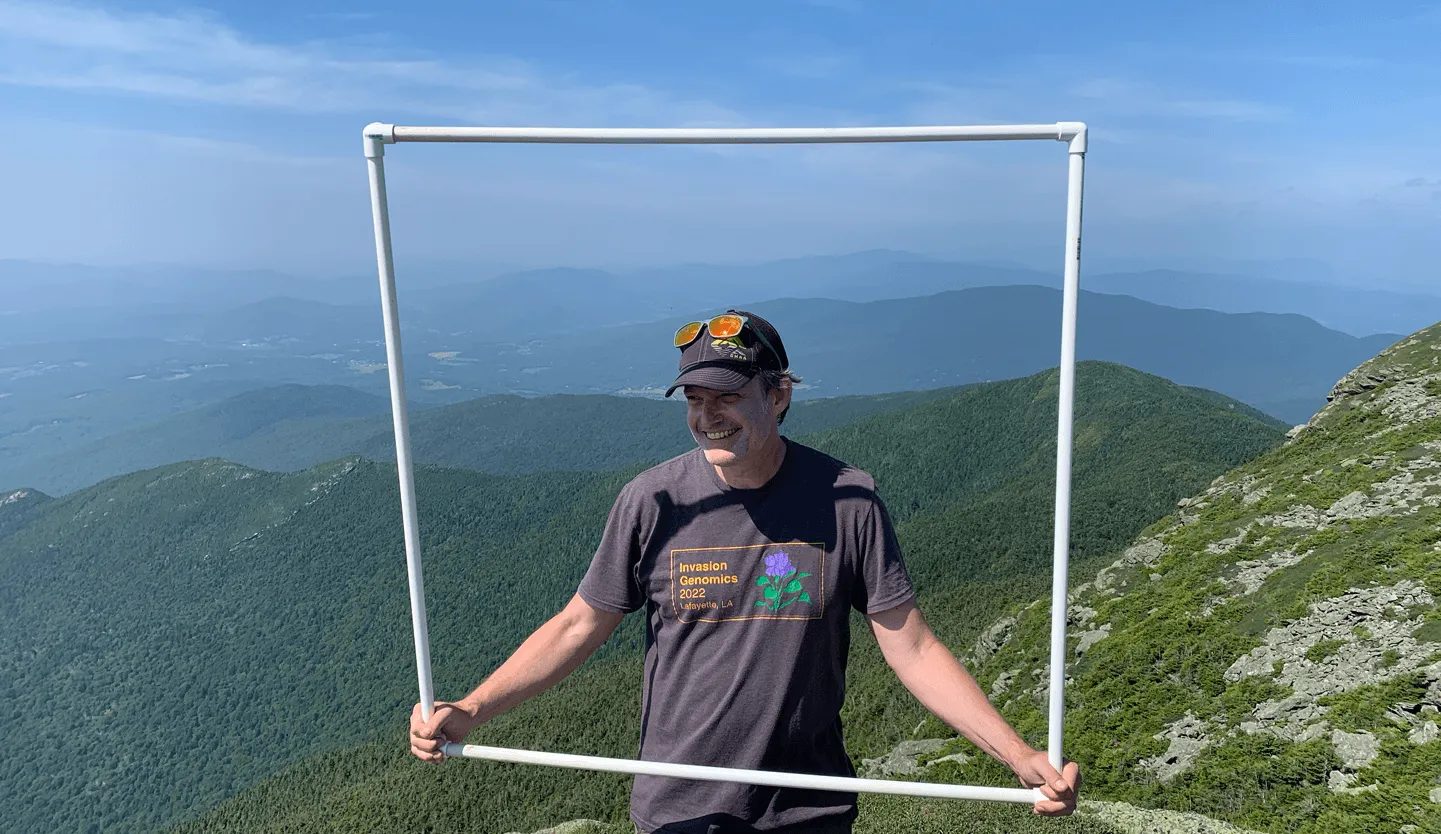
When we speak of faculty following in the footsteps of a giant of the American environmental movement like Hubert “Hub” Vogelmann, we generally mean this metaphorically, symbolizing the way a younger faculty member has picked up the theoretical torch of a research focus. And while Keller and Vogelmann do share many research topics, in this case it’s a literal description as well. Keller is personally carrying forward one of Vogelmann's most influential scientific legacies.
Hub Vogelmann was a longtime UVM faculty member and legendary conservation leader. He helped bring national attention to acid rain through studies he launched in the 1960s on Camel's Hump. By documenting the decline of red spruce forests and linking that decline to industrial pollution, Vogelmann's work helped shape public understanding of the environmental impacts and contributed to policy changes that ultimately strengthened the national Clean Air Act.
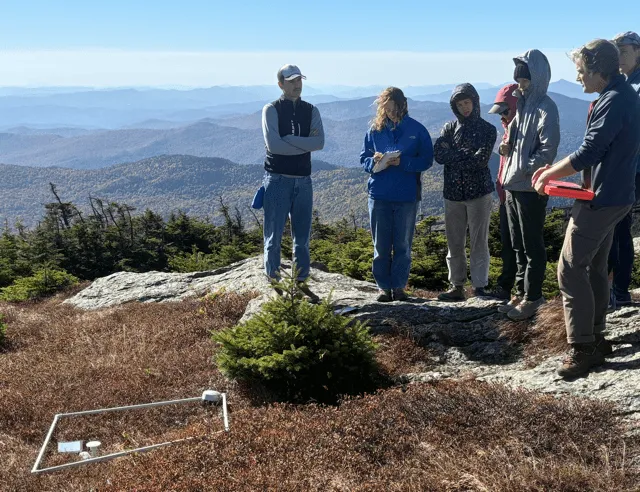
More than 60 years after Vogelmann and his students began the groundbreaking research that changed both the environmental history of Vermont and the tenor of national policy discussions, Keller hikes to those same forest monitoring plots. Every five years, he and his students continue taking measurements for a dataset that now spans generations.
For Keller, the honor is both professionally meaningful and deeply personal.
"It's very humbling," Keller said. "I never met Hub, but I've talked to a lot of people who knew him well. It's really inspiring now to be the steward of that dataset and carry on its legacy."
While Vogelmann's research helped society understand the consequences of air pollution, Keller is applying modern tools in genetics and genomics to address one of the defining environmental challenges of the 21st century: climate change.
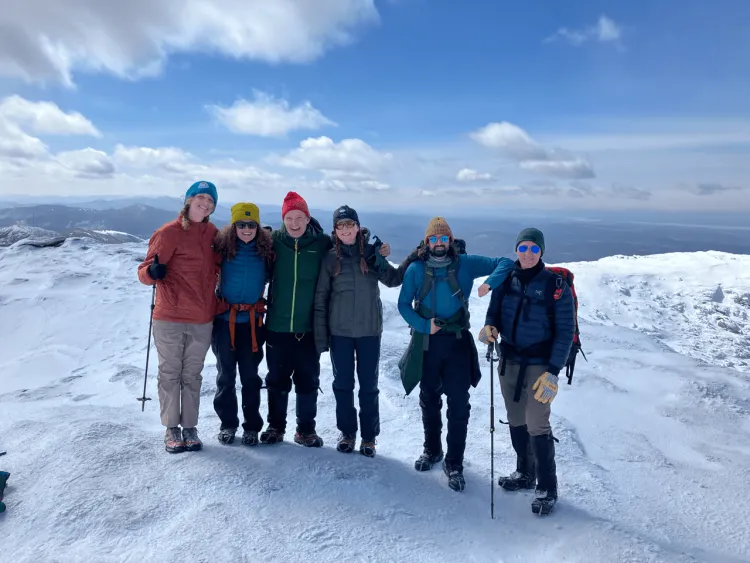
Keller’s research focuses on how genetic diversity helps forests and plant communities adapt to a changing world. By studying how climate change will affect long-lived organisms that will experience climate change within their lifetimes, like forest trees and alpine plants, Keller seeks to understand not only which species may be vulnerable to climate change, but also how conservation efforts can improve resilience and support long-term ecosystem health. That practical impact is something Keller says has become increasingly important in his own career.
Keller's thinking evolved as he began working directly with conservation practitioners and land managers. He has helped develop research that informs reforestation efforts, seed-sourcing decisions, and assisted-migration strategies all aimed at helping forests adapt to changing climate conditions. He works closely with organizations including The Nature Conservancy and the US Forest Service to apply genetic knowledge in real-world restoration and reforestation projects.
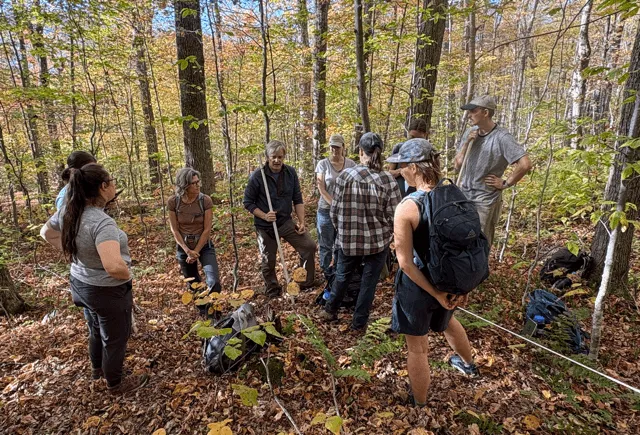
"There's a unique contribution that genetics can make," Keller said. "How do you make sure that you're instilling enough diversity and resilience for populations to respond to future threats that we don't even know about yet?"
The questions driving Keller's work echo Vogelmann's belief that science should serve society. Vogelmann was known not only for his research but also for his ability to communicate science to policymakers and the public. He helped establish Vermont's environmental ethos through conservation leadership, public engagement, and interdisciplinary problem-solving.
Keller sees many of today's environmental challenges through a similarly interdisciplinary lens.
"All of the challenges are inherently interdisciplinary in nature," he said. "The problems include human impact, and the solutions need to include us too."
Even though his methods are more contemporary, the connections between Keller's work and Vogelmann's legacy are striking. Perhaps most importantly, both scientists share a commitment to looking beyond individual species to understand larger environmental systems. Vogelmann was recognized as an early ecological thinker who saw connections between forests, pollution, conservation, and public policy. Keller similarly examines the interactions among genetics, ecology, evolution, and climate, bringing an interdisciplinary perspective to challenges that increasingly demand integrated solutions.
Vogelmann served as chair of UVM's Botany Department, now the Department of Plant Biology, and helped establish the department's reputation for combining fundamental research with environmental impact. As interim chair of that same department, Keller continues Vogelmann’s legacy while mentoring students and advancing research that addresses some of the most pressing ecological questions of our time. Vogelmann also founded the department’s renowned Field Naturalist Masters’ Program in 1983 because he believed environmental problems required scientists who could see connections across disciplines and communicate effectively with broader audiences.
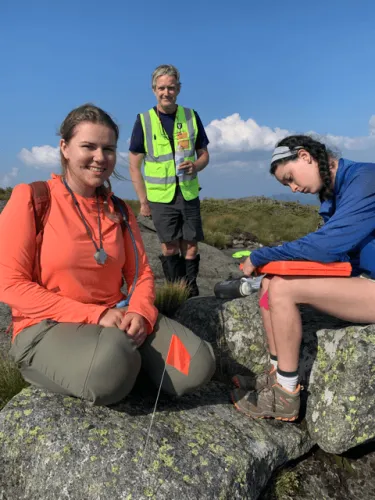
Keller says one of his priorities is fostering the same spirit of curiosity and discovery that has long defined the department. He points to students' enthusiasm for field-based learning, from plant identification and mycology to alpine ecology and maple science. New initiatives, including a minor in biodiversity and global change and a proposed concentration in plant ecology and conservation, aim to connect students with some of the most pressing environmental questions of the future.
Keller wants students to leave UVM not only with scientific knowledge but with the confidence to tackle complicated problems.
"I think our students leave with the confidence and empowerment that comes from being able to look at tricky, complex questions and think about how to unpack them," Keller said. "They can actually start solving those problems."
For all the dire scientific findings surrounding climate change, Keller remains optimistic.
As a geneticist, he sees resilience everywhere in the plant record: in the diversity that allows species to adapt, in alpine plants surviving extraordinary harsh environmental conditions, and in communities of interacting networks that stay resilient in the face of stress. He feels that though it’s risky to use the plant world as analogous, it might also be applicable for humans.
"We're resilient as people largely when we're interacting as communities too," he said. "That interdependency is actually a source of our strength. I think we'll be able to weather those storms ahead.”
Keller’s combination of scientific rigor, environmental stewardship, social impact, and faith in the power of community is precisely why he is such a fitting recipient of the award bearing Hub Vogelmann's name. Both scientists have dedicated their careers to understanding Vermont's natural landscapes, not simply for knowledge's sake, but to help ensure those landscapes thrive for generations to come. The fact that Keller literally inherited Vogelmann's Camel's Hump plots and continues that work makes this award feel like a poetic circle of conservation legacy, and not merely very deserved honor.
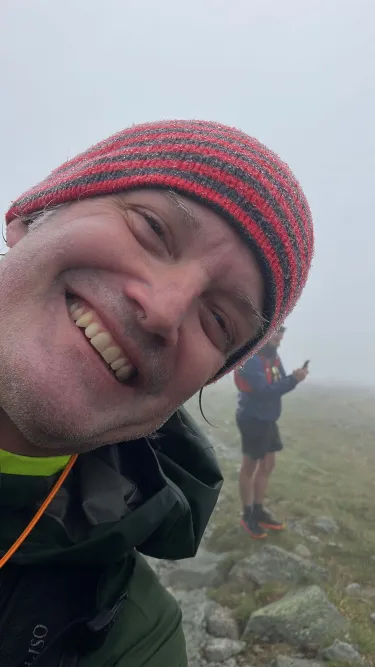
Keller will deliver the Vogelmann Award Lecture and discuss his research on Friday, Nov. 6, 2026, from 3:00-4:30 PM in the Chittenden Bank Room in the UVM Davis Center. The lecture will also be live-streamed via TEAMS and is open to the public.
