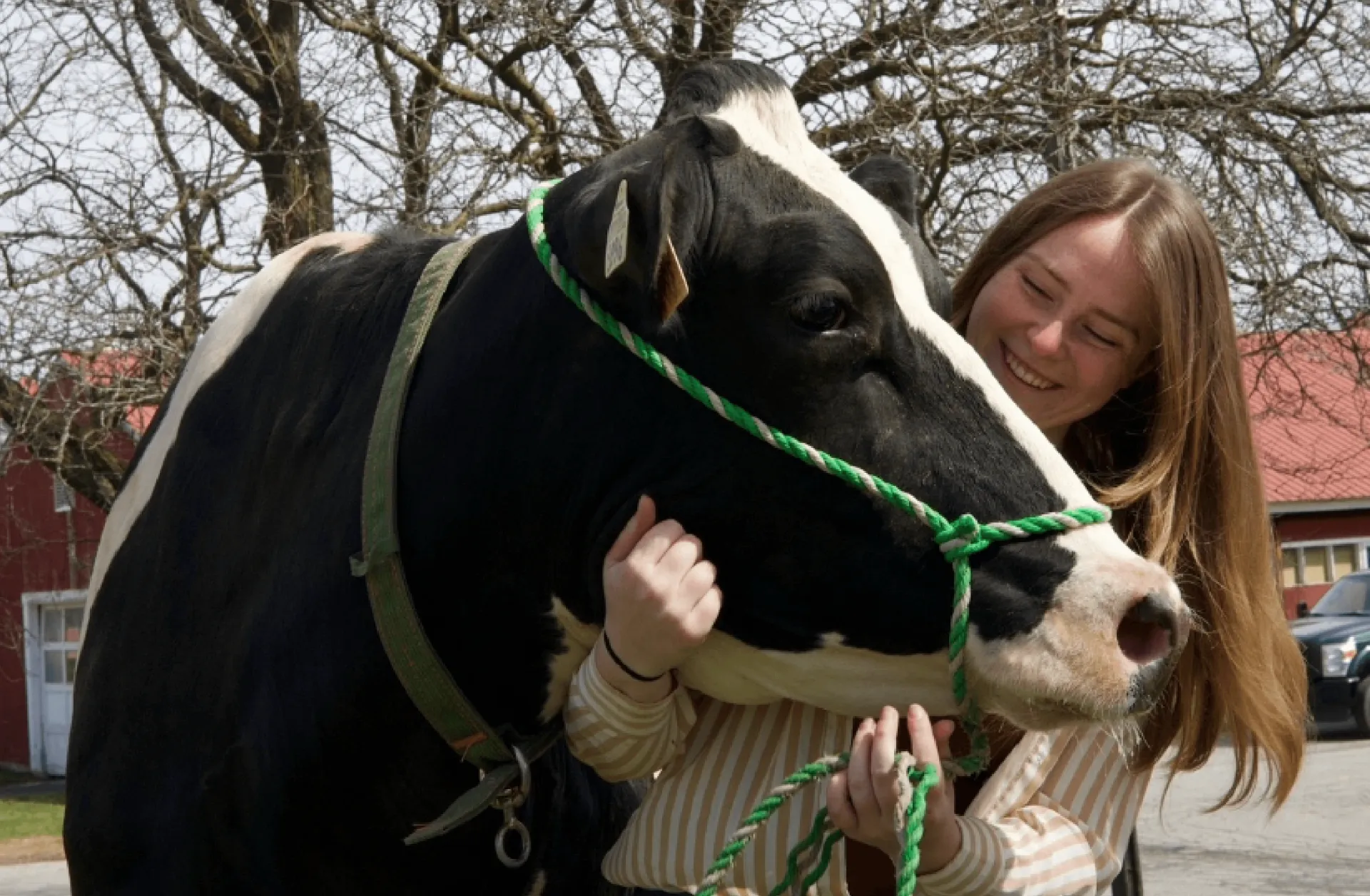
Hurley was initially drawn to the University of Vermont’s College of Agriculture and Life Sciences for its strong reputation in animal science and its many hands-on learning labs. She had long held the goal of attending veterinary school. CREAM, and the opportunity it offered to work directly with the UVM Dairy herd in particular, played a central role in her college choice decision. What began as an interest soon became a turning point, helping to solidify not only a pursuit of veterinary medicine but also a specific passion for large-animal and livestock care.
“The most impactful part of my educational experience was my time in the CREAM program,” the student shared. “It gave me a deep understanding of the dairy industry, herd health, and farm management, and helped me realize that becoming a livestock veterinarian is truly what I want to do.”
Through CREAM, Hurley gained extensive, real-world insight into dairy systems while building confidence and professional direction under the mentorship of Matt Bodette, Faerin Dick, and Dr. Stephen Wadsworth. That mentorship proved transformative, offering both technical knowledge and personal support that shaped future goals.
During time at UVM, the student was honored with several notable recognitions, including the James Gilmore Award through CREAM, the Brett Klein Memorial Scholarship, and the George Walker Award, acknowledgments that reflect both on her dedication as well as her academic achievements within her program.
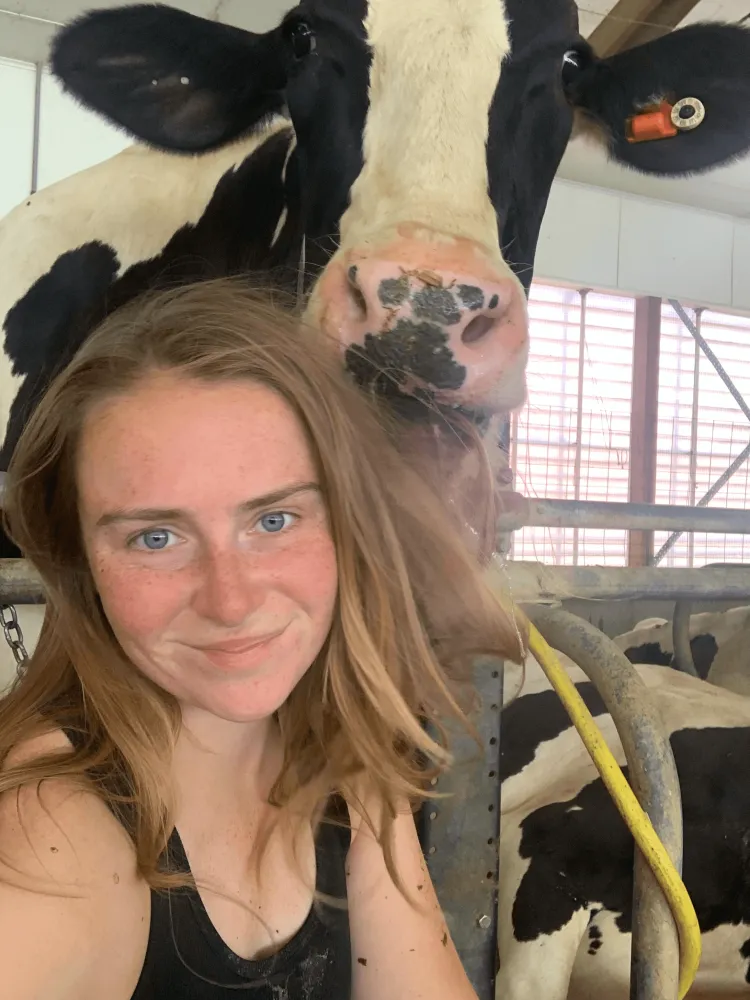
Hurley also gained significant hands-on training through work in the Costa Lab, assisting Dr. Joao Costa with research and performing cow and calf observations, feeding, vaccinations, feed sampling, and detailed record-keeping. Together, these experiences strengthened practical skills and reinforced classroom learning.
Outside academics, involvement in Pre-Vet Club and the Dairy Challenge broadened the Hurley’s perspective on the intersection of animal health and farm management. Competing and collaborating with her animal science peers deepened her understanding of how veterinary care, nutrition, reproduction, and business decisions work together on modern dairy farms.
“The most valuable connections I made were with the faculty, staff, and mentors through CREAM,” the student said. “Their guidance and support were instrumental in preparing me for what comes next.”
That next step is a significant one. This fall, Hurley will begin studies at the University of Glasgow School of Veterinary Medicine, pursuing a career as a livestock veterinarian. Preparation for this path, she says, has been both academic and experiential, rooted in applied learning, critical thinking, and real-world problem solving.
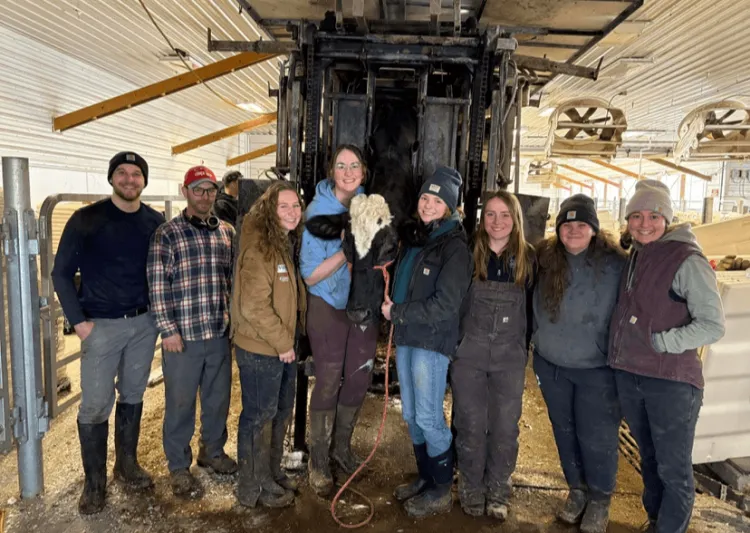
Beyond veterinary school, the student hopes to focus on farmer outreach, using veterinary training not only to improve animal health but also to support farmers through education, communication, and practical herd health solutions. Her experiences at UVM fostered a deep appreciation for the challenges farmers face and the importance of trust-based relationships in agriculture.
Hurley says that the time spent in CALS and the CREAM program provided more than technical training; it offered perspective, purpose, and a strong foundation for making a meaningful impact in the dairy industry.
“I feel prepared to pursue a career as a livestock veterinarian while also supporting the farmers who make this industry possible,” the student reflected. “That’s something I’ll carry with me from UVM wherever this path leads.”