UVM Animal Sciences at a Glance
- Degree: Bachelor of Science (B.S.)
- College: College of Agriculture and Life Sciences
- Location: Burlington, Vermont
- Format: On-campus
- Credits: 120
- Focus areas: Pre-veterinary/pre-professional, Dairy Science/Management, Equine Science, Zoo/Exotic & Companion Animals
Is UVM a Good School for Animal Science?
Yes. UVM offers a science-based Animal Sciences program that combines coursework in biology, chemistry, and animal systems with hands-on learning in farms, labs, and research settings. Students work closely with faculty to address real-world challenges in animal health, nutrition, and sustainable agriculture.
Why Choose UVM for Animal Sciences?
Hands-on learning from day one
Students gain experience in barns, laboratories, and field settings, applying classroom knowledge to real animals and real-world systems.
Sustainability and Vermont’s agricultural ecosystem
Vermont is a leader in dairy production, sustainable agriculture and food systems advocacy. UVM offers animal science students direct exposure to working farms, Extension, and regional food systems.
Faculty mentorship and small program feel
Students work directly with faculty on research and independent study, building strong mentor relationships and conducting real research, even as undergrads.
Flexible, individualized study paths
With guidance from advisors, students tailor their program around career goals and interests.
What Makes UVM Animal Sciences Unique?
- Strong connection to Vermont’s dairy industry and sustainable agriculture systems
- Integrated hands-on, research, and classroom experiences
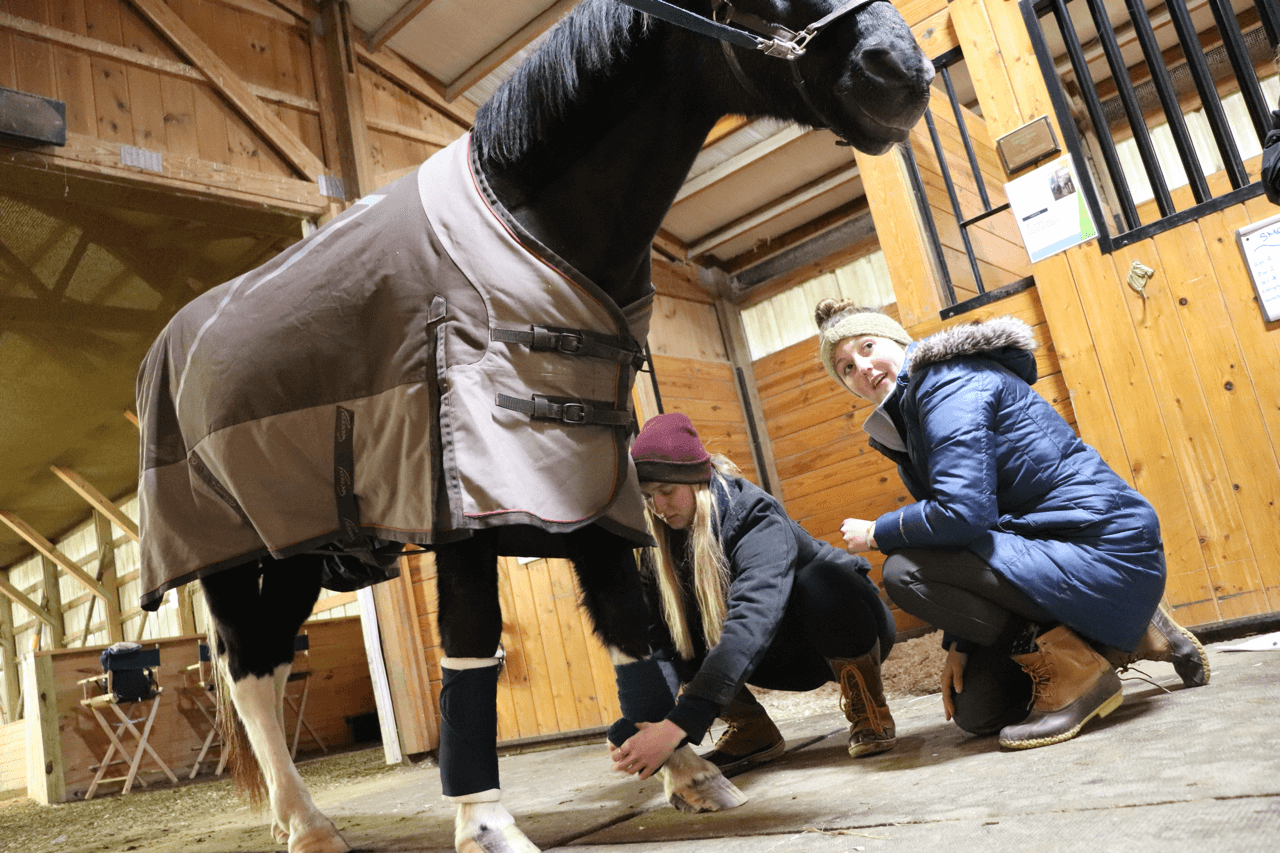
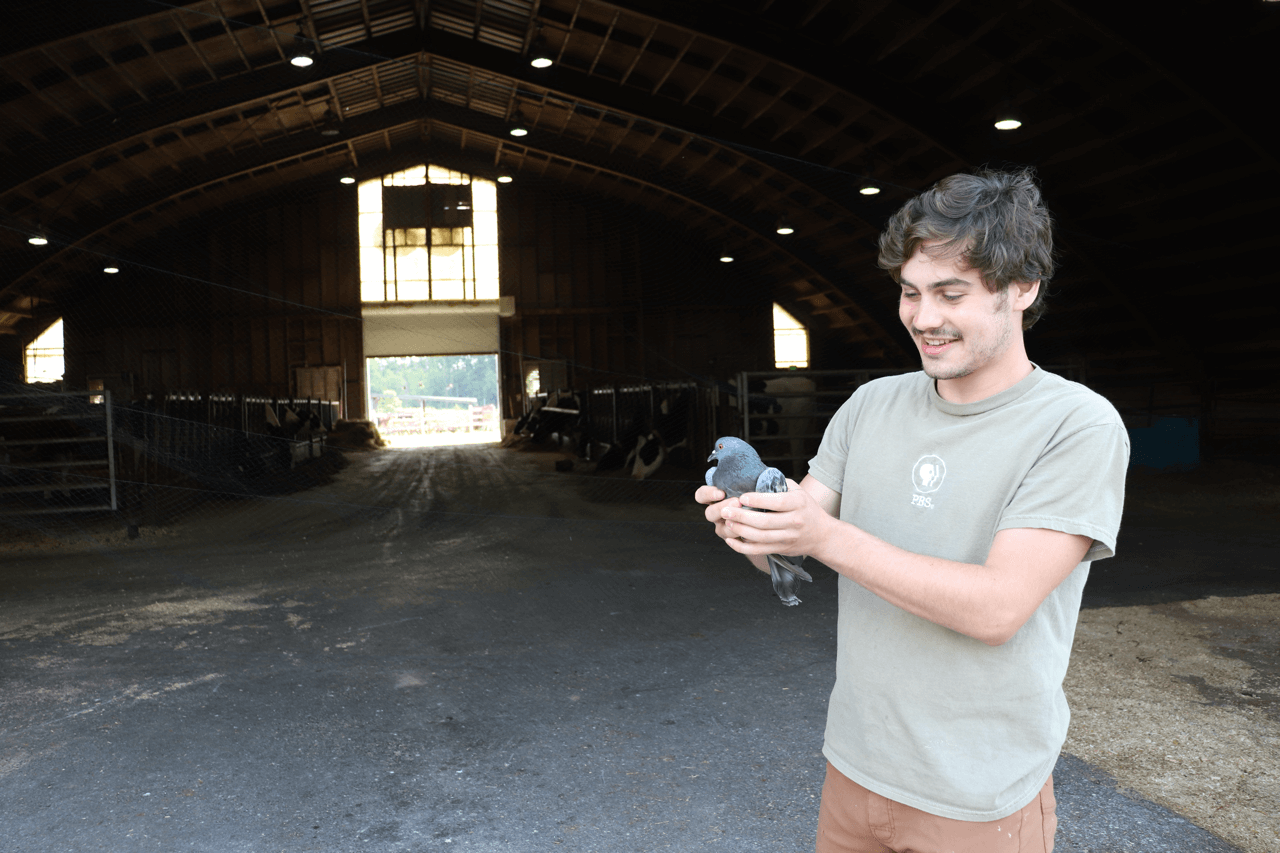
- Living laboratories such as the CREAM dairy program at the Miller Complex, the Morgan Horse breeding program at the Morgan Horse Farm, and Equine Studies at the Ellen Hardacre Equine Center
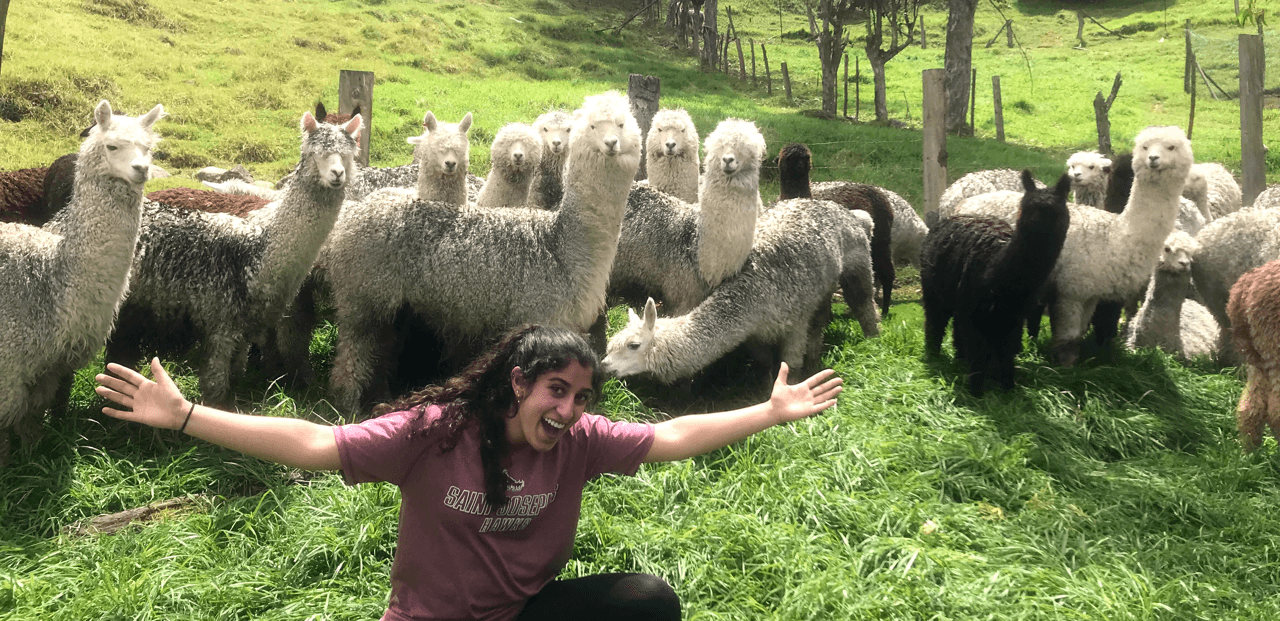
- Multiple unique study abroad programs including a European Pony Tour and Alpaca Study in Ecuador
- Opportunities for undergraduate research and internships
- A supportive, collaborative environment that prepares students for careers or graduate study
- Focus on the intersection of animal, environmental, and human health -- a One Health approach to animal studies
Is UVM Good for Pre-Vet Students?
Yes. The pre-veterinary/pre-professional focus area prepares students for veterinary school through:
- Required coursework in biology, chemistry, and advanced sciences
- Classes in animal health, nutrition, disease, and physiology
- Hands-on experience working with both large and small animals
- Opportunities for internships, research and study abroad.
This pathway aligns with the academic and experiential expectations of veterinary programs.
What are the Focus Areas in Animal Science?
Students customize their degree by pursuing one of four focus areas:
Pre-Veterinary / Pre-Professional Science
Designed for students planning to attend veterinary or graduate school, with intensive science coursework including microbiology, biochemistry, and molecular biology.
Dairy Science and Management
Focuses on feeding, breeding, herd health, and farm management, along with business and financial skills relevant to the dairy industry.
Equine Science
Covers horse care, breeding, management, and health, combined with business and industry skills.
Zoo, Exotic, and Companion Animals
Prepares students for careers working with companion animals or in zoos and specialized animal care environments.
What makes UVM’s Animal Sciences program unique?
UVM combines hands-on learning, sustainability-focused agriculture, and strong faculty mentorship within a vibrant and supportive community.
What animals do students work with?
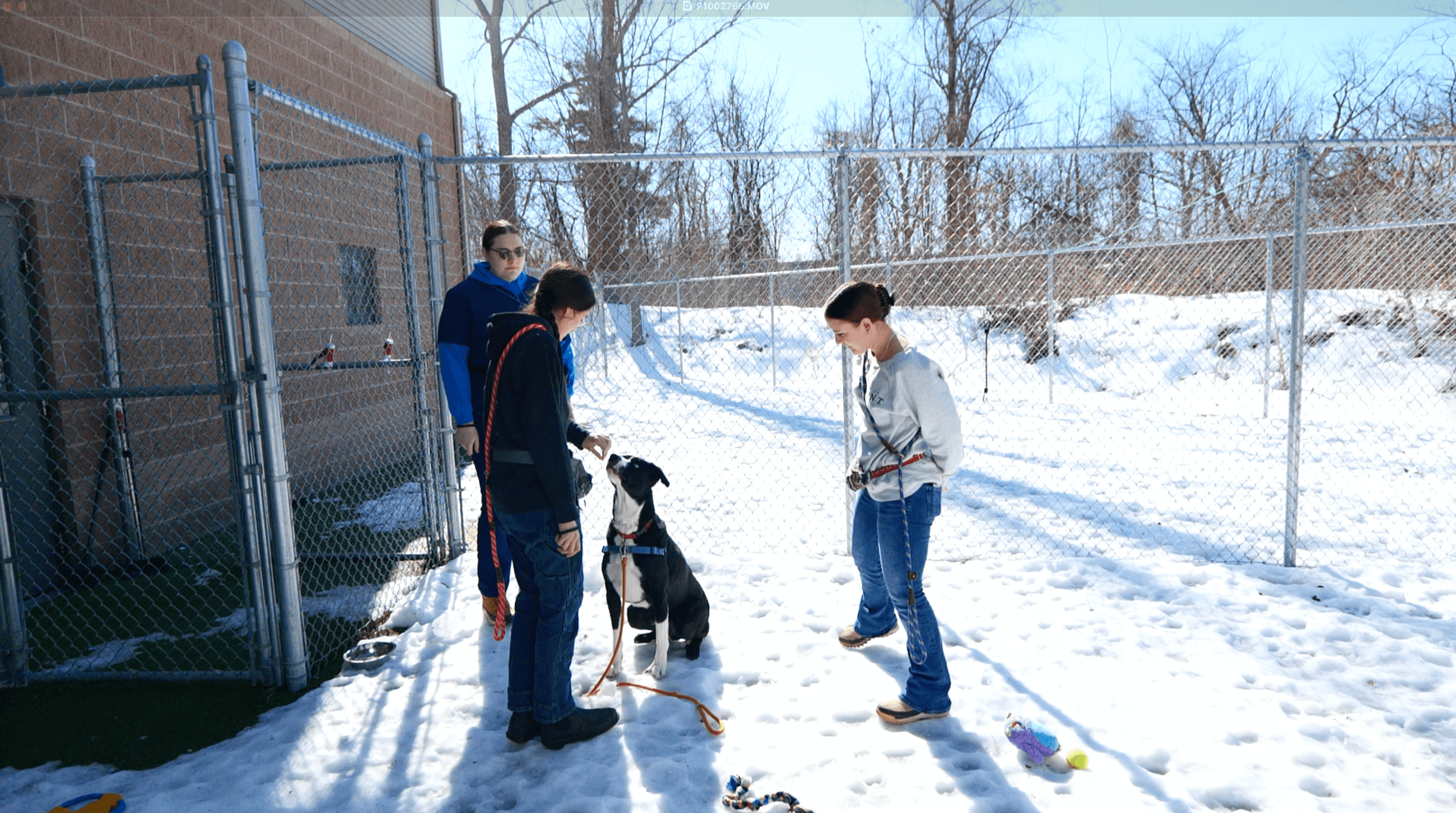
Students gain experience with dairy cattle, horses, companion animals, and may explore zoo and exotic species depending on their focus area.
What can you do with an Animal Sciences degree from UVM?
Graduates pursue careers in veterinary medicine, agriculture, research, animal health, animal training, and conservation. Some continue to graduate school to become veterinarians or researchers.
Does UVM offer internships and research?
Yes. Students have access to abundant internships in animal and veterinary sciences. Many students travel overseas to complete their internships or to other locations to work with veterinarians, zoos, and other animal-related organizations.
What are related minors at UVM?
Animal and Veterinary Science minor, Equine Studies Minor,
What are related majors at UVM?
Animal Studies
What is the focus of the curriculum?
The curriculum combines a strong scientific foundation with applied learning:
- Animal biology, physiology, nutrition, and genetics
- Chemistry, biology, and math coursework
- Animal health, reproduction, and welfare
- Liberal arts and communication skills
Students also benefit from:
- Undergraduate research opportunities
- Internships in animal and agricultural fields
- Experience applying science in real-world contexts
UVM Animal Sciences Is a Strong Fit for Students Who Want To:
- Prepare for veterinary school (pre-vet pathway)
- Work in dairy science or livestock management
- Study animal health, nutrition, genetics, or welfare
- Gain hands-on experience with animals early in college
- Build a career in sustainable agriculture or animal systems
- Work with equine, companion, or exotic animals
Careers in Animal Sciences
Graduates of UVM Animal Sciences pursue careers in:
- Veterinary medicine (DVM programs)
- Dairy and livestock management
- Animal health and nutrition
- Research and laboratory science
- Wildlife conservation
- Equine industry careers
Many students also continue to graduate or professional programs in veterinary medicine and related sciences.
Animal Science Programs in New England
UVM’s Animal Sciences program stands out among New England colleges for its:
- Hands-on, experiential learning model
- Strong ties to the regional dairy industry and equine opportunities
- Emphasis on sustainability and food systems
- Personalized academic experience based on interests
What makes UVM’s Animal Sciences program unique?
UVM combines hands-on learning, sustainability-focused agriculture, and strong faculty mentorship within a vibrant and supportive community.
What animals do students work with?
Students gain experience with dairy cattle, horses, companion animals, and may explore zoo and exotic species depending on their focus area.
What can you do with an Animal Sciences degree from UVM?
Graduates pursue careers in veterinary medicine, agriculture, research, animal health, animal training, and conservation. Some continue to graduate school to become veterinarians or researchers.
Does the animal science program offer internships and research?
Yes. Students have access to abundant internships in animal and veterinary sciences. Many students travel overseas to complete their internships or to other locations to work with veterinarians, zoos, and other animal-related organizations.
What are related minors at UVM?
Animal and Veterinary Science minor, Equine Studies Minor,