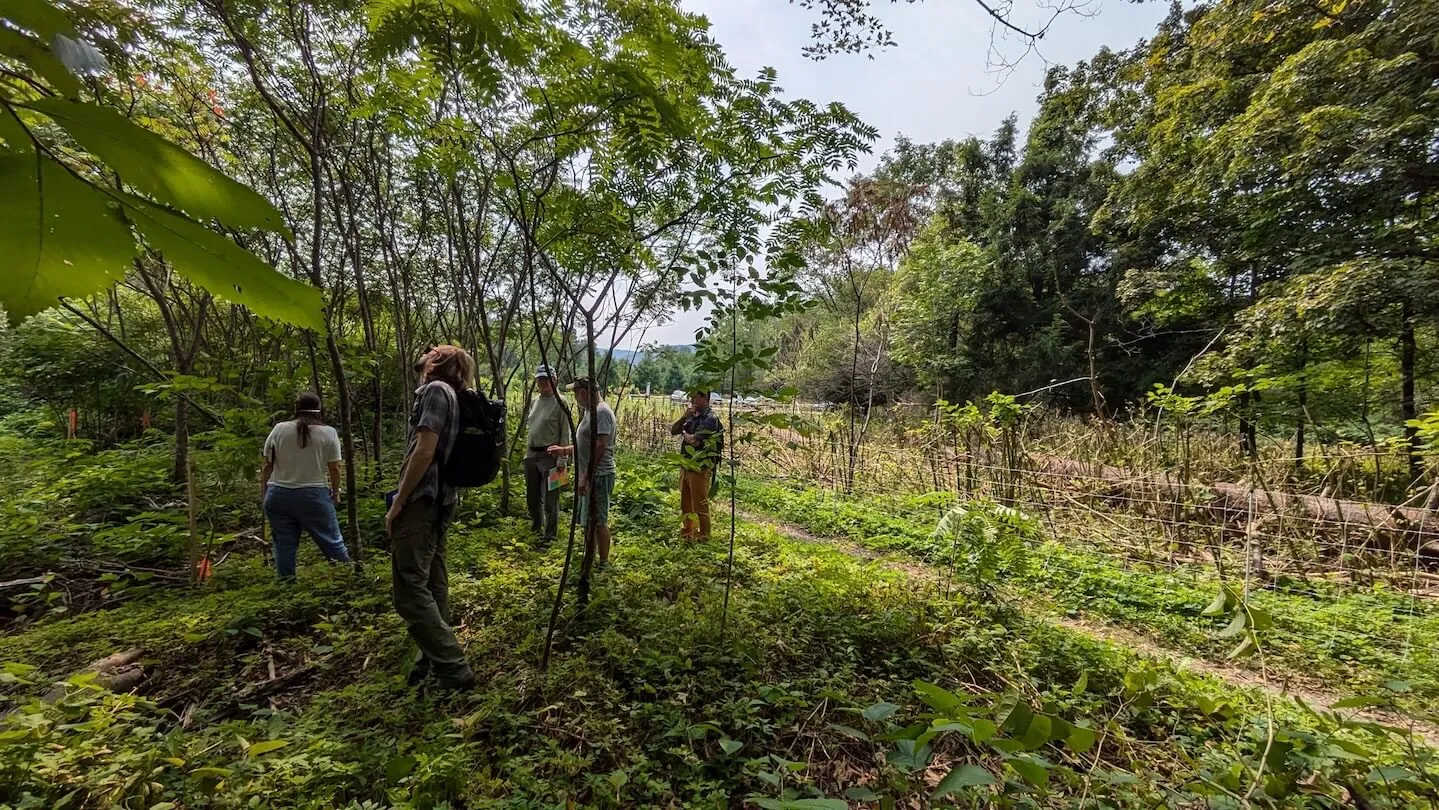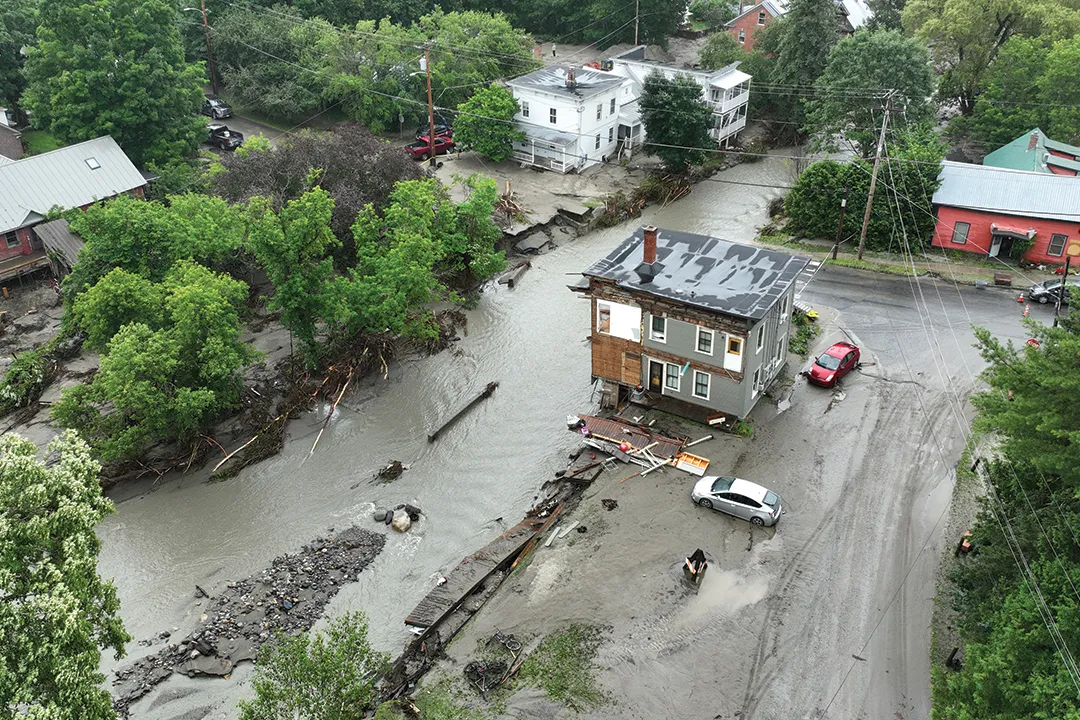
Rising temperatures, shifting precipitation patterns, and increasingly frequent extreme weather events are reshaping agriculture around the world. In Vermont, where devastating floods and long-lived droughts have become defining features of recent growing seasons, researchers are treating the state as a living laboratory for building climate resilient agricultural systems.
Dr. Eric von Wettberg, a professor in the University of Vermont’s College of Agriculture and Life Sciences, studies how domestication and breeding have narrowed the genetic diversity of crops. He seeks to understand evolutionary ecology and population genetics of wild crop relatives to breed more resilient varieties, conserve genetic resources, and strengthen agricultural systems in the face of climate change.
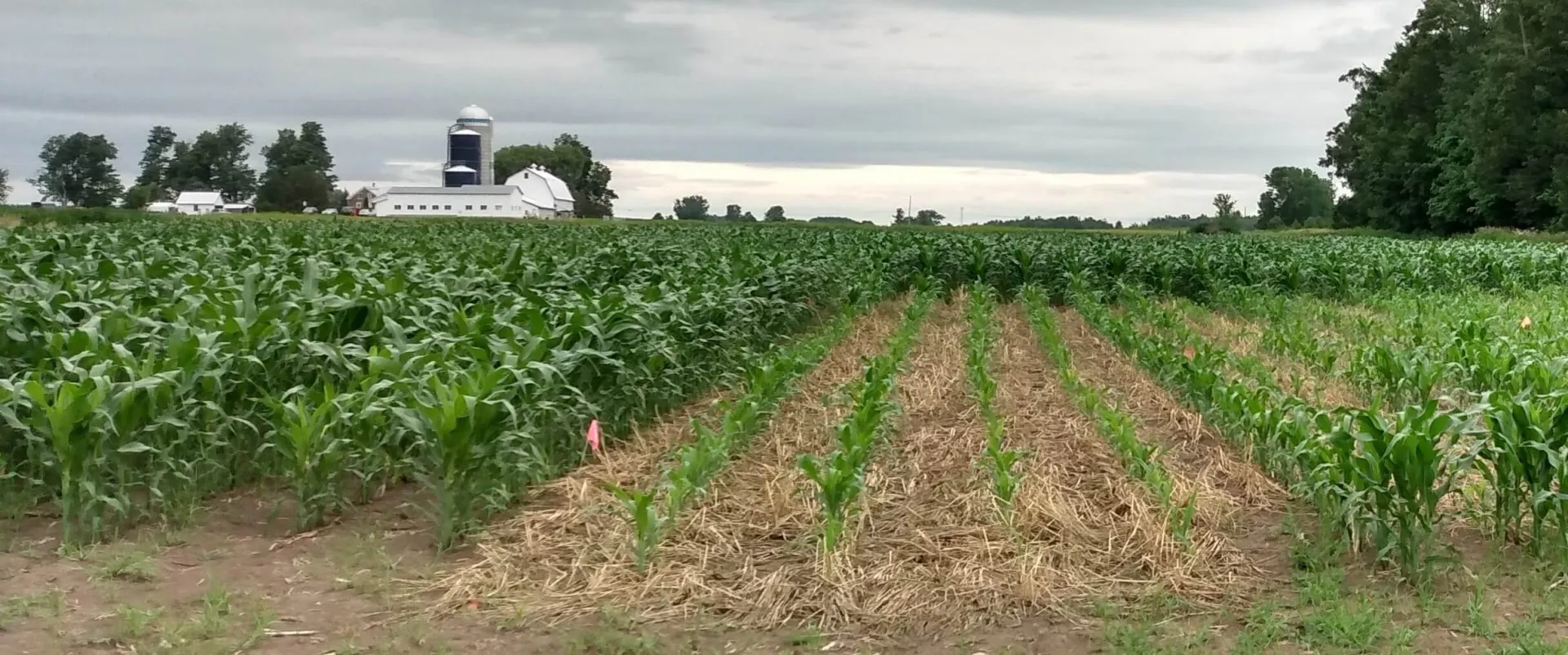
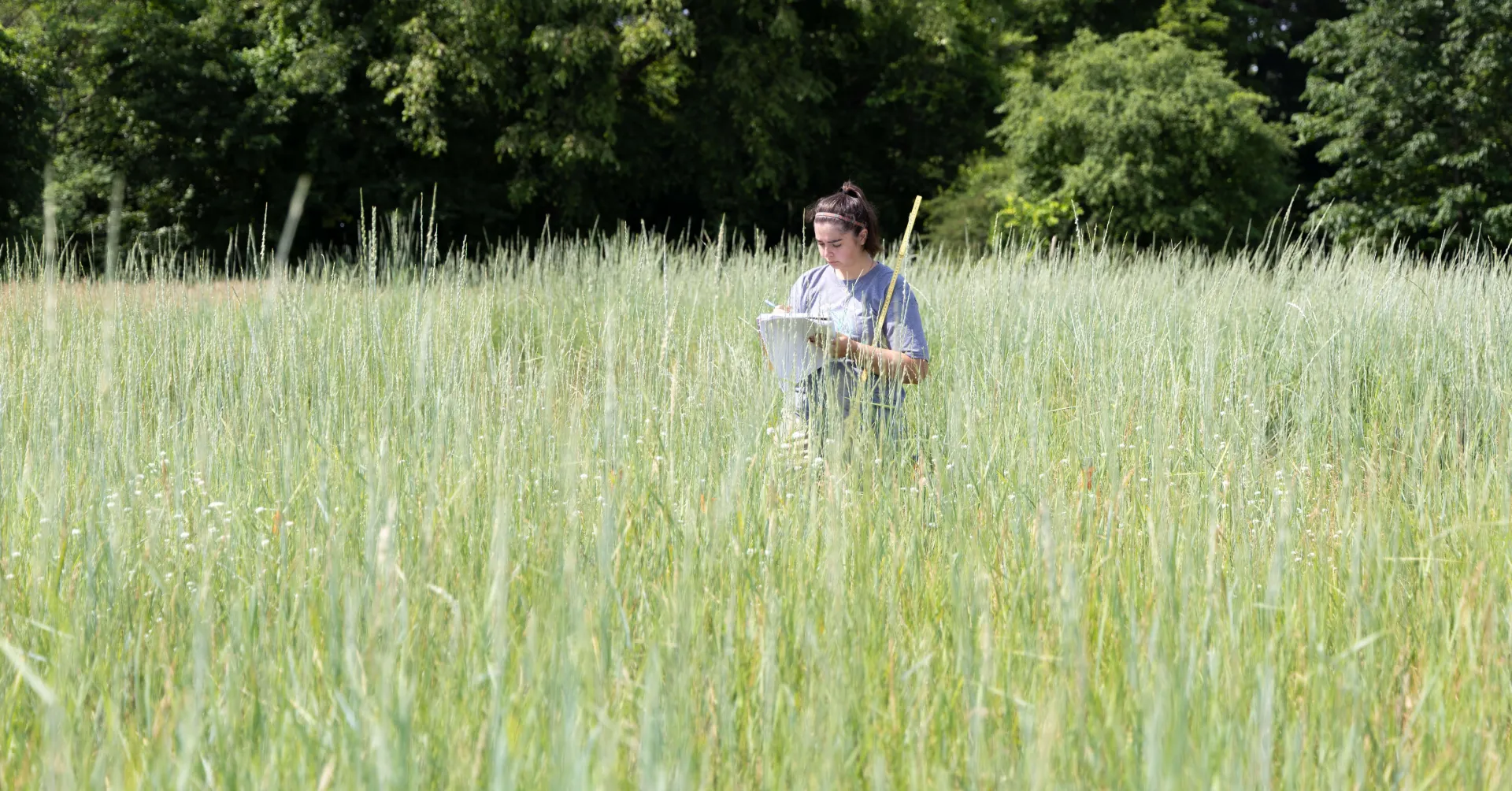
At UVM’s Horticulture Research and Education Center (HREC), his research team is uncovering multiple strategies for adapting to an unpredictable climate. A plot of perennial kernza grows alongside short-duration mung bean and buckwheat—three crops that demonstrate resilient approaches to a challenging climate.
Kernza is designed to live and produce over multiple growing seasons, while mung bean and buckwheat can reach maturity in fewer than 100 days, allowing farmers to recover after an event that wipes out their harvest.
Beyond climate adaptation, the team is also working to advance crop diversity in the region and improve access to culturally significant foods. “We recognize that there are communities with deep connections to these crops, yet there is not a lot of locally grown access to them,” explains Alexis Yamashita, a Food Systems Ph.D. student.
One focus of the team's work is kernza, a perennial grain developed by collaborators at the Land Institute in Salina, Kansas. Unlike wheat, kernza develops root systems that can extend up to 10 feet deep, allowing it to access water reserves, rejuvenate the soil, and thrive when other plants cannot.
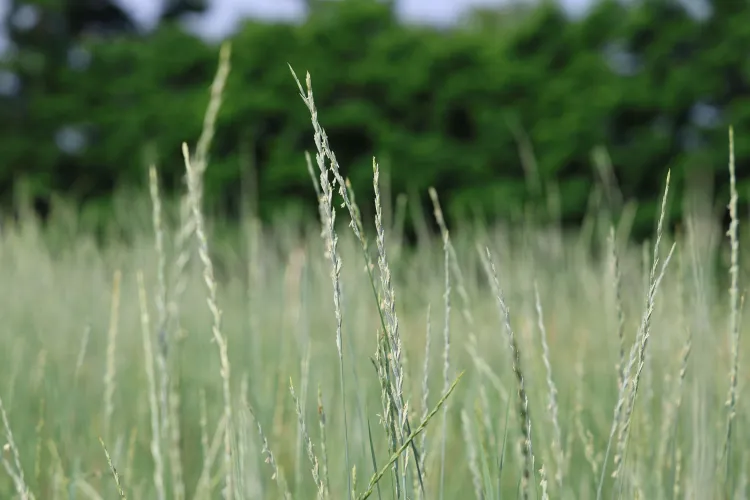
Its exceptional drought tolerant traits could prove increasingly valuable across the Great Plains, where historic drought and depleting water levels in the Ogallala Aquifer are threatening the country’s breadbasket. Researchers believe kernza could be the answer to the region’s low grain yield, as it can complement, or even replace, traditional wheat as water scarcity continues to intensify.
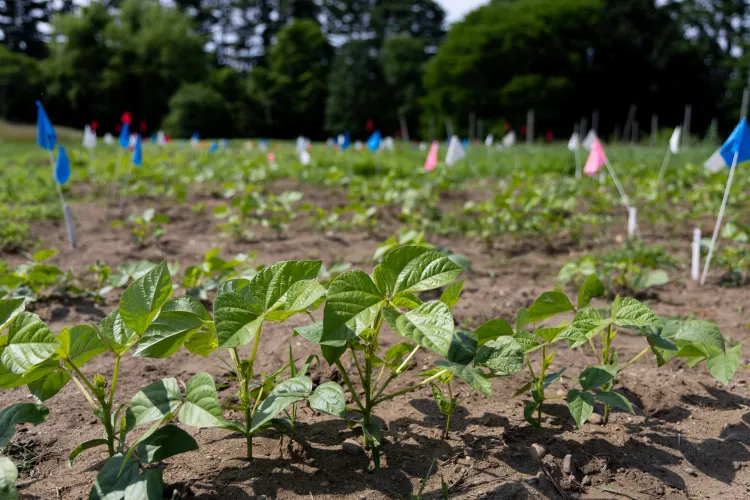
Just a few steps away from the kernza plots, the mung bean offers a different form of resilience. This crop can grow very quickly, reaching maturity in 100 days. Therefore, mung bean is well-suited for erratic climate conditions. In Vermont, it can be grown post-flood, helping farmers recover within the same growing season. In other parts of the country, where most two-crop rotations are dominated by soybeans and corn, mung beans fit neatly into a growing season with winter wheat. Farmers can plant it after winter wheat and then quickly move into the next season. This is beneficial, as wheat can grow well into June, which is too late in the summer to plant corn, or even soybean. Mung beans allow winter wheat farmers to take advantage of the shoulder season, without giving up their main crop.
As a legume, mung beans are a great source of plant-based protein and naturally fix nitrogen in the soil, reducing fertilizer needs. Expanding its production in the Northeast could help strengthen regional food systems while providing farmers with a climate-resilient crop that performs well under increasingly variable conditions.
Buckwheat provides yet another adaption strategy. Often used as a cover crop, it grows quickly with minimal fertility requirements and can produce a harvest after flood events or during drought when other crops struggle. Its ability to thrive under stressful conditions has made it a favorite of Dr. von Wettberg.
“If I had one crop in the apocalypse, it would be buckwheat,” he says.
His team is currently evaluating 13 varieties of buckwheat with the goal of establishing Vermont’s own evolutionary buckwheat population, a genetically diverse population that can continue to adapt over time.
Rather than relying on genetically uniform crops, evolutionary populations contain a wide range of genetic variation, increasing the likelihood that plants will survive and thrive under changing environmental conditions. As weather becomes less predictable, this diversity is a powerful tool for building agricultural resilience.