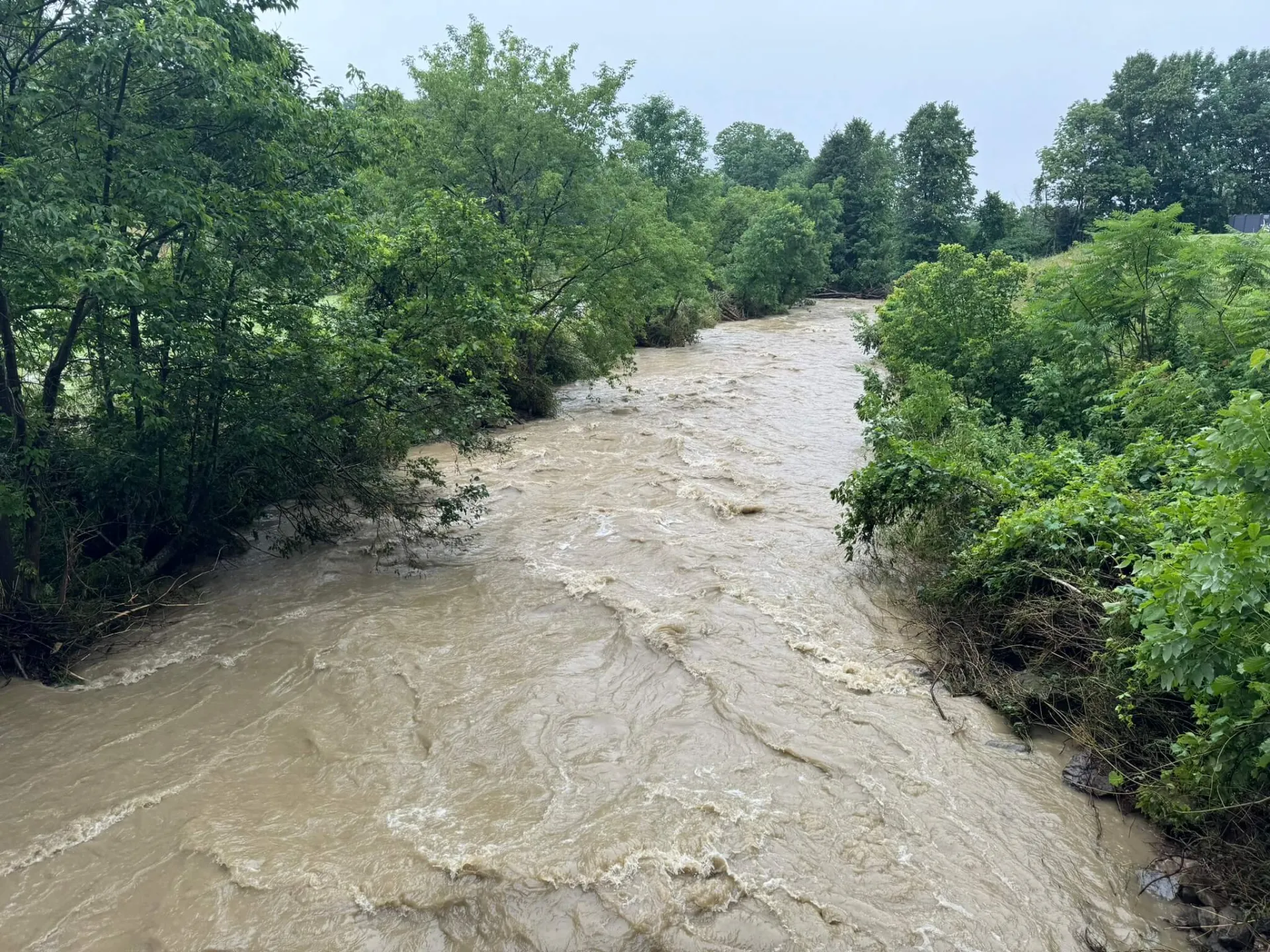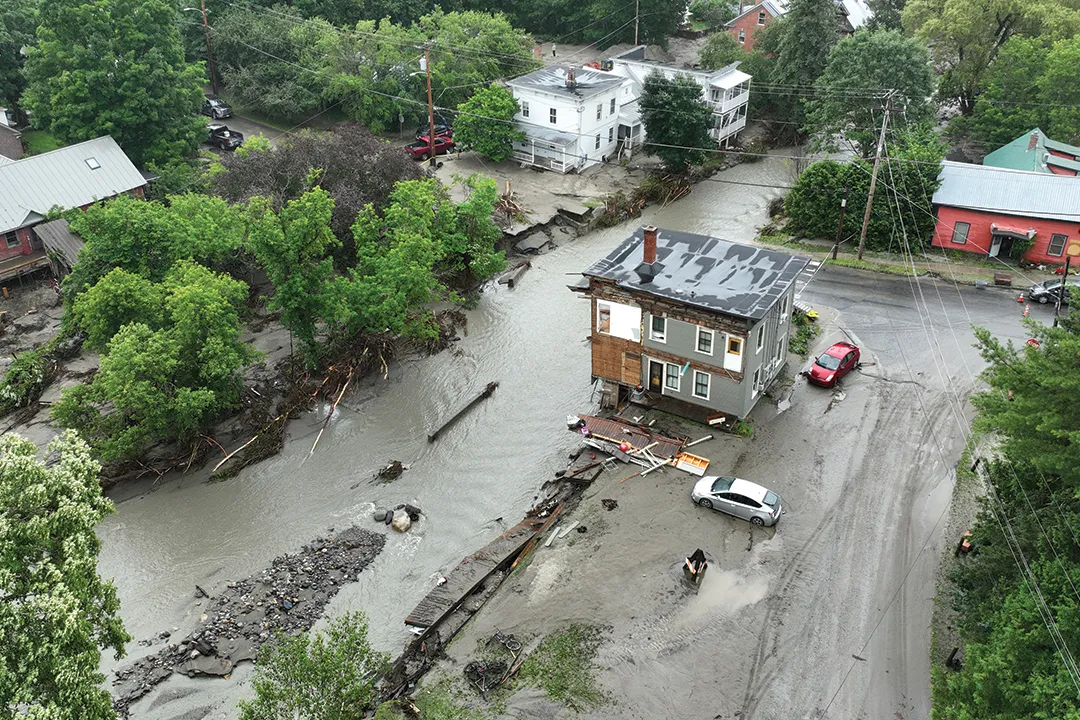
For decades, flooding has remained one of the most destructive and deadly natural disasters in the United States, causing an average of $8 billion in damages and nearly 90 deaths each year.
With climate change intensifying storms and urban development replacing natural flood barriers, both the frequency and severity of flood events are on the rise.
Warming temperatures allow the atmosphere to hold more moisture, fueling heavier rainfall. At the same time, as cities grow, natural landscapes are being replaced with concrete and asphalt, increasing runoff and overwhelming stormwater systems.
As a result, flood risks are rising nationwide, including in states that have not historically faced frequent flooding. By 2100, the number of Americans exposed to flooding could nearly double.
Investing in Natural Spaces
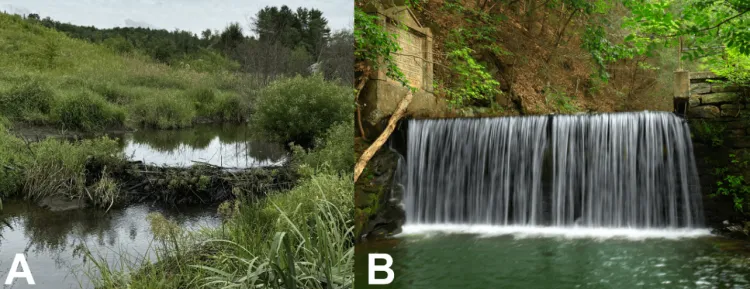
Nature-based solutions (NbS), such as restoring wetlands and reconnecting floodplains, can significantly reduce flood impacts by slowing and absorbing runoff. Unlike dams and levees, these approaches also deliver added benefits, including improved air quality, carbon storage, biodiversity, and aesthetic and recreational value. Despite these advantages, NbS remain underused.
University of Vermont researchers supported by the Cooperative Institute for Research to Operations in Hydrology probed public perception and attitudes on flood mitigation through a nationally representative study. The study published in the journal, People and Nature, reveals that while many people recognize the value of engineered structures, interest is growing in natural alternatives, specifically when their additional benefits are realized.
Public Awareness and Support
Numerous obstacles need to be overcome to enhance the usage of NbS for addressing flood risk, including technological, financial, political, and social barriers.
Currently, public knowledge remains limited.
“Only about half of respondents knew that wetlands reduce flood risk, and many were unfamiliar with basic flood terminology. Less familiar terms like ‘flood stage’ and ‘areal flood’ caused widespread confusion,” notes Dr. Jessica Balerna, a University of Vermont post-doctoral scholar who led the publication of these results.
This lack of knowledge contributes to uncertainty and resistance toward unfamiliar solutions, as well as misinterpretation of flood warning messages.
Investment Preferences
When asked about how municipalities should use public funds to mitigate floods, most respondents preferred a balanced approach, with a 50/50 investment between natural and engineered solutions. Balerna said that shows people are not necessarily opposed to natural solutions, but they are more comfortable when they are paired with traditional infrastructure.
Brendan Fisher, professor in the Rubenstein School and co-lead on the project, said “there is not much work comparing the full costs and benefits of nature-based solutions and hard infrastructure approaches to flood mitigation. There are going to be places in the landscape where one option is going to make much more sense than the other. Natural solutions offer a suite of co-benefits to people and biodiversity when preferred, but our work here shows that the average citizen isn’t that familiar with just how, and how much, natural solutions can benefit them."
Today, most communities across the United States rely solely on grey infrastructure solutions, like dams and levees, for flood mitigation. With more than 90,000 dams across the nation, and most of them over 60 years old, engineered solutions have long dominated the public’s perception in terms of flood control.
Those with less flood experience or who live outside flood-prone areas tended to favor engineered structures, reflecting the influence of familiarity.
Shaping Support for Nature-Based Solutions
Support for nature-based approaches among those surveyed in the study was strongest among people with higher education, greater flood literacy, and awareness of their local flood risk.
Those who were more knowledgeable about the benefit of natural spaces wanted to see more investment of government and tax-payer dollars into these spaces, even at the expense of engineered structures.
The more benefits participants recognized, the more likely they were to favor public investment in interventions such as restoring wetlands and implementing riparian forest buffers.
Political identity also played a role: liberals and moderates were more supportive of NbS than conservatives, likely due to associations with climate change policy. This highlights the need to frame environmentally-oriented interventions for flood mitigation around local, practical benefits rather than national political narratives.
Closing the Gap
The study underscores that education and local engagement are key to expanding support for nature-based flood solutions. Clear communication about flood risks and the economic, recreational, and community benefits of NbS can build trust and reduce political resistance. Community-focused planning and transparent decision-making can help normalize these approaches.
As flooding becomes more widespread and unpredictable, proactive engagement and investment are critical. By improving flood literacy and highlighting how working with nature enhances resilience, communities can adopt more effective, sustainable strategies to protect lives and property.