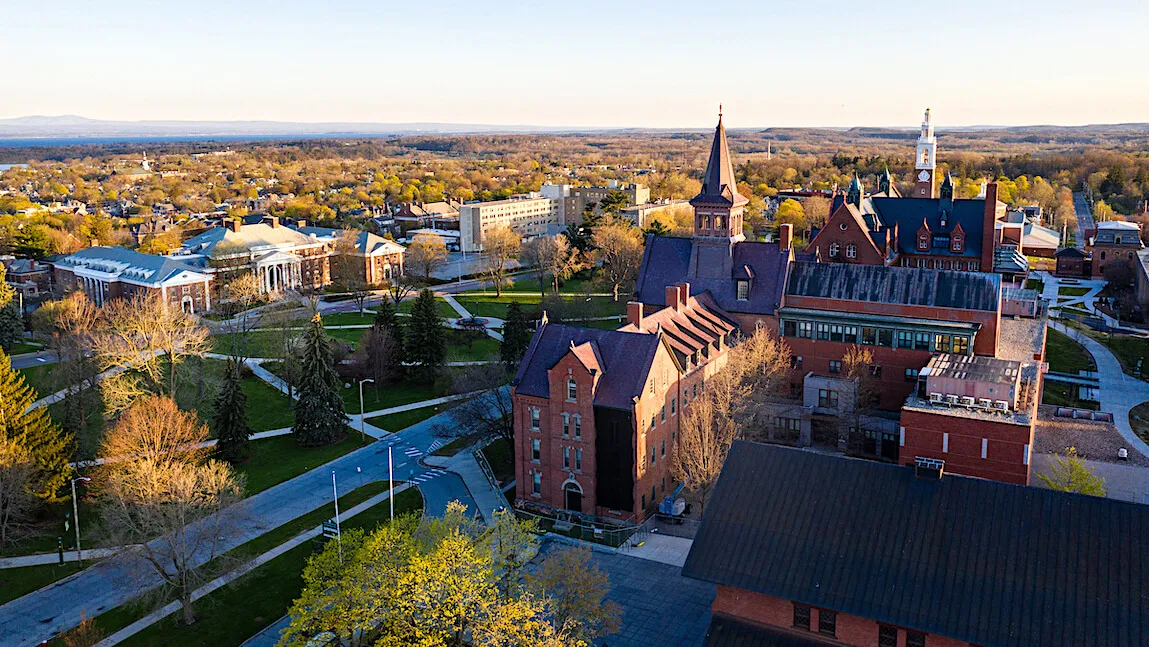
There are plenty of reasons UVM is a great place to make an impact. For one, “Students are afforded trust and agency in their projects,” said Kalman Slater ’26. “When a student has an idea and they want to take something on, I’ve found that educators and staff are ready to support them. Rather than trying to control a project, they want to just give students as many resources as possible.”
Our campus is bustling with students working hard to make their mark. Here are just a few of them.
THE EMERGENCY RESPONDER
KALMAN SLATER
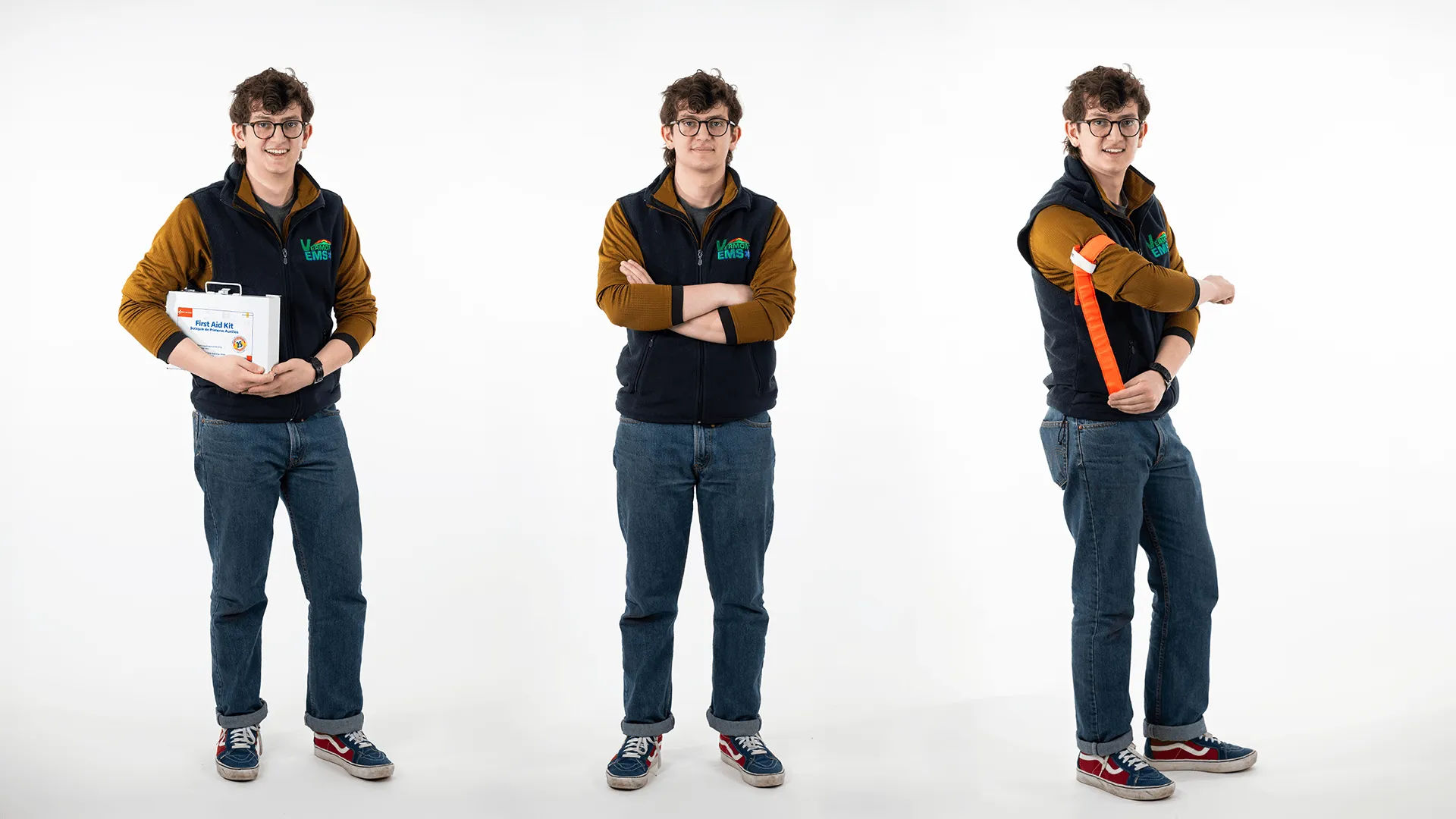
Starting next fall, every RA at UVM will be trained and equipped to respond to emergencies in their residence halls — thanks in part to the work of Kalman Slater ’26.
Slater, a public health major from outside Chicago, is also an EMT with Waterbury Rescue. Last semester, he took on a new kind of challenge.
Through an internship with UVM’s Department of Emergency Management, he conducted an in-depth review of emergency response procedures for Housing and Dining staff. His analysis was informed by his dual perspective as both an RA and an EMT — and by a question he and other RAs had struggled with: In an emergency, what exactly are RAs supposed to do?
“Sometimes RAs heard that if they were comfortable, they could help,” he said. “Sometimes they heard they shouldn’t because it would be a liability.”
Slater’s report examined UVM policies, the legal landscape, and best practices at other universities. He found that Vermont law requires people to provide reasonable life-saving aid to those “exposed to grave physical harm,” and federal law protects people who use AEDs or provide CPR in good faith. Yet at UVM, RAs weren’t required to receive emergency response training, and most residence halls didn’t have CAT ECare stations — campus sites stocked with AEDs, bleed-control kits, and Narcan.
Slater teamed up with fellow students Cassie Rubin and Lauren Bush, who were working on a related Public Health Capstone project. Together with the Department of Emergency Management and CAT ECare, they presented their findings to Housing and Dining.
The result? All residential staff will be required to complete emergency response training, and new CAT ECare stations will be installed in every residence hall.
“It’s a huge step forward for safety in res halls,” Slater says. “And if you think about it, there are about 160 RAs on campus. That’s 160 students who now have emergency training — who are in classes, going on trips, hanging out with friends — and prepared to act.”
Slater believes student voices made the difference. “There had been administrative back and forth on this for years,” he says. “This semester, there was a perfect storm of students working on the issue from different angles, and it really convinced people that it mattered.”
THE TRAFFIC CALMER
ALIA LIEBOWITZ
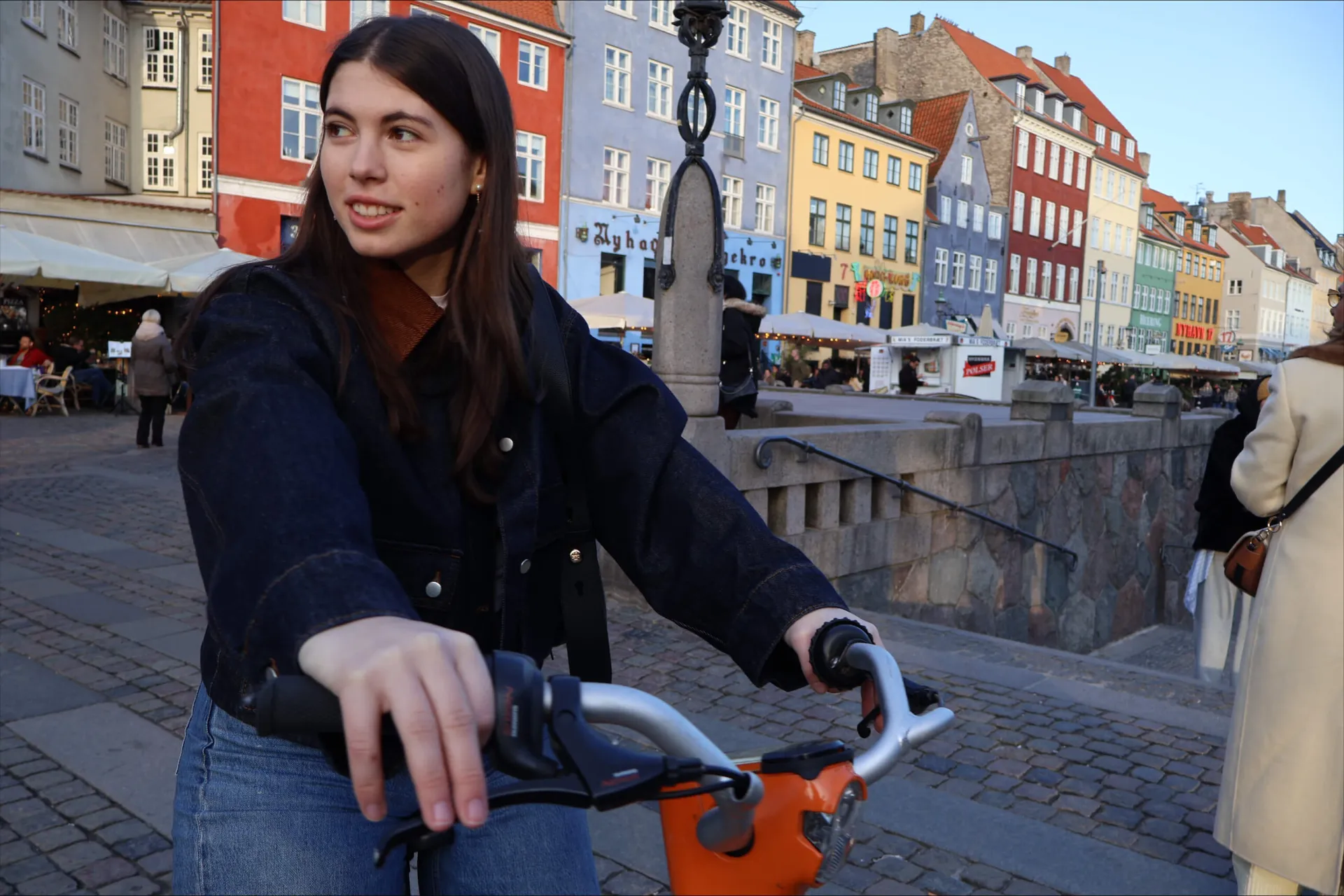
Before Alia Liebowitz got her hands on it, the city of Essex Junction’s traffic calming policy was only one page long and sorely outdated.
As part of a Communities of Practice internship, Liebowitz ’27 spent two semesters reworking it. She attended city meetings at night and interviewed area residents, engineers, and municipal planners around Vermont for additional insight. “The whole community got involved,” she recalled. Together they created a deeply researched 30-page document detailing the city’s road safety goals — and the tools it could use to achieve them.
At the end of the school year, Liebowitz and her collaborators presented their work to the Essex Junction City Council, which officially adopted the policy the following December.
“That class really got my feet off the ground,” said Liebowitz.
Since her traffic-calming policy was adopted, she has completed another internship, with the Afghan Alliance, where she addressed issues of transportation and belonging among refugee communities.
With a triple major in Geography, Global Studies, and Japanese, plus a minor in geo-spatial technologies, Liebowitz is hoping to pursue a career as an urban planner. And she’s hungry for insight into other cultures and urban settings, which is why she already spent a semester in Tokyo and is spending this semester in Copenhagen, Denmark.
For Liebowitz, it’s all about building community. That’s what drew her to UVM in the first place. “UVM is so community-oriented. I’ve been able to branch out and interact with the local Vermont community. And it's 100 percent why I came to UVM. I was looking at similar schools, similar programs, but when I got to the UVM campus, I felt at home. People felt connected. There was a real sense of community and togetherness.”
THE LAKE KEEPER
AVERY REDFERN
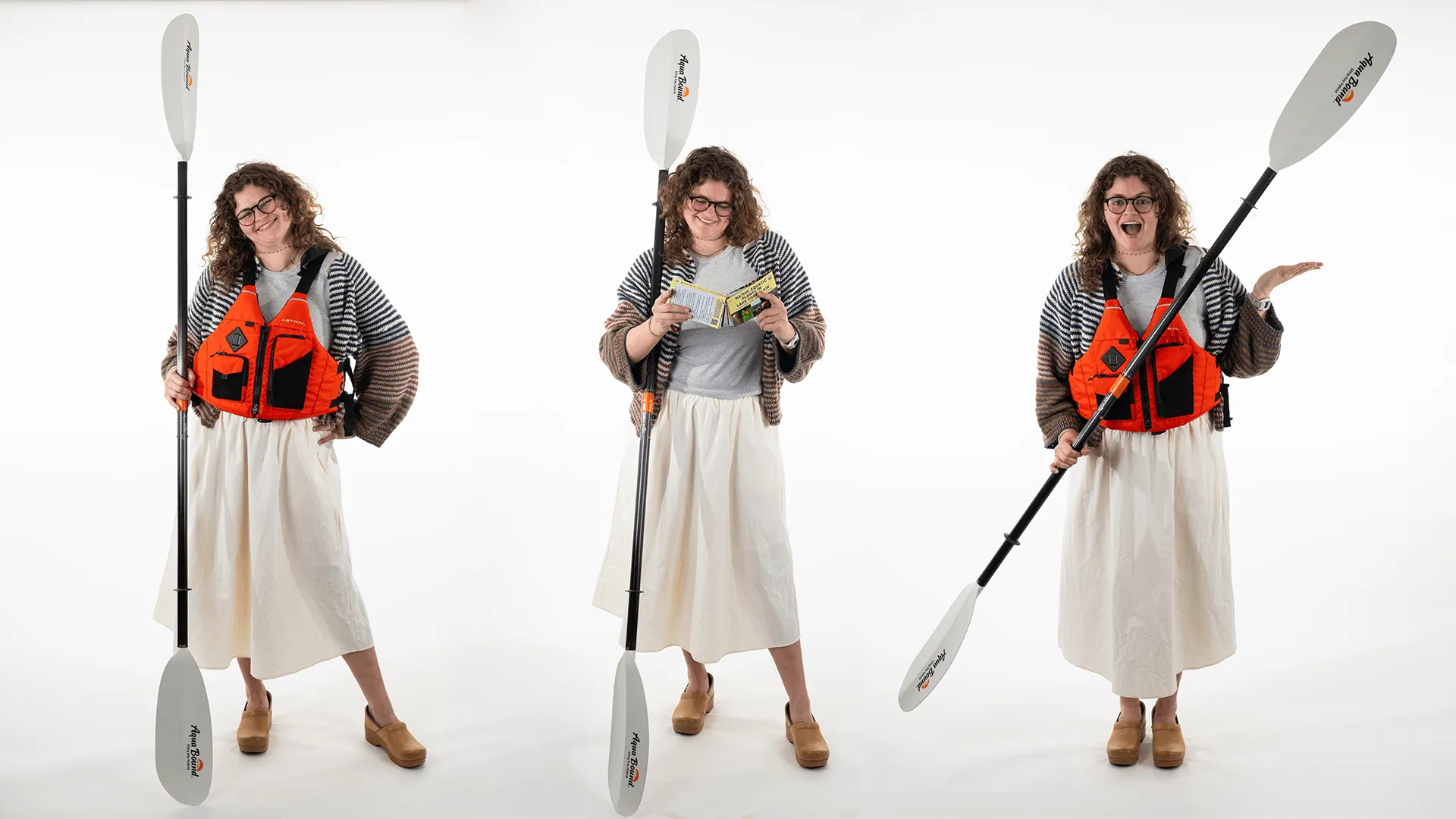
Avery Redfern has used her unique artistic perspective to engage others in sustainability work since arriving at UVM from southern Arkansas in 2022.
Last summer she worked as a Lake Keeper intern for the Conservation Law Foundation on Lake Champlain. Every week Redfern ’26 kayaked out to Law Island to monitor cyanobacteria conditions — and followed up with creative public outreach projects.
She used writing, art, and photography to educate folks at farmers markets, festivals, and other events about the state of the lake, which she pointed out often affects the state of the community. “When the lake is in a poorer state, the community can feel it,” she said.
Redfern, who is majoring in Environmental Science and French, spent a previous summer growing organic produce at the Vermont Youth Conservation Corps’ farm, which feeds food-insecure Vermonters whose doctors prescribe them a “healthcare share.”
“I really love Vermont,” said Redfern. “I wanted to get out there and help the people who we know are struggling here.”
Through it all she has worked for the student-run Headwaters Magazine, which publishes art and writing on environmental issues. She’s currently the managing designer. “Headwaters gave me a really great outlet to voice my frustrations with what’s happening in the environment and in the world, which has been really rewarding.” Last spring she received the Rubenstein School Inclusive Excellence Award for her work highlighting marginalized voices in the magazine.
“UVM fosters really great relationships with the community around it,” she said. “UVM kind of tees up these opportunities so we don’t have to do a lot of work to find them.”

THE COMMUNICATOR
NAYR GARCIA
Nayr Garcia was a sophomore when she said to her advisor, “I need to do something! I got to get out there in the world.”
Her advisor encouraged her to apply for UVM’s Semester for Impact program. A Political Science major, Garcia ’27 knew she wanted to pursue something related to immigration. It was 2024 and the issue felt urgent — and personal. Garcia’s family immigrated from the Dominican Republic when she was a child.
She was thrilled to be placed in an internship with the Vermont Migrant Education Program, where she used her fluency in Spanish to work 30 hours a week, primarily interviewing farm workers about whether the program was meeting their needs.
She also asked them what they worried about; how they got to work and medical appointments; whether they felt safe at work and in the community; how they communicated with their children’s school; whether they needed a translator; and how the farm owners were treating them.
At its South Burlington office, the program had 700 children’s books, which Garcia organized and catalogued — by language and age range — so they could be sent off to the farms for migrant workers’ children. Her system made it possible to quickly identify which books should be delivered to which children.
But the most meaningful part for Garcia was talking to older children about her own immigration experience and about navigating the college admissions process with parents who don’t speak English. “I’ve been there,” she told them. “I know what that’s like.”
After her internship ended, Garcia decided to continue to keep in touch as an ambassador to the program.
“If you want to make an impact, there are so many opportunities here, and I think that’s so valuable,” she said. “Every professor is doing some hands-on work, or has some interesting connection, and they are always just so happy to hear that someone wants to make an impact that they’re going to do everything in their power to help you do it.”
THE COUNSELOR
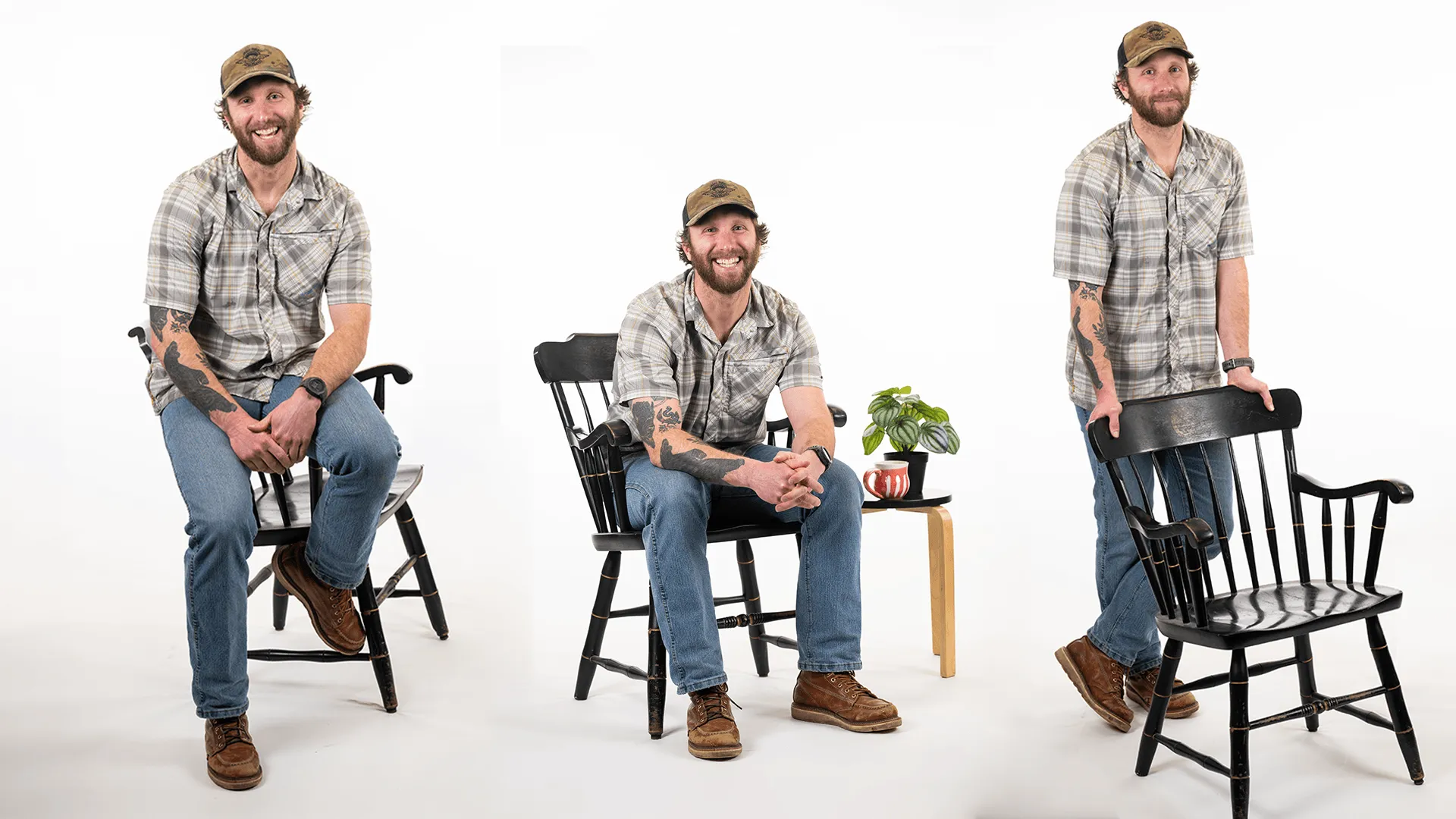
JOSEPH FIORENTINO
Before coming to UVM for grad school, Joseph Fiorentino spent a decade battling wildfires out west as part of an elite federal Hotshot Crew. He jumped out of helicopters, worked 16 hours a day, and insisted that everything was fine.
But he wasn’t fine. After a debilitating health crisis, Fiorentino sought mental health support for the first time, and the effects were profound. When his health improved, he quit firefighting and resolved to become a therapist himself. He wanted to help young men who resisted talking about their feelings.
That’s exactly what he’s doing at UVM. Fiorentino is part of the Catamount Counseling Collective for Rural Schools, a mental health internship program focused on Vermont’s rural schoolchildren. When the program’s funding was abruptly cut last spring, Fiorentino was one of 10 students in the inaugural cohort who made the remarkable decision to continue the work in their placement schools anyway.
Since then, the grant’s principal investigator, Anna Elliott, has worked tirelessly to secure funding from private donors so the CCCRS can guarantee the interns’ stipend through the end of this academic year. This has allowed Fiorentino to work at Hazen Union High School in the Northeast Kingdom.
“The stigma our society has toward mental health is a big thing,” said Fiorentino. “I think that’s exacerbated in rural areas where there’s a strong emphasis on self-reliance.”
Fiorentino experienced that culture of stoicism firsthand as a young man working on a sheep farm in rural Connecticut. Real men don’t ask for help, he was taught. “I was a man who did not believe in any kind of mental health treatment,” he recalled. “When I finally did see someone, it was because my physical health started tanking.”
His doctor had made a surprisingly simple diagnosis: stress.
“If you ever told me a man like me could lose a battle with stress...” Fiorentino laughed in disbelief. “Probably for the first time in my adult life, I cried.”
At Hazen Union High School he’s seizing the opportunity to acclimate boys and young men to the notion that it’s OK, normal even, to need help. Some of the students resist, Fiorentino said, like he once did. “They express resistance in our sessions, but at the same time, they’re being vulnerable,” he said. “I point it out.”
Fiorentino believes his presence in the school makes a difference. “Day by day I’m a stable man in their life and I’m showing up three days a week for them to talk to. I’m not judging them, not telling them how to behave. I’m trying to reach them where they’re at.”
THE MENTOR
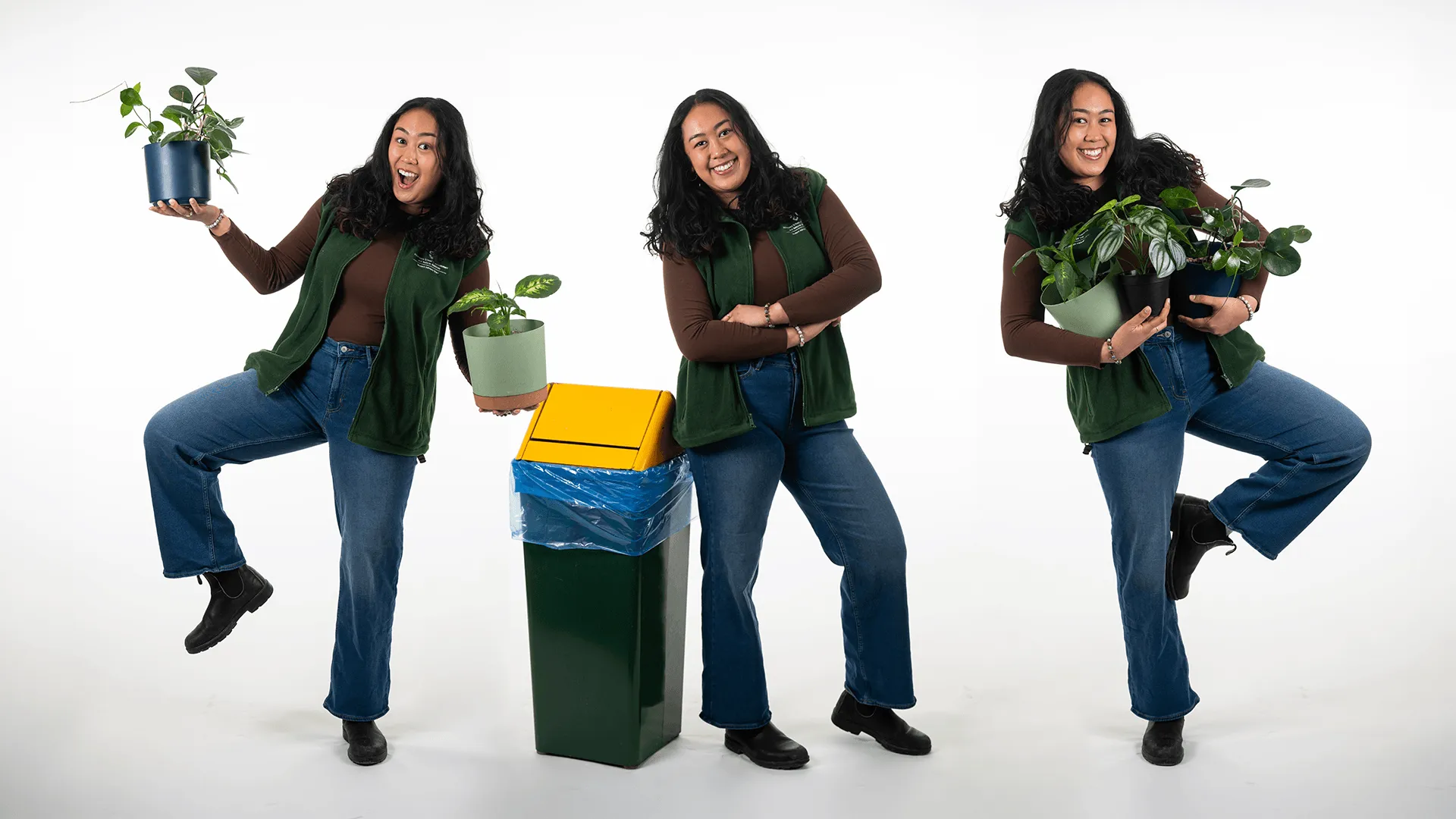
ANDREA FALAR
Starting college isn’t easy. Especially if you’re the first person in your family to go. Andrea Falar ’26 wants to make the transition a little easier for others. As a peer mentor in the Rubenstein School, Falar offers support and advice to first-year students.
“Freshman year is so difficult,” she said. “It’s a scary transition.” It helps to know you’re not alone, so Falar shares what it was like for her when she arrived in Vermont from Union, N.J. as a first-generation Filipino American. “I level with them, and their eyes light up a little bit,” she said.
Falar, a Sustainability, Ecology, and Policy major, is also an eco-rep program lead, facilitating weekly workshops on everything from environmental justice to social and marketing skills. “I’m not only helping my peers table on important sustainability issues, I’m helping shape new leaders in society,” she said.
Falar has achieved a lot in her time at UVM, but her proudest accomplishment is in the RSENR Student Advisory Board where she helped pilot the first coalition tasked with ensuring all students are heard, supported, and included. The Common Ground Committee was enshrined last fall.
“Everyone here is driven and passionate and wants to see each other succeed. That’s what sets us apart. We see a cooperative aspect to success,” said Falar. “I have so many peers here who want to make their mark. UVM gives you the tools for that.”
THE EARLY EDUCATOR
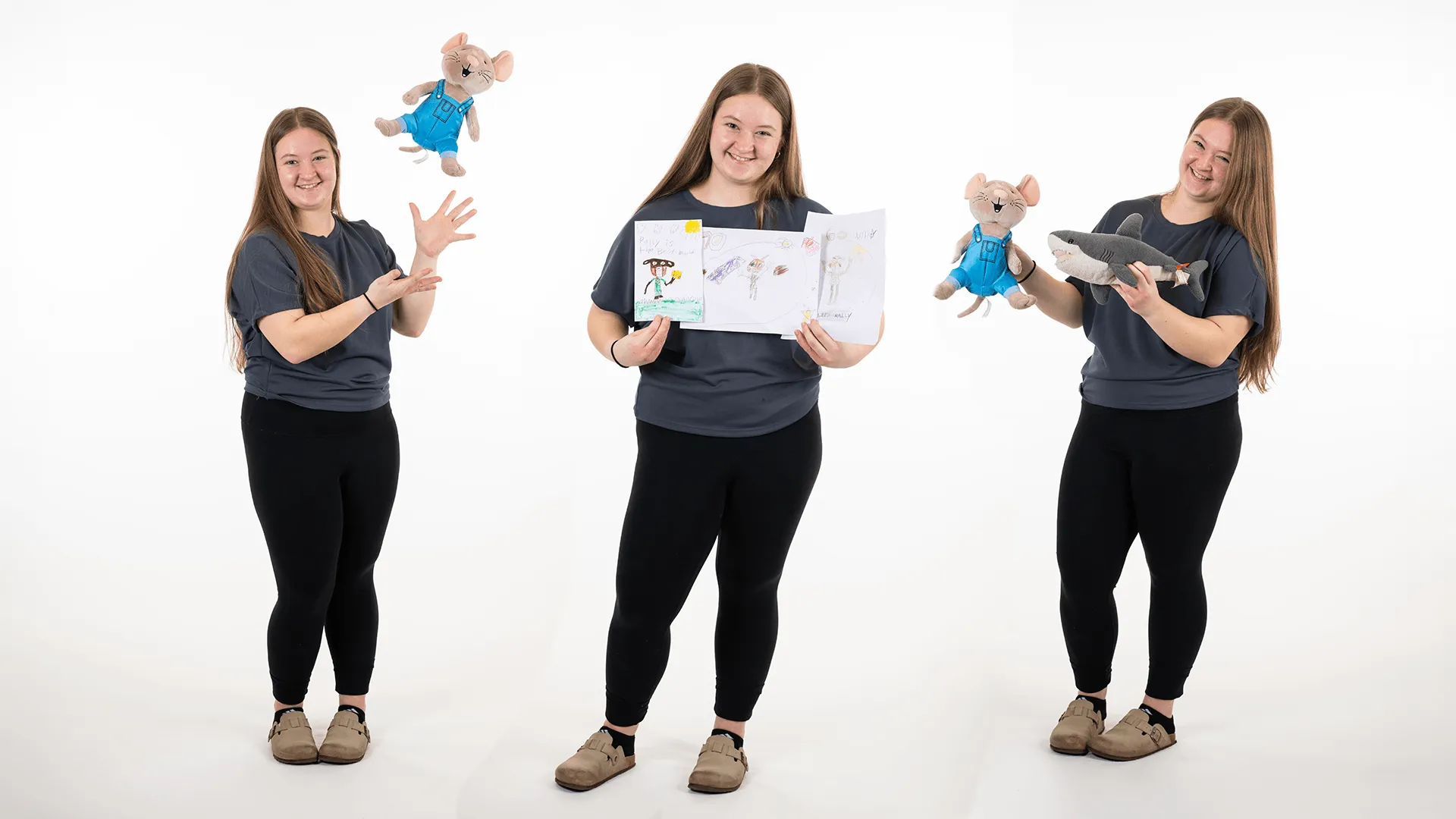
MOLLY CLARK
Molly Clark always wanted to be a teacher — even though school wasn’t always easy for her. Clark is dyslexic, and in her early years there were many teachers she didn’t “mesh well with,” she said. But in high school Clark met Casey Painter, a special educator at her school in St. Albans who “really kind of changed everything for me.”
Painter encouraged Clark, now a first-year Special Education major at UVM, to pursue her wildest dreams. “I had so many other teachers who, you know, told you to just kind of play it safe,” she said. Painter made Clark feel like she could do anything she set her mind to. “I would love to do that for other kids,” Clark said.
Apparently, she’s already doing it. Clark has been teaching at an after-school program in Milton since she was just 16. Last fall she was named the Vermont Afterschool Rising Star of the Year, “for her exceptional maturity, unparalleled dedication to inclusion, and profound ability to connect with and support children and families.”
She loves the families, and she loves the work. “It gets stressful sometimes,” she said about juggling her coursework with her job at the family center. “But then you'll have a kid come up to you and be like, ‘Oh, Miss Molly, this is a picture I drew for you!’ And you're like, you know what? That just made my day. That put everything into perspective.”
THE AMBASSADOR
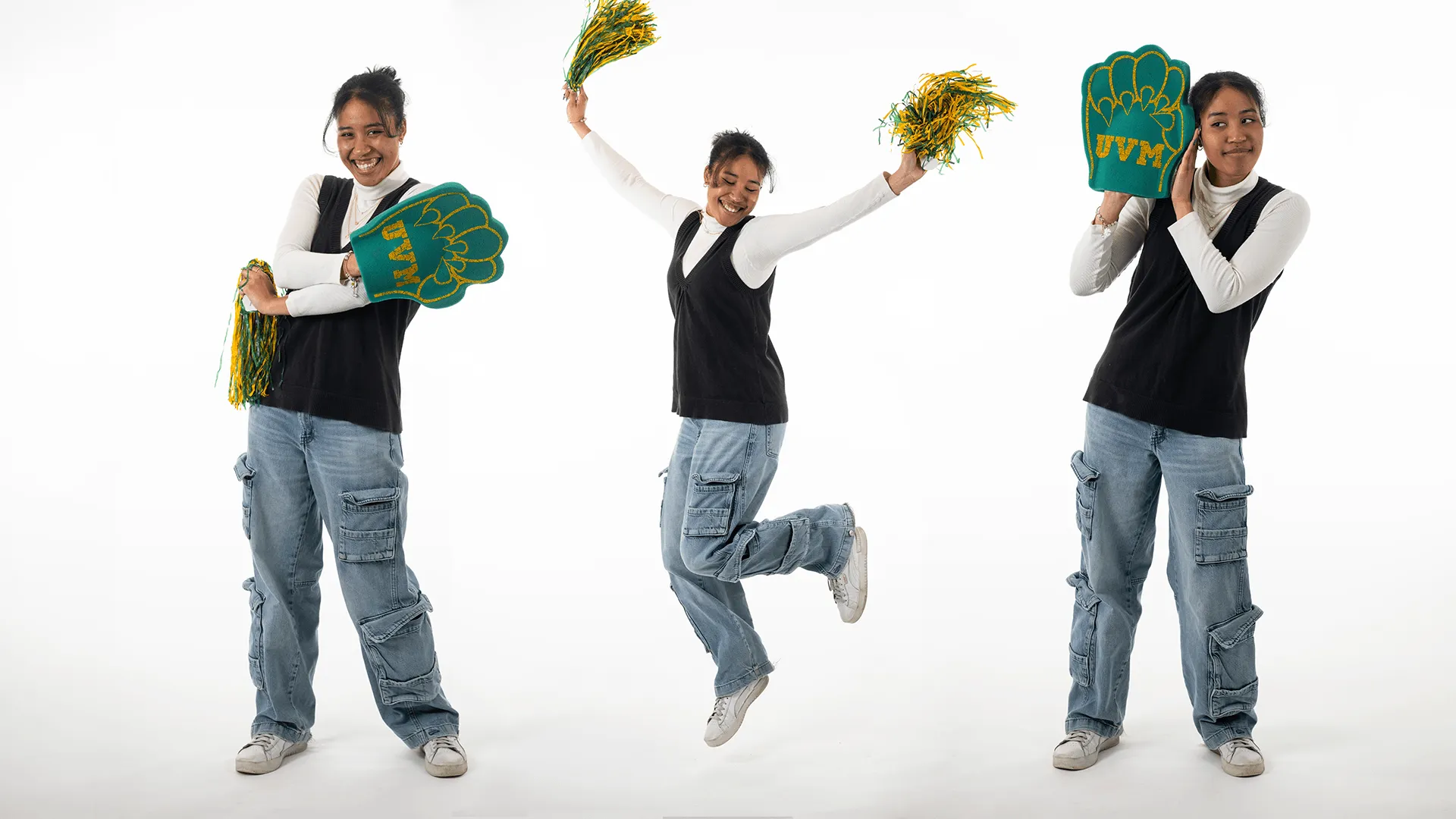
SABELLA IBINYOPAKAKA
Sabella Ibinyopakaka ’26 is making life a little easier for international students — and building an appreciation of Japanese culture at UVM. As an International Ambassador Intern, she guides prospective students from around the world through their journey to UVM.
Her passion for cultural exchange comes from personal experience. Ibinyopakaka isn’t an international student herself, but she grew up in a multicultural home in San Diego. Her mother is Japanese and her dad has African heritage. “I grew up with a lot of different types of perspectives and cultures,” she said, noting that her family was always moving because her dad was in the Navy. Ibinyopakaka spoke Japanese before English.
Before UVM, she often struggled to fit in, she said. Now she sees this experience as a strength. She can use her experience feeling like an outsider to help others.
That’s what she’s done in the admissions office, where she talks to prospective students about what life is like on campus and helps them with application logistics. Ibinyopakaka is also the president of the Japanese Language and Culture Club, which has tripled in size since she first joined. And she’s the director of operations for the UVM Program Board, where she helps to organize major campus events.
Ibinyopakaka wants to continue working in higher ed student administration after she graduates. She said that for her, it’s all about “creating spaces for people who really just need a welcoming and supportive environment.”