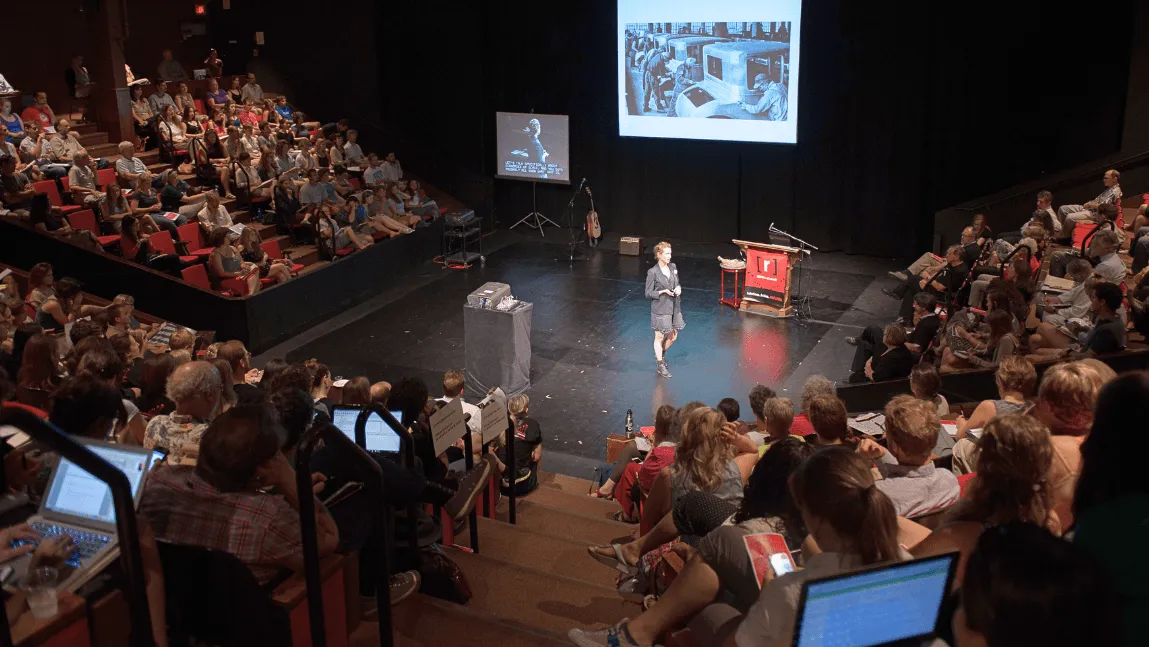
On November 10th, the University of Vermont welcomes back a redesigned UVM Food Systems Summit, hosted by the UVM Food Systems Research Center. This one-day event will provide a convening place for researchers in the field of food systems.
This year's theme for the summit is "Can Collaborative Research Save Food Systems?" Given the numerous pressing challenges affecting food systems, researchers will engage in discussions and share potential solutions through talks, panels, and breakout sessions. “Food systems research has exploded in the past few years,” said FSRC Director Polly Ericksen. “We are so excited to host the summit and hear from a wide range of perspectives about new innovative research.”
The University will also celebrate a milestone moment on November 10th – the ribbon cutting of the Patrick Leahy Building, formerly known as the Joseph L. Hills Agricultural Science Building. This building was recently renovated and will house the FSRC, USDA-ARS Food Systems Research Unit, and the Institute for Rural Partnerships.
The history of the Food Systems Summit dates back over a decade when the Food Systems Initiative (FSI) was established in 2010 as part of the UVM Spires of Excellence transdisciplinary research efforts. Ernesto Mendez, a Professor of Agroecology and Environmental Studies, recalls that "food systems" was a relatively new concept at UVM during those early days.
“Food systems was pretty new at UVM,” said Mendez, one of the FSI steering committee members. “Back then there were skeptics and people asking, ‘What is food systems?’” In 2012, the first Food Systems Summit was organized by FSI members to harness the growing interest in food systems. Over the years, these summits played an important role in developing and promoting food systems research and education at the University and within Vermont.
Cynthia Belliveau, faculty in Nutrition and Food Science, was the lead planner on the inaugural food summit. “The idea was to invite the public in through plenary sessions and practical discourse to gain insight on our nascent concept,” said Belliveau. “We were thrilled with the groundswell of enthusiasm for this spire from farmers to activists to academics worldwide.”
Scholars, leaders, researchers, and students gathered each year for the food summit to engage with important issues in food systems. These summits helped solidify and grow food systems at the University. “The Summit was seen as a way to inform the UVM and Vermont community about why it’s important to look at research, education, and outreach through a food systems lens,” said Mendez.
Alison Nihart, Vermont State Director of the Rights and Democracy Project, was the Assistant to the FSI at the time. She observed how food systems at UVM have evolved since the inaugural summit. “It has gone from a network of faculty who were all sharing interests in food systems to part of UVM’s academic identity now. People associate UVM with doing cool things in food systems.”
This year's summit is scheduled for Friday, November 10th, and while registration has closed, UVM affiliates can still attend virtually. This marks an important moment for food systems at UVM. “We have institutionalized all of it.” said Amy Trubek, Professor in the Department of Nutrition and Food Sciences and an organizer of the summit. “We have educational initiatives. We have the research initiatives. The Food Systems summit provided the space for innovation and collaboration that fueled this important work at UVM.”