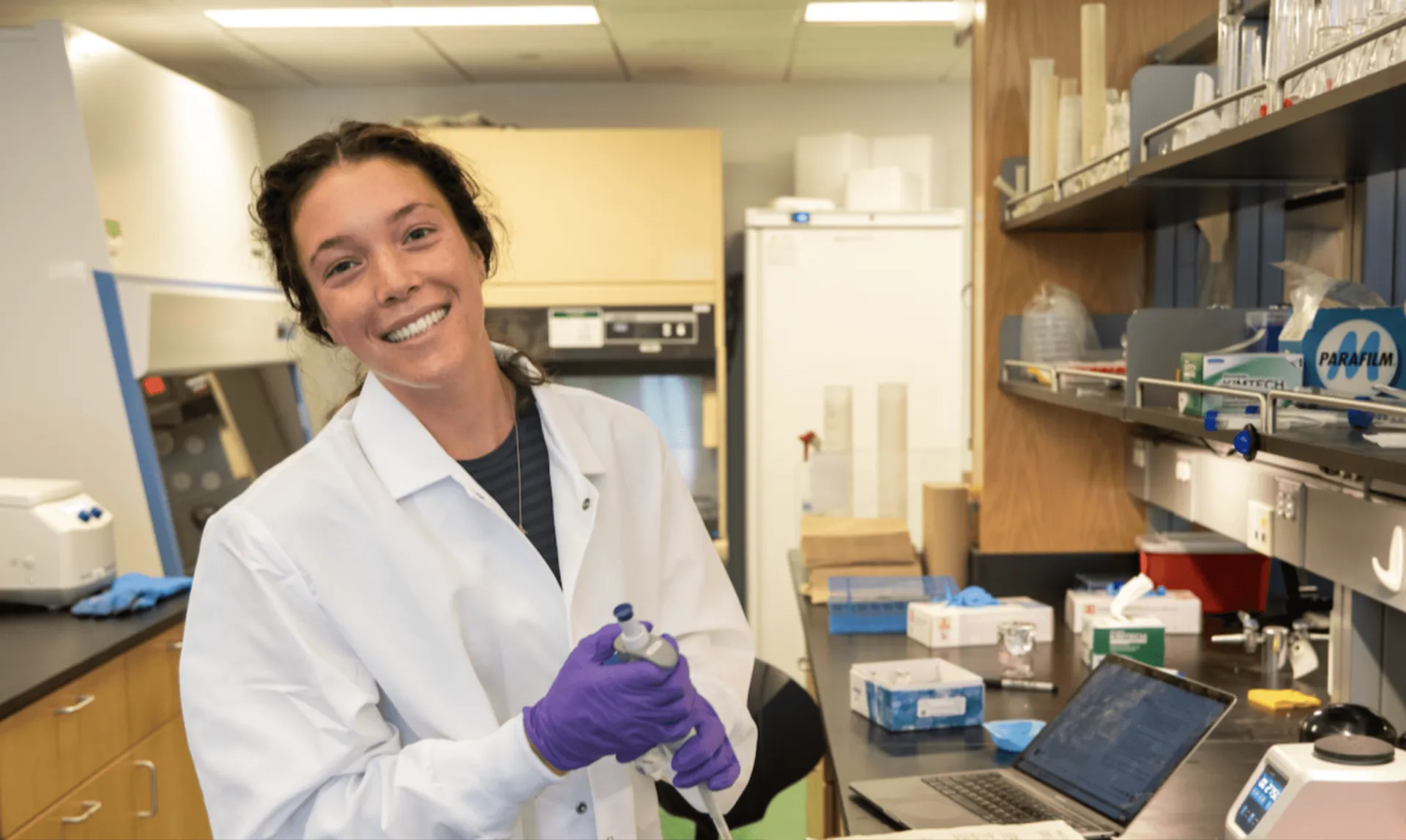
Four undergraduate students who will each receive their diploma at next month’s Commencement ceremony are all leaving with more than their degrees, as they are credited as co‑authors on a newly published, peer‑reviewed study examining how a Western diet combined with binge drinking accelerates liver disease—a notable achievement for undergraduate researchers.
The paper, “The impact of a Western diet and binge drinking on metabolic dysfunction‑associated steatotic liver disease in male and female mice,” was published in Experimental Physiology, an impactful and respected journal in the field. Among the 15 credited authors are senior UVM undergraduates Jake Grenon, Maddy Orlowski, Colby Filosa, and Alanna Sherman, who played hands-on roles in designing experiments, collecting data, analyzing results, and preparing figures.
The study was led by principal investigator, Dr. Chris Skinner, assistant professor in the Department of Nutrition and Food Sciences in UVM’s College of Agriculture and Life Sciences, and his mentee, PhD candidate Ihsan Shawki Akili, who describes why they felt it was important to involve undergrads in their RAMP Lab research and how they designed this study to incentivize student involvement, “I think the college diet aspect drew their attention at the beginning because it is a part of campus life.”
For Jake Grenon, a neuroscience major with a minor in nutrition, who is also pre-med, the study immediately caught his attention. “In the beginning, we called the project ‘the college student study’ in reference to the tendency of college students to eat poorly and drink a lot, and that drew me in. I thought that's such a relevant topic to study. When I talked to Dr. Skinner, he had no plans for the brains but was interested in working with me to expand the research. We came up with a project for me to focus on the neurodegenerative impacts of the Western diet and binge drinking for my undergraduate thesis. My main role in the lab has been running experiments with the brains, but I helped out with other experiments and data analysis too.”
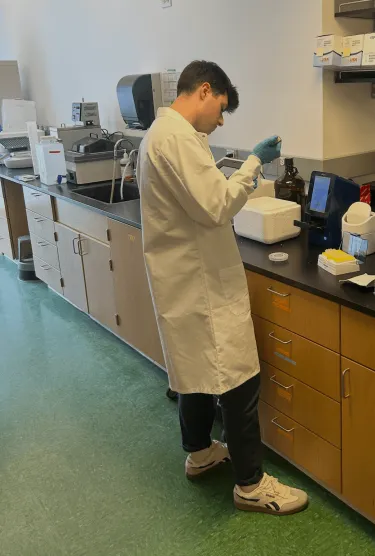
For Alanna Sherman, majoring in nutrition and food science with a concentration in dietetics, also on the pre-med track, the research appealed to her interests as well. She was looking to get involved in research, and when Dr. Skinner talked about his research in her class, she became intrigued. “I always knew I wanted to do research in college, particularly focusing on nutrition and disease prevention, because it’s relevant to a career in healthcare. I wasn't entirely sure if I wanted to do dietetics or go the medical route, so I was interested in a project that had those two things tied together. I thought this project really perfectly integrated my interests.”
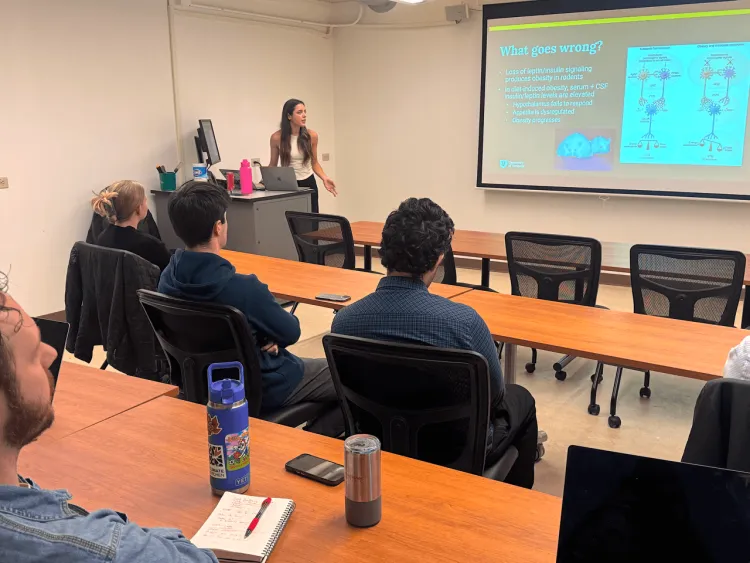
Maddy Orlowski had a similar piqued interest after hearing about this particular research, “All nutrition students have to take Survey of the Field, where all the different professors from the department come in and talk about their background and the work they do. I remember Dr. Skinner’s research on how diet and alcohol impact the liver sticking out to me. I was like, oh, this is really interesting but didn’t email him. However, the next year I had him for Sports Nutrition and did email him at the beginning of the semester to talk about his research. We met and he was like, ‘come by the lab, see how it is, and you can commit however much time you want and we will see if you like doing research.’ I've been working in the lab ever since.”
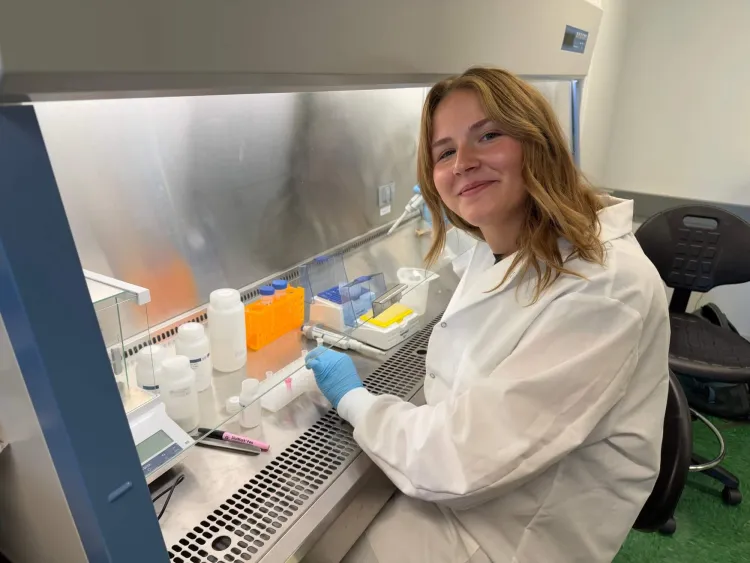
Study What Matters
The study itself addresses a pressing health issue. Metabolic dysfunction‑associated steatotic liver disease (MASLD), formerly known as nonalcoholic fatty liver disease, affects roughly one‑third of U.S. adults, and is projected to be 50% by 2025. It is strongly linked to diets high in sugar and saturated fat. Binge drinking—defined as consuming enough alcohol in a short period to reach a blood alcohol concentration of 0.08%—often occurs alongside these dietary patterns, particularly in young adults.
Using a mouse model, the research team investigated how these two behaviors interact and whether biological sex influences disease progression. They found that a Western diet alone caused significant accumulation of liver fat and oxidative damage in both males and females. However, when combined with binge drinking, male mice showed more pronounced liver injury than with diet alone, while female mice appeared more vulnerable to the Western diet itself.
“Although this project’s main focus was on the interaction of diet and alcohol on liver health, the sex-specific differences are the finding I am most excited about. We are the first group to publish on a Western diet and binge drinking in females, and lots more research on this topic is needed to understand the underlying mechanisms of these sex-specific differences, so we can hopefully develop treatments and strategies to reduce the burden of disease,” says Skinner.
Dr. Ihsan Shawki Akili who has a Doctor of Medicine degree from the University of Aleppo in Syria and two master’s degrees—one in Public Health and one in Public Health in Emergencies and Disasters—brings an enormous amount of professional experience and rich intercultural exposure to his research and to his role as mentor. “The most important thing is project ownership, because if an undergrad joins, but doesn't feel they belong here, they don’t feel a commitment to work or a motivation to continue working. I think something important research offers to students is that making mistakes is not the end of the world—it’s a valuable part of learning and growth. We keep extra samples just in case to ensure students have the ability to learn and make those mistakes and try again. The whole lab culture is focused around helping the students learn, and I formulate my lab schedule around their times. This also helps make sure the experiment always gets done. Let’s say a student begins an experiment but has something come up or they have class and the experiment took longer than we expected. I can step-in and continue the experiment and discuss the results with the student later. It is important they get to be a part of the research process from start to finish.”
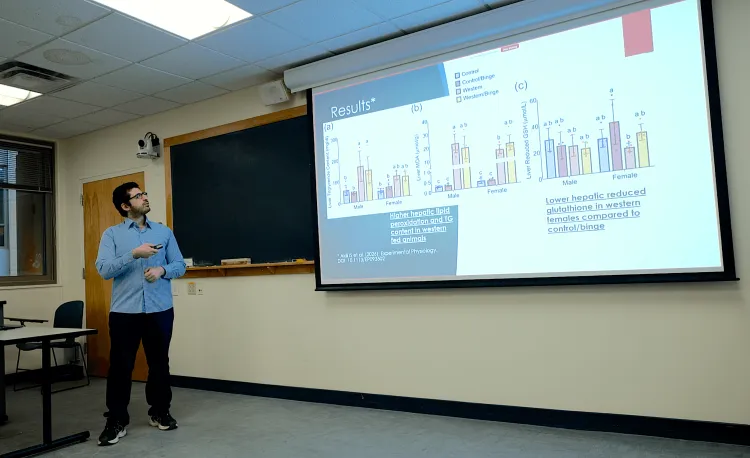
Undergraduate authorship on peer‑reviewed biomedical research is relatively rare, particularly in complex animal studies that span nutrition science, physiology and disease pathology. In this case, the students worked alongside graduate students as researchers in Skinner’s laboratory
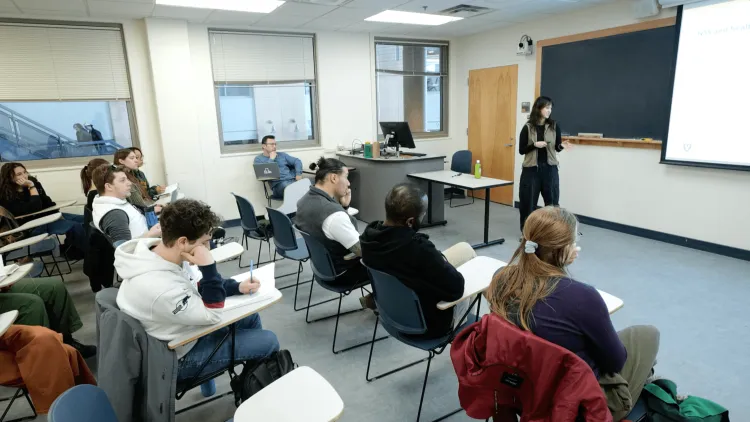
Skinner explains his philosophy for creating a collaborative and productive lab environment: “We rely on undergraduate students heavily in our lab, and I trust my graduate students to be mentors to these students. I think something we do a good job at is sharing the workload of our various projects. This paper is a major focus of Ihsan’s dissertation, but my PhD student Corina Miko (Animal Biosciences) and my MS student Mel Wetzel (Nutrition and Food Sciences) played major roles in this project. The work we do is very labor- and time-intensive and I am thankful we have such wonderful students at UVM who want to be involved and are unafraid of a challenge. Beyond just working in the lab, the students contribute intellectually as well. Two of the students on this paper, Jake and Alanna, conducted Undergraduate Theses and their work contributes to our research direction. Every student who works with us makes a difference.”
The study credits Filosa, Orlowski and Sherman with helping conduct experiments, analyze data and prepare figures, while Grenon contributed to experimental work and data interpretation. Their involvement culminated in co‑authorship on a paper that will be read by researchers and clinicians worldwide. For these undergraduate co-authors, the experience offered far more than a line on a résumé. It provided real‑world exposure to how science unfolds—through trial, error, collaboration and meticulous documentation.
All the undergrads rave about the close-knit culture of the lab group and how amazing Dr. Skinner and his PhD students have been in terms of mentoring them.
Colby Filosa, who was one of the first undergrads to join the RAMP lab when it was established describes Skinner’s mentorship as invaluable, “I feel like Chris has done an amazing job creating a community through our lab and I've like made so many friends because of the lab. We're all going to Minnesota in a couple weeks to present at the American Physiology Summit and I can’t wait to spend time with my lab mates at a national science conference. I think being a part of this lab has made learning and doing research fun. We do like activities together and we will get food together. Our lab meetings are always fun and helpful. I know a lot of people haven't gotten to experience or be involved in undergraduate research, but for me I feel like it's added a whole other layer to my academic journey.”
“Chris is always around, and I ask him questions all the time. I literally have an acknowledgments page in my thesis that reads: Thank you Chris, for the hundreds of questions you've answered for me these last three years. We have a lot of undergrads in our lab, and he's been able to create a cool community. It’s definitely been an amazing learning experience. We all know we can lean on each other, and the graduate students can help us a lot too. Now that I'm a senior, I can help other people in the lab as well such as some of the younger undergrads, and that's been cool to be able to do,” says Grenon.
Sherman summarizes the benefit to her this way, “I think research teaches you a lot about problem solving. A lot of the results in my research were not what I expected to see, which is often the case in science and learning in general. The skills in how to make those connections and solve new problems, rather than just learning what's in the textbook and taking a test, have been a great experience. It is a lot more enriching when you get to do the science yourself, especially doing something that you're interested in. I was really fortunate to find a lab that I'm really, really interested in, because it adds a lot to the learning experience.
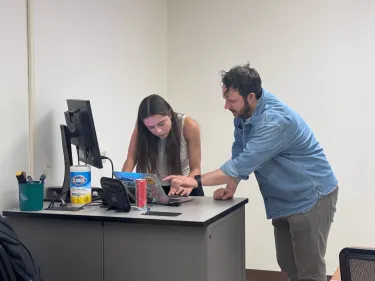
Skinner emphasized that the students’ success reflects UVM’s broader commitment to integrating undergraduates into high‑impact research early in their academic careers, “Getting involved in research is the best way for a student to immerse themselves in the learning process and UVM is great at providing structured avenues for students to get involved. They get to take what they learn in their classwork and apply it to help solve real-world problems. This project and my lab would not function without undergraduate students and every single student who works with us is invaluable to the work we do. I cannot praise my undergraduate and graduate students enough, because they do the majority of the research labor and are major contributors intellectually as well.”
Beyond the graduate students and four seniors helping to lead the work, contributions were also made by juniors Alec Thibeault and Cate Young, alumnus Virginia Clubb, Madison Wan, a Vermont Biomedical Research Network student who recently graduated from Landmark College, and Aldi Chan, a second-year med student in the Larner College of Medicine.
From Classroom to Professional Peer-Reviewed Publication
As the health impacts of diet and alcohol continue to gain national attention and are of practical concern on college campuses, the findings from this study add to a growing body of evidence linking lifestyle patterns to liver disease risk.
Just as importantly, the publication highlights the role undergraduates can play in generating that knowledge. For Grenon, Orlowski, Filosa and Sherman, the experience represents a milestone—one that underscores the value of experiential learning and mentorship at a research university.
As Orlowski shares, “I felt a little giddy about it, to see my name on something I contributed to and to tell people about the research I worked on. It feels rewarding the work we did is out there and people can gain something from it. The thought of people being able to use our research to inform themselves about how these lifestyle factors impact health and that other researchers can build on what we found is something I am proud of. It was my first time having like my name on a paper and I actually really did a good amount of stuff with what was published, which is a nice feeling.
For Grenon this is the second time he has worked on undergraduate research that has listed him as a co-author on a published paper. His first publication was a study looking at the neural pathways of fruit flies in the lab of Molly Stanley, Assistant Professor of Biology. “It's a really special opportunity that we have at UVM. If you're proactive, you can be involved in like some cool stuff and not a lot of students get opportunities like this. Our paper is going to be out there forever. Our names are on that forever. So, I'm pretty grateful for Chris allowing me to be part of this project.”
Filosa feels both pride and nostalgia, “Obviously, a major goal of research is to publish, and for me it's very special because I started with Chris when his lab was new and I saw the whole process kind of happen. That first summer, we started from nothing, and then, all of a sudden, we had this publication a couple of years later. We have a weekly lab meeting where we discuss what everyone's doing in the lab, and that's cool because the paper is kind of watching all of it come together. It's rewarding and surreal. I mean, we read papers like ours in class, but now maybe someone will be reading a paper I’m an author on in their class.”
For Filosa, the research experience has changed her career trajectory. While working with Dr. Skinner, she also did some work in the UVM Climate Kitchen where she learned she has a passion for food science. She was able to get an internship expanding her skills in the area thanks to Nutrition and Food Sciences faculty Dr. Todd Pritchard and after graduating, she will be joining the lab of Dr. Fatemeh Zare, Assistant Professor of Food Science, as a master’s student.
Sherman and Grenon are both taking a gap year before going to medical school, and Orlowski is going to stay on to work with Dr. Skinner, continuing a project she started her senior year, observing how different sweeteners and alcohol affect health. Skinner is very proud of these students’ accomplishments and contributions to the research. “I am, of course, excited we published this paper and are conducting research I believe is important, but getting to involve so many students in the process is my favorite thing about it all. This paper really speaks to the strength of our students, as well as the institutional support for undergraduate research and the collaborative nature here at UVM. Students working on this project received funding from the College of Agriculture and Life Sciences, the Food Systems Research Institute, the Woodworth Prize, the Fellowships, Opportunities, and Undergraduate Research office, and the Vermont Biomedical Research Network. My collaborators and fellow faculty members, Dr. Azhar Saeed and Dr. Matthew Caporizzo, were essential to our completing this work. This support and collaboration are critical to doing research and allowing our students to conduct impactful work.”
Akili offers the following advice to other undergrads seeking to gain research experience: “First, to identify what they're interested in and view research as an opportunity to explore those interests. Second, make time for the work, and it can be really rewarding. Lastly, know that you don’t need to be a lab expert to do research. Having previous lab skills, like pipetting, will help, but we can teach you, and you can help make an impact.”