The space replicates a real home, with a functional kitchen, bathroom, bedroom, and living areas, each outfitted with adaptive tools and technologies to support seniors and individuals with disabilities.
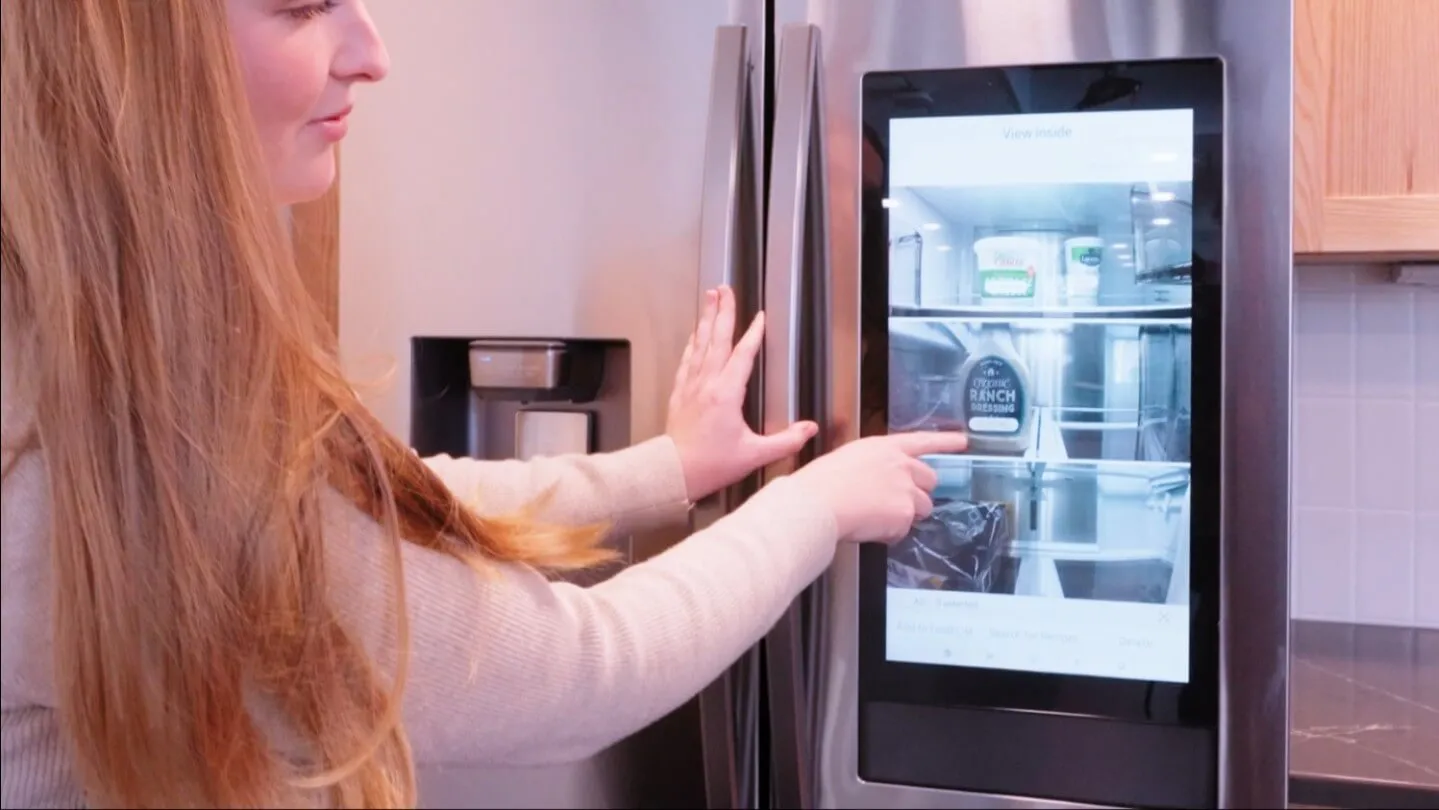
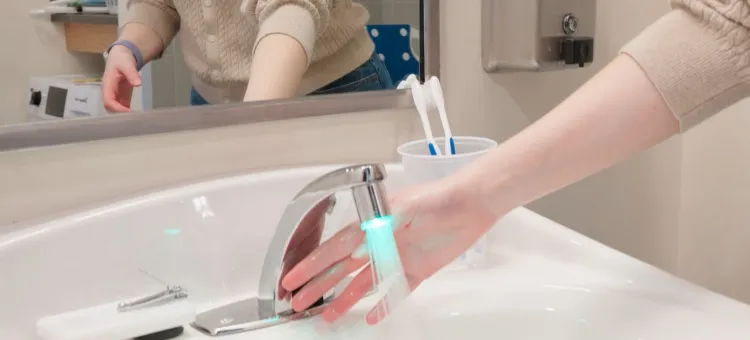
Part classroom, part lab, and part community resource, the apartment gives students and clients hands-on opportunities to explore practical solutions for accessibility and long-term independence. From smart home systems to simple, low-cost assistive devices, the space features voice-activated lighting and appliances, smart outlets, a self‑inventorying refrigerator, adjustable countertops, pull-down shelving, a lift chair, and straightforward tools such as large-print materials and adaptive utensils. Design elements include a bathtub with a removable entry gate, a shower with a built-in dryer, high‑contrast flooring, and taps that indicate water temperature.
Program Director Victoria Priganc created the space in partnership with Vermont organizations that support independent living to ensure the apartment functions both as an innovation hub and a training center where students learn to meet evolving client needs.
“I was very intentional about including high-tech and low-tech solutions to improve quality of life and the ability to live independently,” Priganc explains. The mix of budget-friendly and advanced options reflects her goal of showing that meaningful improvements don’t have to be expensive.
“We wanted to show a range of possibilities to improve daily living, and many of the budget-friendly options can significantly impact quality of life.” — Victoria Priganc, UVM Occupational Therapy Program Director
Another feature of the apartment is the Vector gait and safety system, a ceiling‑mounted harness that allows clients to practice moving safely around the space while they rebuild confidence, balance, and strength. Supported from above, individuals can walk from room to room, practice sit‑to‑stand movements, or perform kitchen tasks without risk of falling. At the same time, students learn to evaluate a client’s needs and progress—critical clinical skills—and benefit from learning to use the system before they encounter it in clinical settings.
Advancing Innovative, Patient‑Centered Care
Occupational therapy (OT) helps people engage in meaningful everyday activities, and UVM students begin developing the skills to support clients in the smart apartment during their first semester, a strategy that complements their classroom learning, simulation-based training, and fieldwork experiences.
Student Anna Biziukova, a UVM alum with degrees in exercise science and psychology, is part of the first occupational therapy cohort to use the smart apartment.
“As occupational therapists, we want to ensure people are as safe and independent as possible,” Biziukova says. “When someone comes into the smart apartment and starts sharing what’s challenging at home, I feel a lot of compassion and listen carefully to each individual, as everyone has their unique values, routines, abilities, and environment. Maybe they can’t reach a light switch or close the blinds. Maybe they’re worried about forgetting to turn off the oven or afraid of falling.”
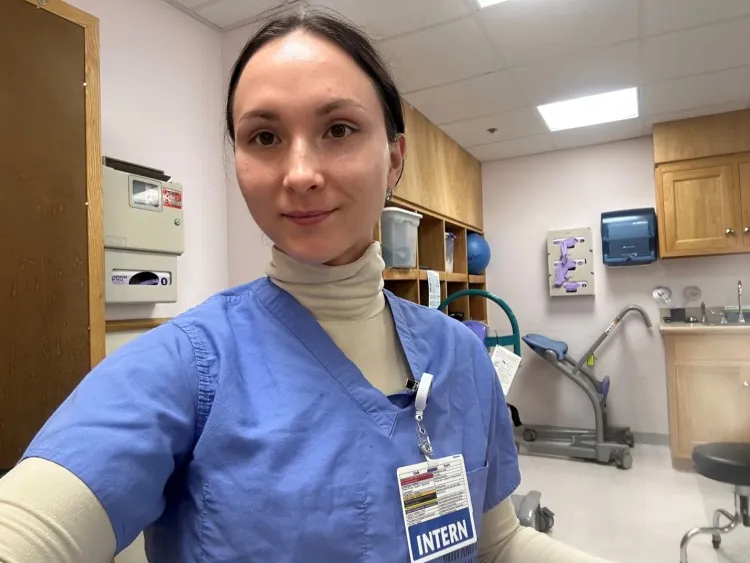
Students are able to assess clients the moment they enter the space.
“When people walk in, my approach is: How can I make this person feel comfortable in their own home? How can I help them feel confident, support independence, and empower them?” says Biziukova. “Home should feel like a safe place.”
“Then you start a conversation: You learn what they do and what’s difficult for them. If grip strength or fine motor skills are compromised, you consider what tasks might be affected. In the kitchen, for example, we have adaptive utensils, special knives, writing tools, and even a rolling laundry basket so it doesn’t need to be lifted.”
Clients are often surprised by the variety of available aids in the apartment.
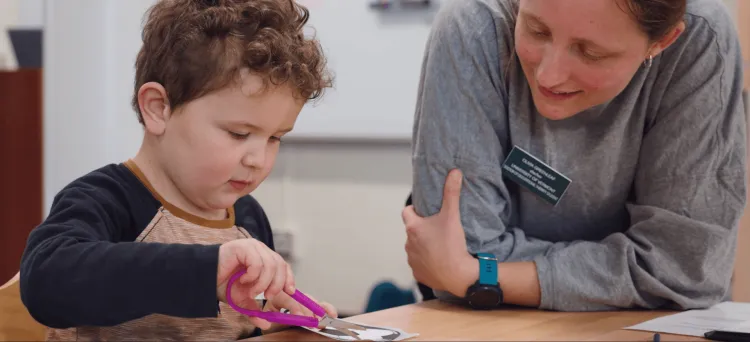
“In the bedroom, we have equipment that helps people get in and out of bed,” Biziukova explains. “The bathroom has a bidet and a dryer in the shower, so there’s no need to towel off.” The refrigerator and microwave can be controlled through a smartphone app. Counters adjust up or down, and overhead shelves lower for easy reach. Drawers and cabinets hold utensils and cookware adapted for a wide range of needs. Adapting to new technology can sometimes seem overwhelming to clients, Biziukova says, and that’s where another benefit of occupational therapy comes in: “Relying on something new can be intimidating, and that’s where our support as occupational therapists can make the transition easier.”
In addition to the smart apartment’s features, the lab includes other technologies that support innovative rehabilitation. Adjacent to the apartment setting is a large, illuminated display, essentially a giant digital tablet, that’s used to assess motor and cognitive skills while clients play interactive games. “You stop thinking of adaptive technology as separate. It’s about matching device features to a person’s needs and daily life,” says Biziukova. “Most people don’t come with just one problem. They come with multiple limitations, and we brainstorm and demonstrate what can help.”
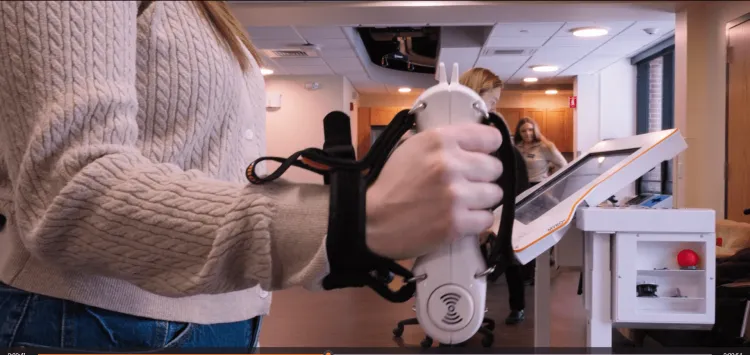
The occupational therapy students bring unique perspectives to the program that stem from their personal experiences, inspiring creative collaboration as they prepare for clinical work through realistic, hands-on scenarios. “The smart apartment experience is in-depth,” Biziukova says. “It’s not just working toward your own grade. You’re learning to be part of a team that supports an entire community.”
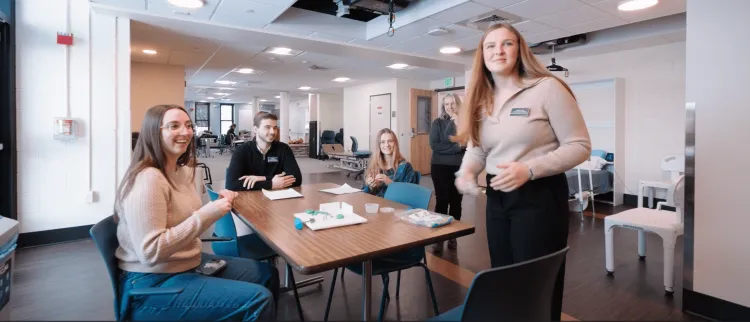
Fostering Interprofessional Collaboration
Clinical faculty member Ann Marie Feretti co-teaches a therapeutic interventions course alongside UVM’s Physical Therapy (PT) rehabilitation technology class. In the smart apartment, students from both programs work together to explore how technology can support patient care, giving them an early and meaningful interprofessional learning experience. Because OT and PT students approach the same environment with different priorities—such as mobility, fall prevention, dressing, bathing, cooking, and environmental adaptations—Feretti says the space is ideal for collaborative problem‑solving.
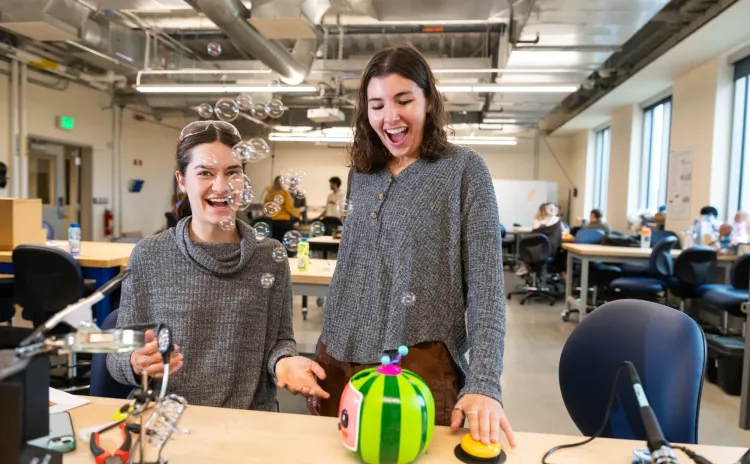
Occupational therapy students also partner with peers in engineering and integrative health programs to design creative solutions that address clients’ needs. “Technologies are developing rapidly, becoming more user‑friendly and affordable,” Biziukova says. “Engineering students can build things, and OT students understand what clients need and how the features of a device can support individuals in daily tasks. Together, we can create anything from adaptive utensils to custom 3D‑printed tools.”
Strengthening Community‑Focused Practice
Through partnerships with organizations such as Cathedral Square, Vermont Assistive Technology, and the Vermont Association for the Blind and Visually Impaired, OT students conduct home assessments and recommend modifications for older adults and individuals with disabilities across Vermont. Recommendations range from simple solutions like 3D‑printed key-turning devices, replacing rolling kitchen chairs, adding non‑slip rug backing, and installing nightlights, to broader accessibility improvements. Many of these interventions are low‑cost yet significantly reduce fall risk and support aging in place.
The program also pairs occupational therapy students with participants in Think College Vermont, which provides college experiences and career pathways for students with intellectual and developmental disabilities. In their coursework, occupational therapy students learn a variety of assessments and intervention strategies to support the development of independent living skills. They then collaborate with Think College participants to establish individualized goals and use the smart apartment as the primary setting for their sessions. Projects have included building cooking skills, learning to do laundry independently, and gaining confidence in navigating the campus bus system.
In addition, the Occupational Therapy program hosts a fall open house, inviting community members to explore the smart apartment and try out a wide range of assistive equipment.
“We want people to live longer, safer, happier lives in their own homes, and the OT students help make that possible.” — Cathie Cassano, Cathedral Square Community Engagement Specialist
Envisioning Accessible Living Across Vermont
Looking to the future, Priganc is exploring a partnership to showcase Wheel Pad, an accessible modular dwelling that attaches to an existing home. She hopes to take it on a statewide roadshow to demonstrate solutions that improve independent living.
“I think our program is multiple steps ahead,” Biziukova says. “Now in clinical work, I have so much knowledge that I gained from experiences in the smart apartment about adjusting the environment, available devices and their functions, and most importantly, interaction with clients to understand what is important for them. I’ve grown professionally, and I’ve expanded my toolbox with strategies to help people improve safety and independence at home.”
Combining advanced technology, community partnerships, and hands‑on learning, the smart apartment prepares students to meet Vermont’s growing demand for occupational therapy services. Graduates leave confident, prepared, and ready to serve communities in Vermont and beyond.