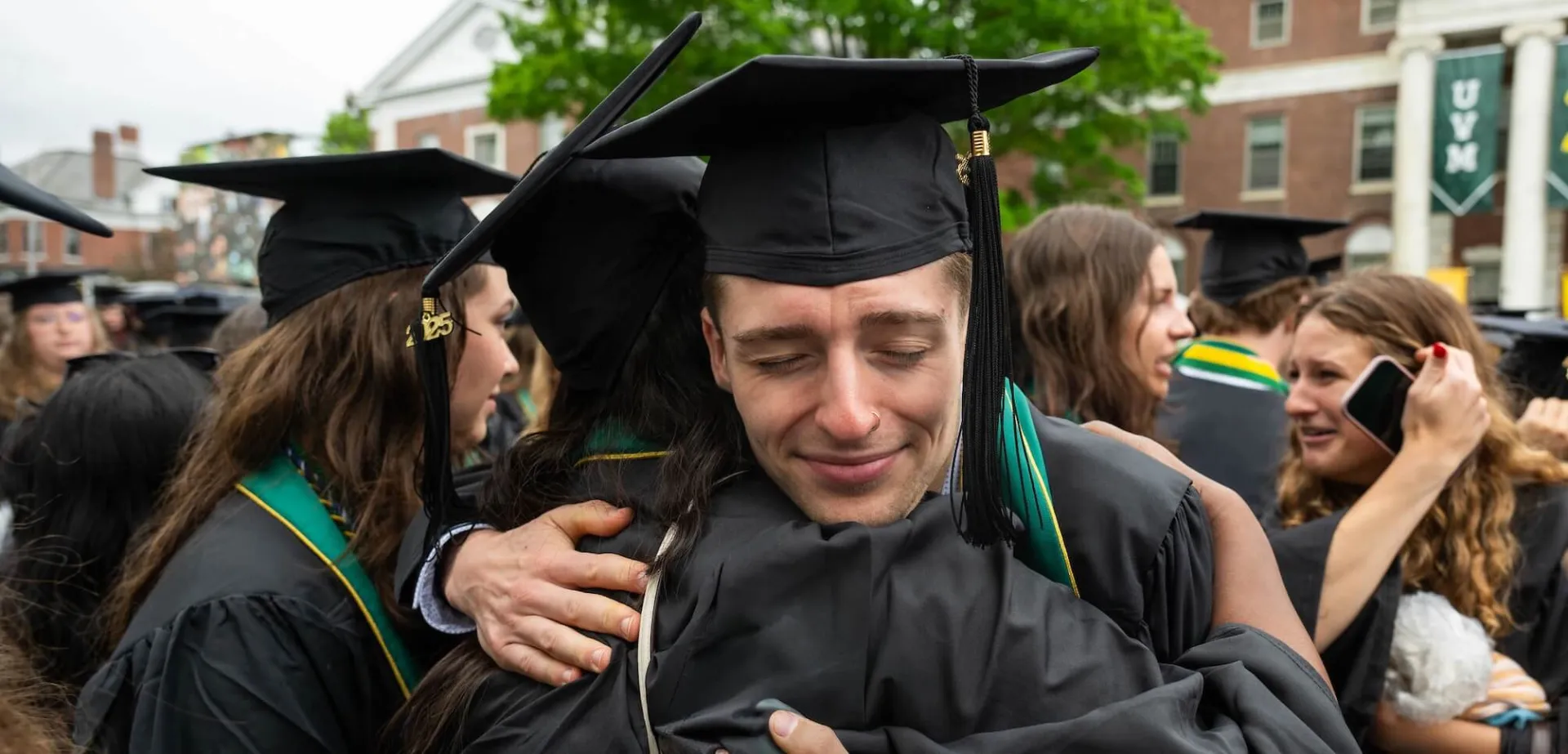
The CNHS Class of 2026 has prepared for careers across a range of health care disciplines, including nursing, radiation therapy, medical laboratory science, exercise science, public health sciences, and communication sciences and disorders. They share a common purpose to improve health outcomes, expand access to care, and strengthen the well-being of communities. Now, they are ready to receive their degrees and begin making a difference in clinics, hospitals, laboratories, and public health settings both near and far.
Here, a few of the graduates who will cross the stage this weekend share what defined their time at CNHS.
From Trail to Triage
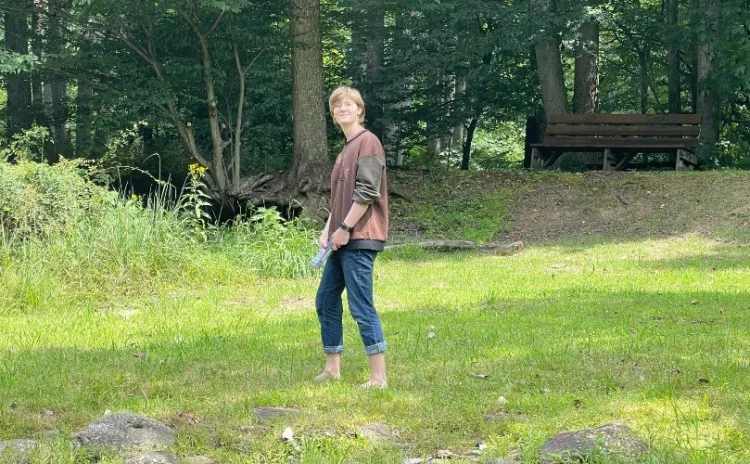
The strength of the nursing program, combined with the University of Vermont’s deep connection to nature and wilderness, first drew Olive Brown to UVM. While applying to colleges in high school, Olive was planning a thru-hike of the Appalachian Trail, and UVM’s setting and values felt like a natural fit, both academically and personally.
“In nursing, we really hit the ground running with in-hospital clinical experience once junior year rolls around,” says Olive. “That kind of hands-on practice is the best education you can get. It builds confidence and gives you a real glimpse of what your work will look like in the field.”
This approach builds a strong foundation, fostering confidence while offering an authentic view of nursing in practice. One of the most impactful courses for Olive was Public Health Nursing, which explores upstream factors that shape health and the critical role nurses play beyond hospital walls. Inspired by Dr. Teresa Graziano’s passion and ability to connect course material to current events, Olive developed a strong interest in public health—one that led them to become a CPR instructor for their clinical practicum.
“Being a CPR instructor was a big development opportunity for me,” Olive says. “Up to that point, my clinical experience had mostly been in the hospital, interacting with patients one-on-one. Suddenly, I was standing in front of a class of strangers teaching CPR. It was definitely a new experience—but one I loved and wanted more of.”
Olive’s time at UVM refined an already strong sense of purpose. The program reinforced their commitment to nursing while encouraging exploration of new interests. After graduation, they plan to pursue a nursing position, ideally in oncology.
Capstone to Classroom Abroad
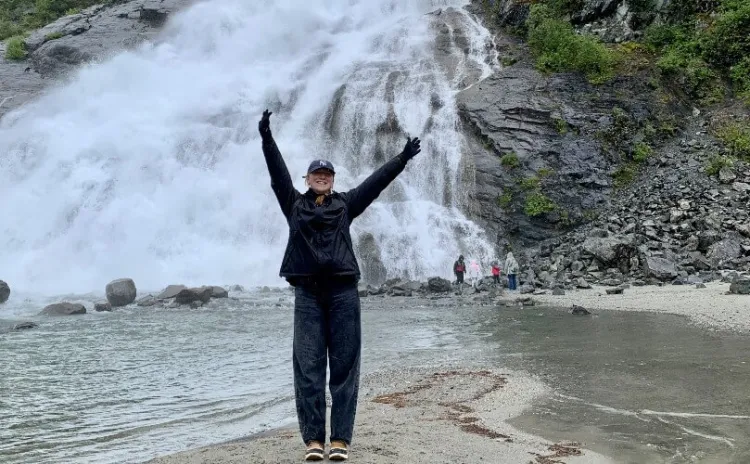
“I always knew I wanted to pursue a career in health care, but the faculty and coursework in communication sciences and disorders solidified my goal of becoming a speech-language pathologist in a school setting,” says Savannah Rijkse.
At UVM, Savannah’s academic experience emphasized professional, clinical, and social communication through coursework, clinical observations, and collaborative discussion. For her senior capstone, she participated in a service-learning research project with the UVM Justice Research Center and the Prison Research and Innovation Network (PRIN). Working with her capstone partner London Sinclair and the PRIN team, Savannah helped develop educational materials to increase transparency and understanding of prison systems. The experience broadened her perspective on the intersection of incarceration and health.
Living both on and off campus, along with studying abroad in Costa Rica and Ireland, strengthened her adaptability and cultural awareness. Faculty mentorship and a supportive program structure played a central role in building her confidence and clarifying her career goals.
“I have adapted to new experiences, living situations, and cultures,” she says. “I feel confident in my ability to adjust to new situations effectively.”
With strong communication skills and a wide range of experiences, Savannah is well prepared for her next step: serving as a Fulbright English Teaching Assistant in South Korea beginning in January 2027.
Driven to Make a Difference
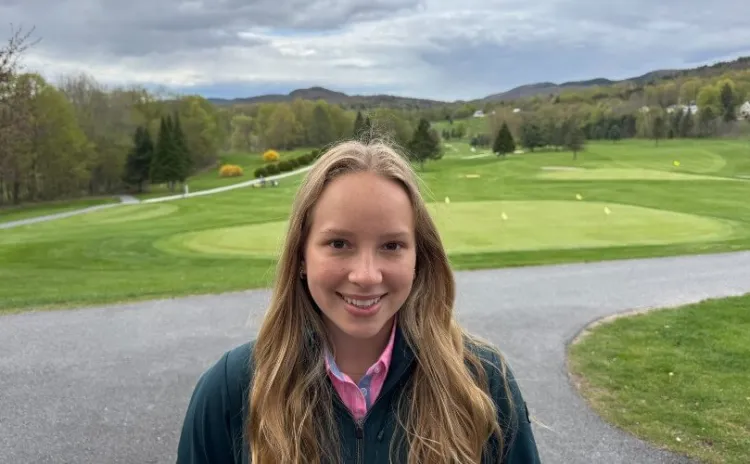
When Shayenne Tomasik arrived at the University of Vermont, she was looking for more than a strong academic program, she wanted a place that would challenge and support her while helping her find direction. UVM stood out for its close-knit Exercise Science program, hands-on research opportunities, and access to clinical settings, all within Burlington’s active, outdoor community.
She found a collaborative environment where professors were approachable and peers supported one another. A defining moment came in Dr. Jeremy Sibold’s Sports Psychology course, where his enthusiasm inspired her to pursue research. She later joined his lab, studying the connections between screen time, physical activity, substance use, and adolescent mental health. With his mentorship, she earned an undergraduate research grant and presented award-winning work at a regional conference.
Shayenne expanded her experience in Dr. Boyi Dai’s Biomechanics Lab, where she led a project on balance recovery and fall prevention while contributing to additional studies. Beyond research, she served as co-president of the Exercise Science Club and volunteered with the Unified Fitness Program, supporting individuals with disabilities.
Through these experiences, Shayenne built confidence and developed a strong foundation in patient-centered, collaborative care. After graduation, she plans to take a gap year to gain clinical experience before pursuing medical school.
Bridging Generations
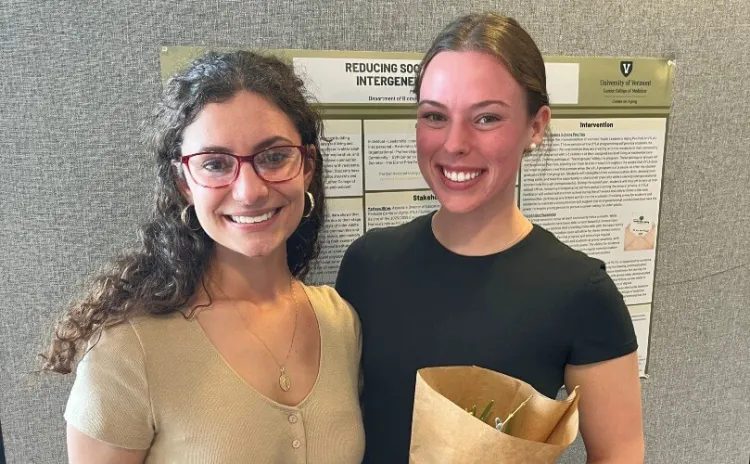
For Gabriella Anticevic and Mia Cullen, their Public Health Sciences capstone project became more than an academic requirement; it helped shape their future paths in health care.
Partnering with Vermont Youth Leaders in Aging, Gabriella and Mia coordinated intergenerational visits between high school students and older adults. Through shared activities such as games and conversation, these gatherings fostered meaningful connections. They improved well-being for both seniors and teens while encouraging younger participants to engage more thoughtfully with aging populations.
They also witnessed the power of human connection and gained a deeper understanding of compassionate, patient-centered care. Just as importantly, their work helped shift perceptions by demonstrating that working with older adults is both meaningful and rewarding. This transformative experience is shaping their next steps. Both plan to pursue graduate education: Gabriella in nursing, with a focus on hospice care, and Mia as a future physician assistant. Each is committed to improving quality of life for underserved populations.