Advancing Health Through Research and Collaboration
The College of Nursing and Health Sciences (CNHS) Research Series showcases innovative research from faculty across rehabilitation and movement science, nursing, biomedical and health sciences, and communication sciences and disorders. These presentations bring together students, clinicians, researchers, faculty, staff, and community members to explore emerging discoveries, exchange ideas, and foster interdisciplinary collaboration.
Featured Presentation
Authentic Language Assessment of Children in the Digital Age
Authentic assessment is both less contrived and less culturally loaded than standardized testing for diagnosing a language disorder. In this talk, Dr. Woolpert will examine different kinds of diversity, evaluate different methods of diagnosing language, and identify advantages and disadvantages of using large-language model chatbots (commonly referred to as artificial intelligence) in clinical practice.
Event Details
- Date: Friday, October 16, 2026
- Time: 12-1 p.m.
- Location: Stafford Hall, Room 101
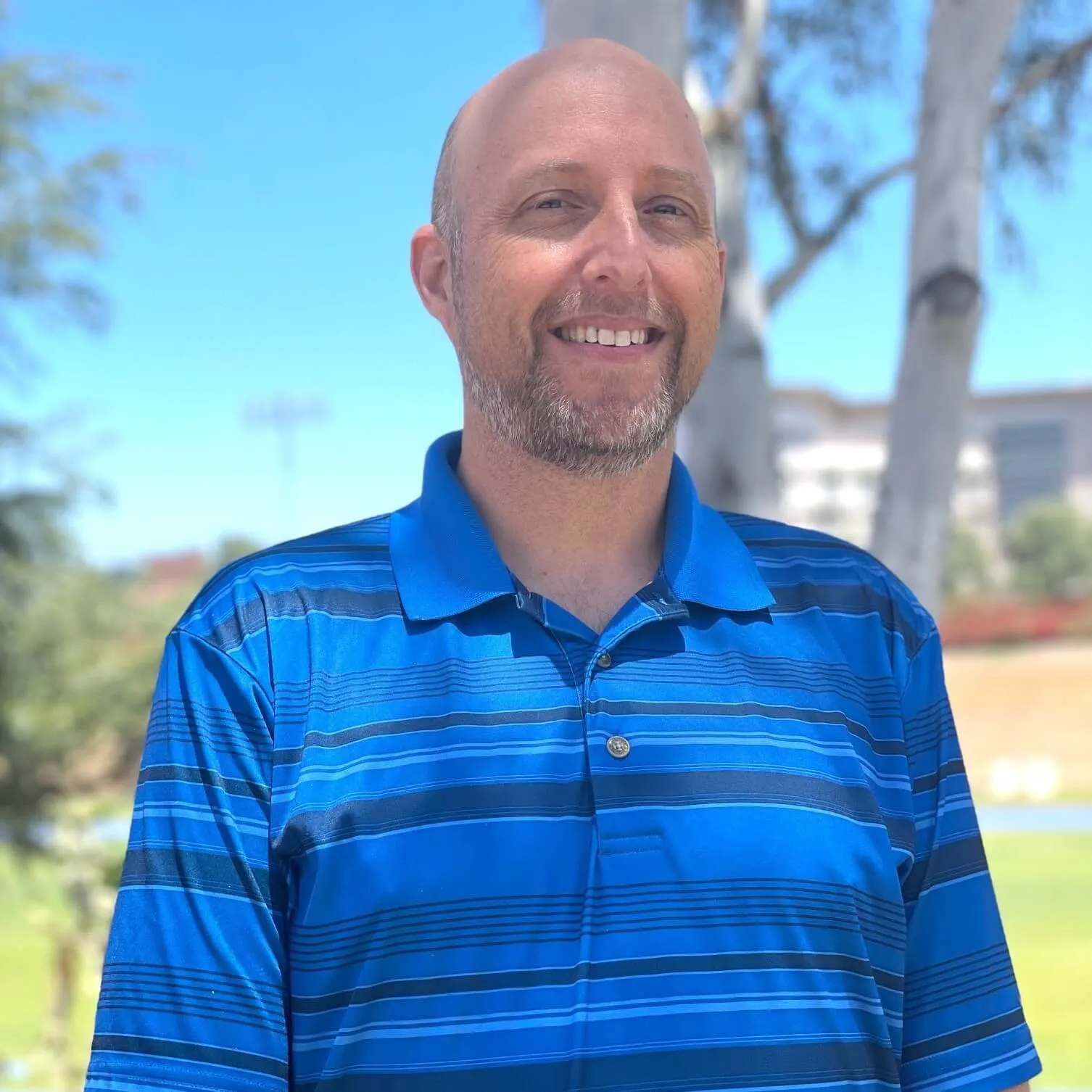
Presenter: Darin Woolpert
Dr. Darin Woolpert is a bilingual speech-language pathologist, senior lecturer in the Communication Sciences and Disorders at the University of Vermont, and director of UVM’s Speech-Language Pathology Assistant and Pre-Master’s programs.
Learn more about Dr. WoolpertThe CNHS Research Series offers opportunities to:
- Learn about leading-edge research across the health sciences
- Connect with faculty researchers and clinicians
- Discover opportunities for interdisciplinary collaboration
- Engage with emerging ideas shaping health and healthcare
- Explore research opportunities and areas of scholarly interest
Whether you are a student, researcher, clinician, educator, or community member, the series provides a welcoming forum for learning and discussion.
Fall 2026 Schedule
Details
All presentations take place from 12-1 p.m. in Stafford Hall, Room 101.
Date: Friday, October 16, 2026
Presenter: Darin Woolpert
Talk Title: Authentic Language Assessment of Children in the Digital Age
Featured Department: Communication Sciences and Disorders (CSD)
Date: Friday, November 20, 2026
Presenter: Kelsey Gleason
Talk Title: Details coming soon.
Featured Department: Biomedical and Health Sciences (BHSC)
Date: Friday, December 18, 2026
Presenter: Elise Tarbi
Talk Title: Fostering Connection: Improving Telehealth Communication for Rural Cancer Patients
Featured Department: Nursing
Past Presentations
Measuring Interoception and Its Role in Children's Lifestyle Behaviors
Dr. Wengrovius is a pediatric physical therapist and director of UVM's Whole Health Integration Research Lab. Her research explores mind-body approaches, including yoga, and examines how interoception influences children's self-regulation of physical activity, sleep, and other health behaviors.
Policy is Personal: Examining Effects of Political Stress on Trans Americans
Dr. Graziano’s research examines how minority stress affects sexual and gender minorities, aiming to address health disparities across sexes and genders—particularly among intersex, women, and transgender individuals. They are a proud member of the LGBTQ+ community.
DNA Methylation in Oral Rinse as a Tool for Detecting Head and Neck Cancer
Dr. Langevin studies biological, environmental, and social factors influencing cancer risk and outcomes, with a focus on developing non-invasive biomarkers for early detection and prognosis. He is an Associate Professor in Hematology and Oncology at the Larner College of Medicine with a secondary appointment in Biomedical and Health Sciences and serves as Associate Director of Community Outreach and Engagement for the UVM Cancer Center.
Beyond the Surface: Addressing social anxiety in adults who stutter and the interplay between psychological distress and physiological dysregulation
Dr. Bauerly’s research focuses on developmental stuttering across the lifespan, with particular emphasis on how emotion influences speech-motor control in adolescents and adults who stutter. Her work integrates psychophysiological measures of autonomic nervous system activity (including EDA and RSA) with kinematic (WAV) and acoustic analyses to better understand how emotional reactivity and regulation affect articulatory control, especially under conditions of social stress. Dr. Bauerly's research has been recognized with an NIH NIDCD R21 Exploratory Grant and the 2024 Patricia A. Prelock Nursing and Health Sciences Research Award.
Individual Differences in Balance Control: From Brain Mechanisms to Rehabilitation
Jasmine Mirdamadi joined UVM in January 2026 as a tenure‑track faculty member in Exercise Science. Dr. Mirdamadi's research examines how sensory and cognitive processes shape motor control and learning, and how these processes change with aging and neurological conditions such as Parkinson’s disease and stroke. Using mobile brain–body imaging and noninvasive brain stimulation, her work integrates neuroscience, rehabilitation, and movement science to support personalized rehabilitation strategies.
When stories are the science: Narrative and participatory insights from Autistic adults’ health journeys
Laura Lewis is a registered nurse and the Carole Nagelsmith Greenberg Green & Gold Endowed Professor of Nursing. Her research explores the experiences of autistic adults, focusing on quality of life, identity formation, and the intersection of queer and autistic identities. An expert in qualitative methods, Dr. Lewis is passionate about mentoring undergraduate researchers and promoting person-centered care.
Of Microbes, Mice, and Men: Deciphering the role of the gut microbiome in Multiple Sclerosis
Dimitry Krementsov’s research explores the complex interplay between the immune system, genetics, and the gut microbiome in autoimmune diseases like multiple sclerosis. His lab integrates microbiology, immunology, and virology to uncover mechanisms of disease and potential therapeutic targets. Dr. Krementsov joined the Biomedical and Health Sciences department in 2017 and leads an extramurally funded lab that engages undergraduate and graduate students across disciplines.
Dismantling the ‘Visual Ease Assumption’: Cross-modal examinations of narrative comprehension in autism
Emily Coderre is a cognitive neuroscientist whose research explores how we understand meaning, both linguistically and visually, through neuroimaging techniques like EEG and fMRI. Her work focuses on semantic processing in autistic individuals, examining how they comprehend language and visual narratives such as comics. Dr. Coderre holds a Ph.D. in Cognitive Psychology and an M.Sc. in Cognitive Neuroscience and Neuroimaging from the University of Nottingham and completed postdoctoral training at Johns Hopkins University. She currently teaches courses in cognitive neuroscience, communication measurement, and professional writing, and her research includes innovative approaches to reading comprehension interventions using neuromodulation.
Tissue Adaptations following Anterior Cruciate Ligament Reconstruction: Implications for Post-Traumatic Osteoarthritis
Mat Failla, a residency-trained clinician and biomechanist whose work bridges clinical practice and research in sports medicine, explores the physiological changes that occur after ACL reconstruction and how these adaptations may contribute to the development of post-traumatic osteoarthritis. His findings offer critical insights for improving rehabilitation strategies and long-term joint health in athletes and active individuals. This talk is especially relevant for clinicians, researchers, and students interested in sports medicine, rehabilitation, and long-term joint health.
Join the Conversation
Join colleagues from across UVM for engaging presentations and discussions on research that is improving health and strengthening communities. Students, faculty, staff, clinicians, researchers, and community members are welcome to attend.
Questions?
For questions about the CNHS Research Series, contact:
Meredith Grasso
Email Meredith Grasso