Browse by Topic: Adaptation Practices

Filter by subtopic. Click here to search all resources with more filters (e.g. production type, state, issue).

  • Adaptation Practices

    Replacement Heifer Housing

    September 4, 2025 • University of Wisconsin-Madison

    A comprehensive resource on infrastructure considerations when building new or remodeling replacement/heifer housing.

  • Adaptation Practices, Funding

    Resources for On-Farm Mitigation

    September 4, 2025 • Sara Keleman • American Farmland Trust

    Regional and state-specific resources for climate adaptation and mitigation, from funding resources to production, infrastructure, nutrient management, efficiency, alternative energy, and much more.

  • Climate Impacts, Adaptation Practices

    Resources to Navigate Drought Successfully

    November 21, 2019 • University of Maine Extension

    Drought management and planning for Maine growers.

  • Adaptation Practices

    Restoring and Maintaining Riparian Areas in a Grazing System

    September 4, 2025 • Food Animal Concerns Trust (FACT)

    A webinar on best practices where grazing systems and waterways interact on the farm.
  • Adaptation Practices

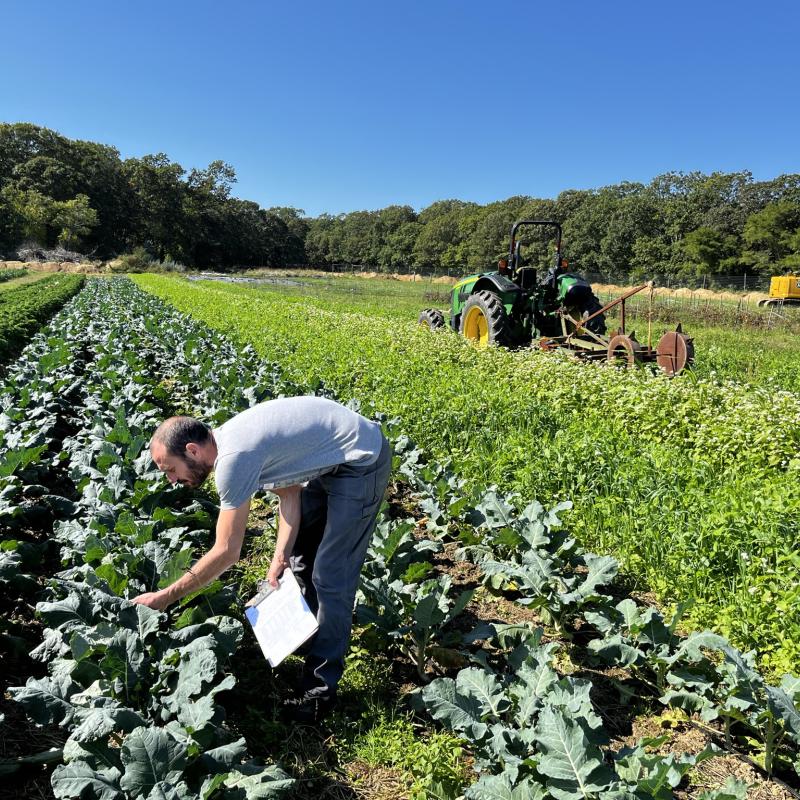
    Rhode Island's Changing Climate Creates New Opportunities for Summer Cover Crops

    September 4, 2025

    Summer cover crops traditionally have not been used in Rhode Island because of the short summer fallow period. However, as the fall season becomes milder, fall cash crops are now being planted as late as the end of September. This creates an increasing gap period between the harvesting of early summer crops and the planting of fall crops. The fall cash crops are also being harvested later, which means that winter cover crops are planted later and are unable to produce as much biomass as in the past. These shifts in planting times are making traditional winter cover cropping less practical and summer cover cropping more worthwhile. This short articles explores teff and Japanese millet to fill this gap.

  • Adaptation Practices, Planning

    SARE Resources and Learning

    September 4, 2025 • SARE

    Research-based, farmer driven information about practicing sustainable agriculture on your farm. Topics to browse include Farm Business Management, Animal Production, Pest Management, Sustainable Communities, Soil Management, and more.

  • Planning, Adaptation Practices

    Self‐study Checklist: Changing Weather Challenges and Adaptation Strategies for Northeastern U.S. Tree Fruit Growers

    September 4, 2025 • Barney Hodges, Glen Koehler, Andy Ricker, Andre Tougas, and Steve Wood • Climate Adaptation Fellowship

    Making a profit growing tree fruit in the Northeast has never been easy, but could become more difficult in the coming decades as climate change progresses in the Northeast. This document is a checklist of possible climate and weather‐related challenges, and some opportunities that may increase over the next 30 years, with actions tree fruit growers can take to reduce risk or maximize opportunity.

  • Adaptation Practices, Planning

    Soil Moisture Sensors: A Tool for Smart Irrigation Management Decisions

    September 4, 2025 • UNH Extension

    A fact sheet on the use of soil moisture sensors on farms. Includes grower experiences, sensor types, installation, and interpretation of the readings.

  • Adaptation Practices

    Sustainable Dairy Cropping at Penn State

    November 23, 2019 • USDA Northeast Climate Hub

    Warmer temperatures and longer growing seasons offer Pennsylvania dairy farmers the ability to plant more than one crop in a season. In this virtual tour, Penn State University researchers are studying cropping systems that can make dairy farming more sustainable in the face of a changing climate, such as double-cropping.

  • Adaptation Practices

    Tile Drainage in Vermont: The Basics

    September 4, 2025 • UVM Extension

    Installing tile drainage on fields has the potential to pay for itself with more reliable and maybe improve crop yield. However, there are several factors to keep in mind that impact drainage efficiency or return on investment. This fact sheet outlines considerations and further resources.

  • Adaptation Practices

    Timing is Everything: Customizing Phenological Information for Invasive Species Management

    September 4, 2025 • Alyssa Rosemartin and Talbot Trotter • Northeast Climate Adaptation Science Center

    An hour-long webinar about the various invasive species growers might come into contact with in the face of climate change as well as how to deal with them in the most efficient manner.

  • Adaptation Practices

    Toolkit: How to Reduce Synthetic Fertilizer Use

    September 4, 2025 • ATTRA Sustainable Agriculture

    Transitioning to a production method that is not reliant on synthetic fertilizers can be accomplished strategically over three to five years. The following publications, tipsheets, and videos are a good place to start learning how things like cover crops, green manures, and alternative soil amendments can result in reduced input costs and increased self-reliance.

  • Adaptation Practices

    Turn the Tap: A Focus on Soil Moisture Education

    September 4, 2025 • USDA Northeast Climate Hub

    Three fact sheets on soil moisture on farms: "Soil water availability monitoring for diversified vegetable farms", "Soil water monitoring systems: Components and costs", and "How Much is Enough? Dialing in Irrigation on Northeast Diversified Vegetable Farms".

  • Adaptation Practices

    UDC Urban Farm

    November 23, 2019 • USDA Northeast Climate Hub

    As the climate continues to change, food security will likely remain an issue. Urban food hubs like the East Capitol Urban Farm can help mitigate the effects of warming temperatures and precipitation extremes.

  • Adaptation Practices

    UMaine's Highmoor Farm

    November 23, 2019 • USDA Northeast Climate Hub

    Visit the research and variety trials happening at the University of Maine's Highmoor Farm. Maine is a state known for its long, cold winters and short growing season, but changes in climate are disrupting this norm. Many growers across the state have already started to experience the trend towards longer growing seasons. Slightly warmer summers and slightly milder winters may provide new opportunities, but can also come with a cost.

  • Adaptation Practices, Climate Impacts

    URI's Agronomy Farm

    November 23, 2019 • USDA Northeast Climate Hub

    University of Rhode Island is conducting research and outreach on high tunnel production and summer cover crops to help farmers tackle both the risks and opportunities posed by climate change.

  • Planning, Adaptation Practices

    US Pest

    September 4, 2025 • Oregon State University

    IPM pest and disease modeling and forecasting. Includes pest-specific data and other factors such as growing-degree days.

  • Adaptation Practices

    Using Cover Crops to Direct the Soil Microbiome

    September 4, 2025 • Heidi Reed, Sjoerd Willem Duiker, Sarah Richards, Kara Reardon, Terrence Bell, and Estelle Couradeau • PennState Extension

    This article discusses how cover crops have the potential to boost key aspects of the soil microbiome typically associated with healthy soils.

  • Adaptation Practices

    UVM Dairy Farming Research

    November 23, 2019 • USDA Northeast Climate Hub

    Visit the University of Vermont research happening on working dairy farms to see how management practices can affect water quality, economics, and greenhouse gas emissions.

  • Planning, Adaptation Practices

    Water Deficit Calculator

    November 21, 2025 • Art DeGaetano & Brian Belcher • Cornell Climate Smart Farming Program

    The CSF Water Deficit Calculator estimates soil water content within a crop’s effective root zone to inform decision makers about current and forecasted water deficits. Information is used to determine the optimum frequency and duration of irrigation

  • Adaptation Practices

    Weather and Climate Considerations: Dairy

    November 23, 2019 • USDA Northeast Climate Hub

    A short fact sheet summarizing how changing climate impacts dairy operations, and what can dairy farmers do to adapt.

  • Adaptation Practices, Climate Impacts

    What are the Impacts of Climate Change on Maple Syrup Production and Can we Manage for Them?

    September 4, 2025 • Joshua Rapp and Selena Ahmed • Northeast Climate Adaptation Science Center

    This hour-long free webinar is about the impacts of climate change on maple syrup production and how maple producers can best adapt.

  • Adaptation Practices

    Who Needs Irrigation in the Northeast?

    November 23, 2019 • USDA Northeast Climate Hub

    Historically, annual precipitation has been sufficient to meet vegetable crop water needs in the Northeastern United States throughout the growing season. For growers who do irrigate, there has been little concern about having sufficient ground or surface water for field or hoop house crops. In recent years, however, precipitation patterns in the Northeast have changed and climate models forecast that they will continue to do so. These changes translate into challenges for Northeast specialty crop growers that are distinct from those faced by growers in other regions. Specifically, specialty crop producers in this region must be prepared to deal with too much water and too little water, sometimes in the same growing season.

  • Adaptation Practices

    Woodman Horticultural Research Farm at UNH

    November 23, 2019 • USDA Northeast Climate Hub

    University of New Hampshire researchers are looking at ways growers might adapt to and take advantage of current and expected climate conditions from managing insect pests to growing new crops and varieties. Experiments range from establishing beneficial plant habitats and wildflower meadows to running cold hardiness fruit trials and using practices to extend the growing season.