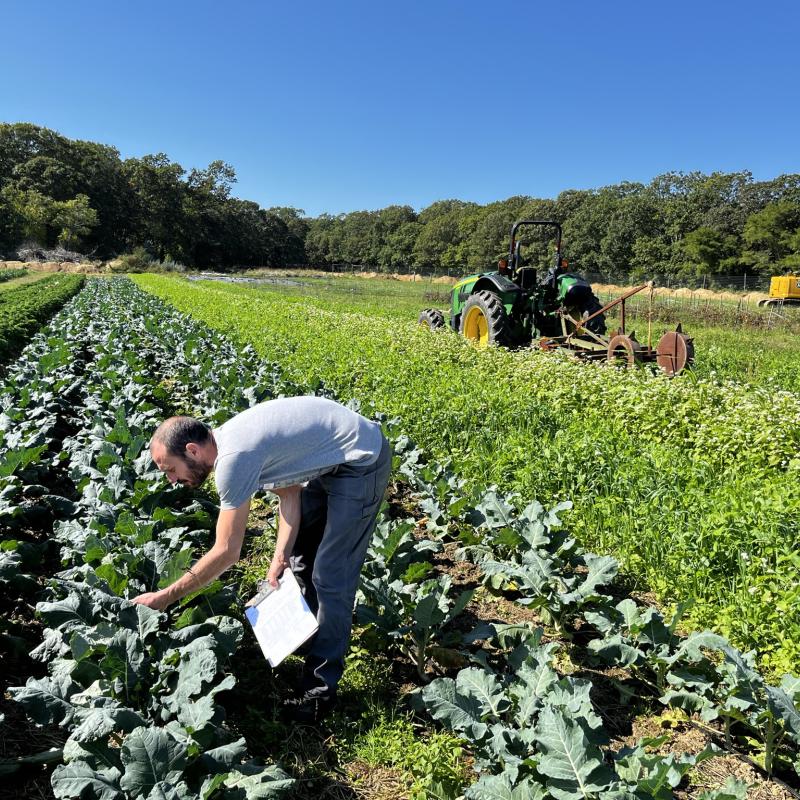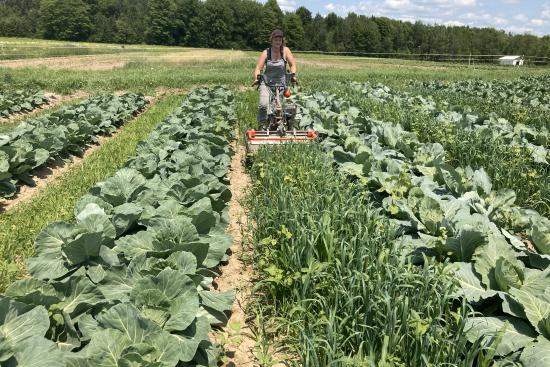
Living Aisles in Diverse Vegetable Systems
In this article, we highlight four case studies from farms of varying sizes and production goals to showcase the opportunities and challenges of adopting living aisle systems.

Filter by subtopic. Click here to search all resources with more filters (e.g. production type, state, issue).
In this article, we highlight four case studies from farms of varying sizes and production goals to showcase the opportunities and challenges of adopting living aisle systems.
This is a collection of tools, resources, publications, etc that help farmers in Maine adapt to the effects of climate change.
Illustrated design guidelines for multifunctional buffers are synthesized and developed from a review of 1,900+ research publications. These guidelines are presented as easy-to-understand rules of thumb for facilitating the planning and designing of multifunctional buffers.
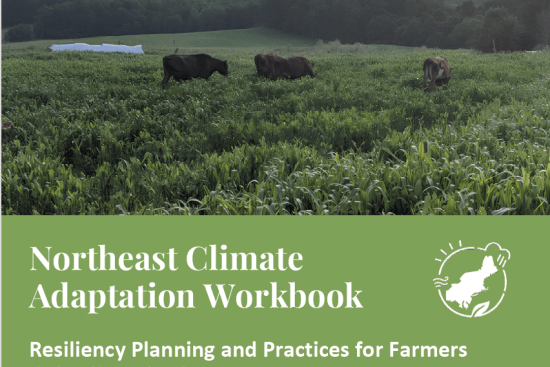
A practical guide for farmers in the Northeast to prepare for a changing climate by developing an Adaptation Plan for their Farm. The workbook introduces the observed and expected changes affecting agriculture, as well as adaptation strategies to consider, and worksheets.
OSHA’s hub for heat safety resources for farmers and workers, including information about employer responsibilities and recommended training materials as well as heat safety resources from multiple federal agencies.
The Heat Safety Tool helps managers plan outdoor work activities based on how hot it feels throughout the day. With a real-time heat index and hourly forecasts specific to your location, it provides occupational safety and health recommendations.
Though heat exposure occurs across industries, farmworkers are more likely to die from heat-related stress. This resource examines state heat illness prevention rules that attempt to address the conditions that put farmworkers at risk.
The ReadyAG workbook is designed to help farm and ranch owners be better prepared to deal with disasters and catastrophic events that can occur on their farm or ranch.
This workshop covers regenerative systems used at Freedom Food Farm: no-till crops, livestock integration, rotational grazing, biodiversity, soil preservation, input reduction, and more! From the 2020 NOFA Summer Conference
Regional and state-specific resources for climate adaptation and mitigation, from funding resources to production, infrastructure, nutrient management, efficiency, alternative energy, and much more.
Drought management and planning for Maine growers.
Research-based, farmer driven information about practicing sustainable agriculture on your farm. Topics to browse include Farm Business Management, Animal Production, Pest Management, Sustainable Communities, Soil Management, and more.
A checklist for Northeast tree fruit growers outlining climate-related risks, opportunities, and actions to reduce future impacts.
Soil Health Indicators and Tests discusses different methods of soil health assessment and provides an overview of soil biology.
This article covers the history context and development of the concept of soil health within soil science. It is part of a larger collection called "Soil and Water Conservation" which includes in-depth chapters on conservation science.
Highlights research and variety trials at UMaine’s Highmoor Farm, exploring new opportunities and risks from longer growing seasons.
A short fact sheet summarizing how changing climate impacts dairy operations, and what can dairy farmers do to adapt.
This hour-long free webinar is about the impacts of climate change on maple syrup production and how maple producers can best adapt.
This beautiful case study profiles Deanne Boyer and Willow Run Farmstead LLC, located in Berks Co. Pennsylvania. The resource details the climate risks faced by Willow Run, and how Deanne has skillfully addressed them through agroforestry practices.
UNH researchers explore climate adaptation strategies such as pest management, new crops, beneficial habitats, and season extension.
Visit a small-scale agroforestry system in the Yale-Myers forest and learn how this diverse orchard is being managed to address pests, weeds, drought, and erosion.