Frequently Asked Questions (FAQ) about UVM's Agroecology Major
What makes UVM’s Agroecology program unique?
UVM’s program stands out for its interdisciplinary and systems-based approach to agriculture. It combines:
- Natural sciences (biology, soil science, ecology)
- Food systems thinking
- Social and community dimensions of agriculture
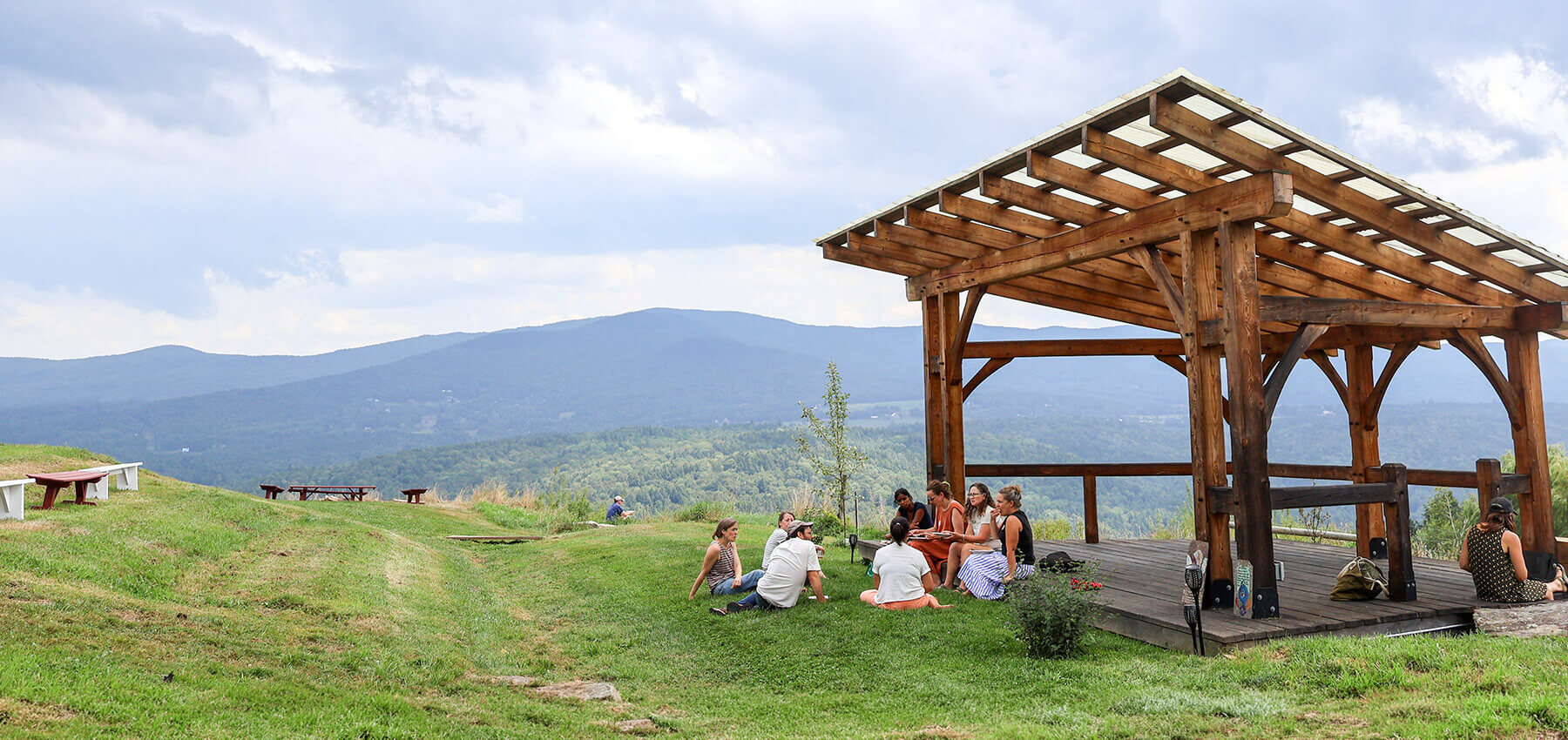
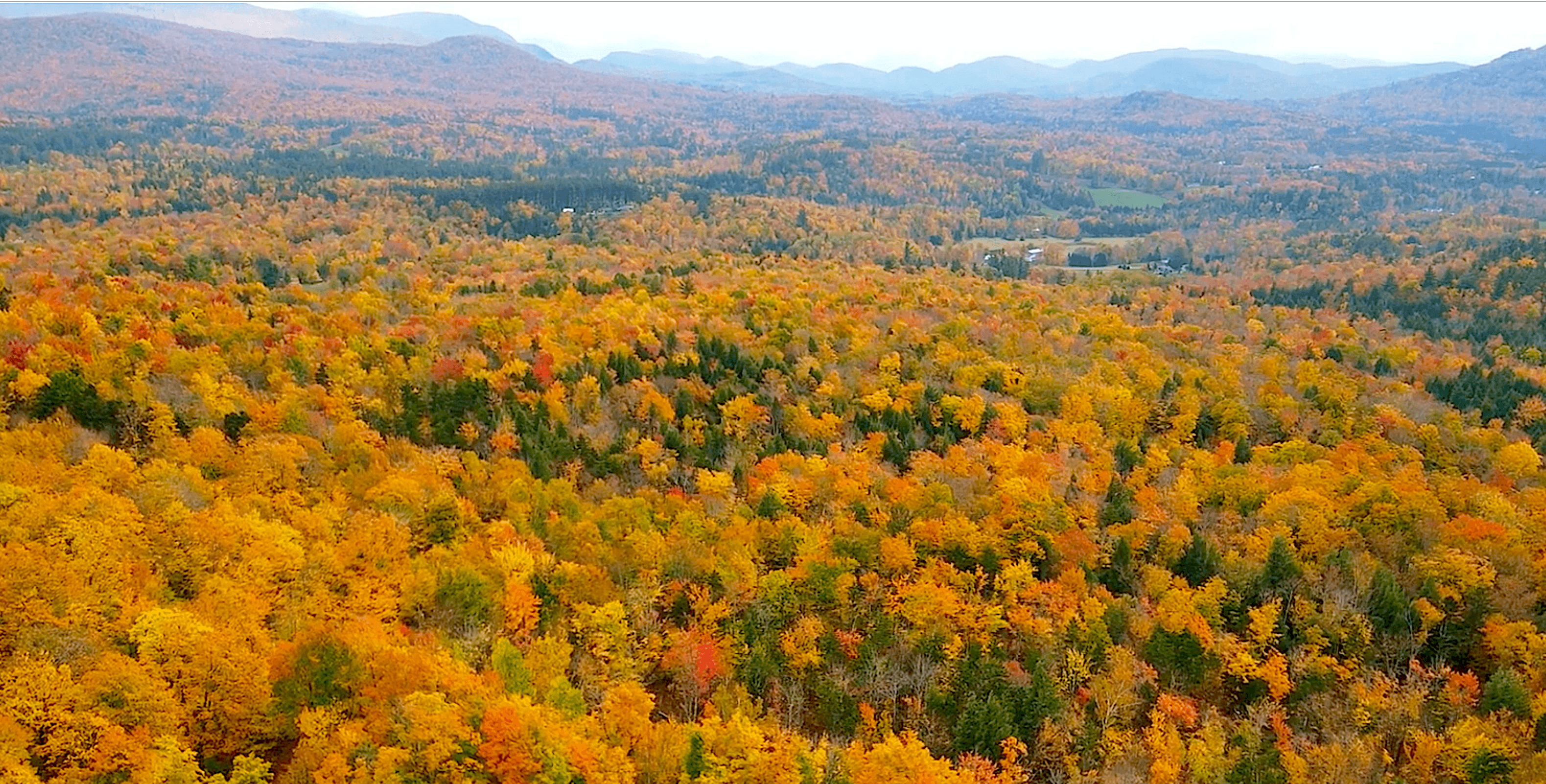
Additionally, Vermont serves as a living laboratory with strong local food systems and farm-to-plate initiatives, offering students real-world learning opportunities.
What will I study in the Agroecology major?
Students build a strong scientific foundation while applying it to agriculture and food systems. Coursework includes:
- Biology, chemistry, and ecology
- Soil science and soil fertility
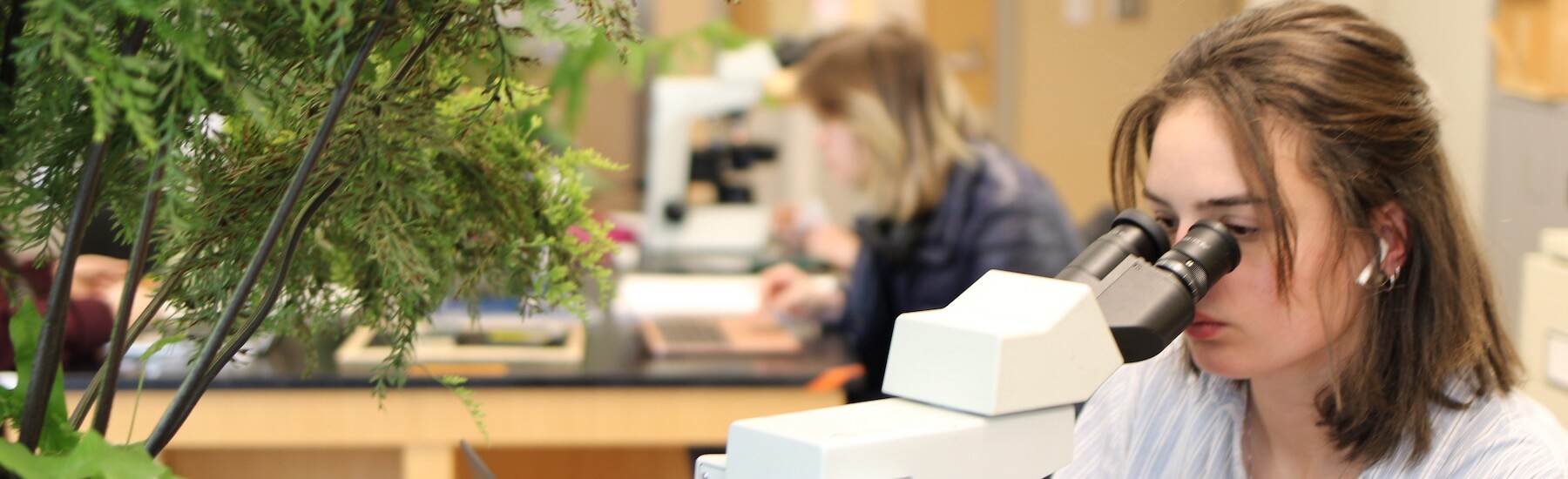
- Plant pathology, entomology, and weed management
- Farm management and agricultural policy
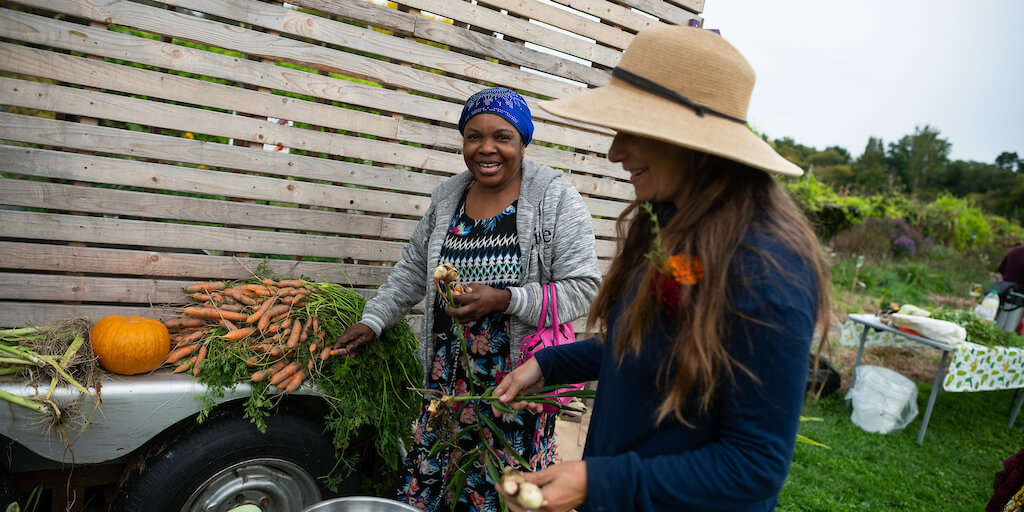
The curriculum emphasizes hands-on, applied learning in areas like crop production, pest management, and diversified farming systems.
Does the UVM Agroecology program include hands-on learning?
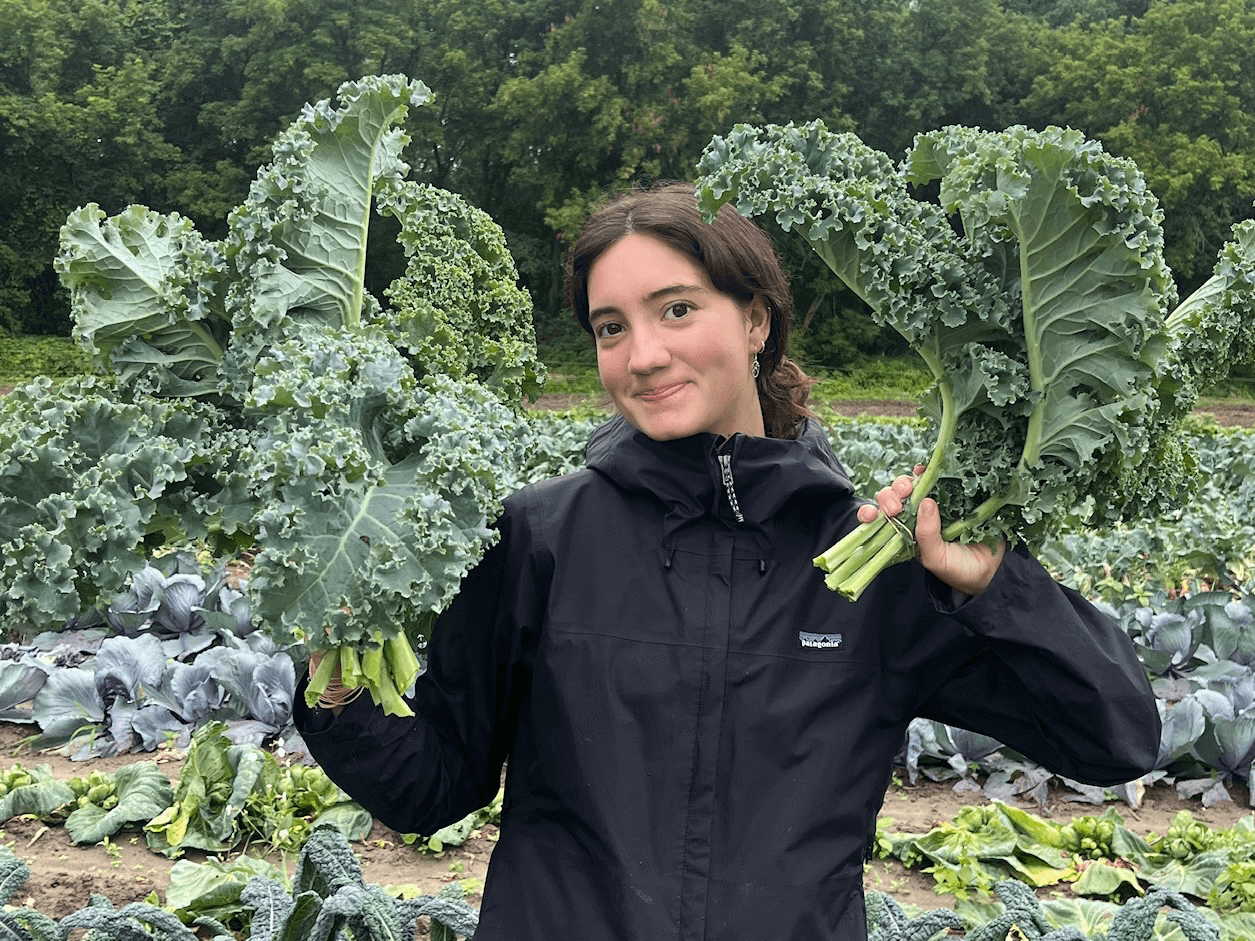
Yes. Experiential learning is a core part of the program. Students gain experience through:
- Field-based courses
- Internships and farm work
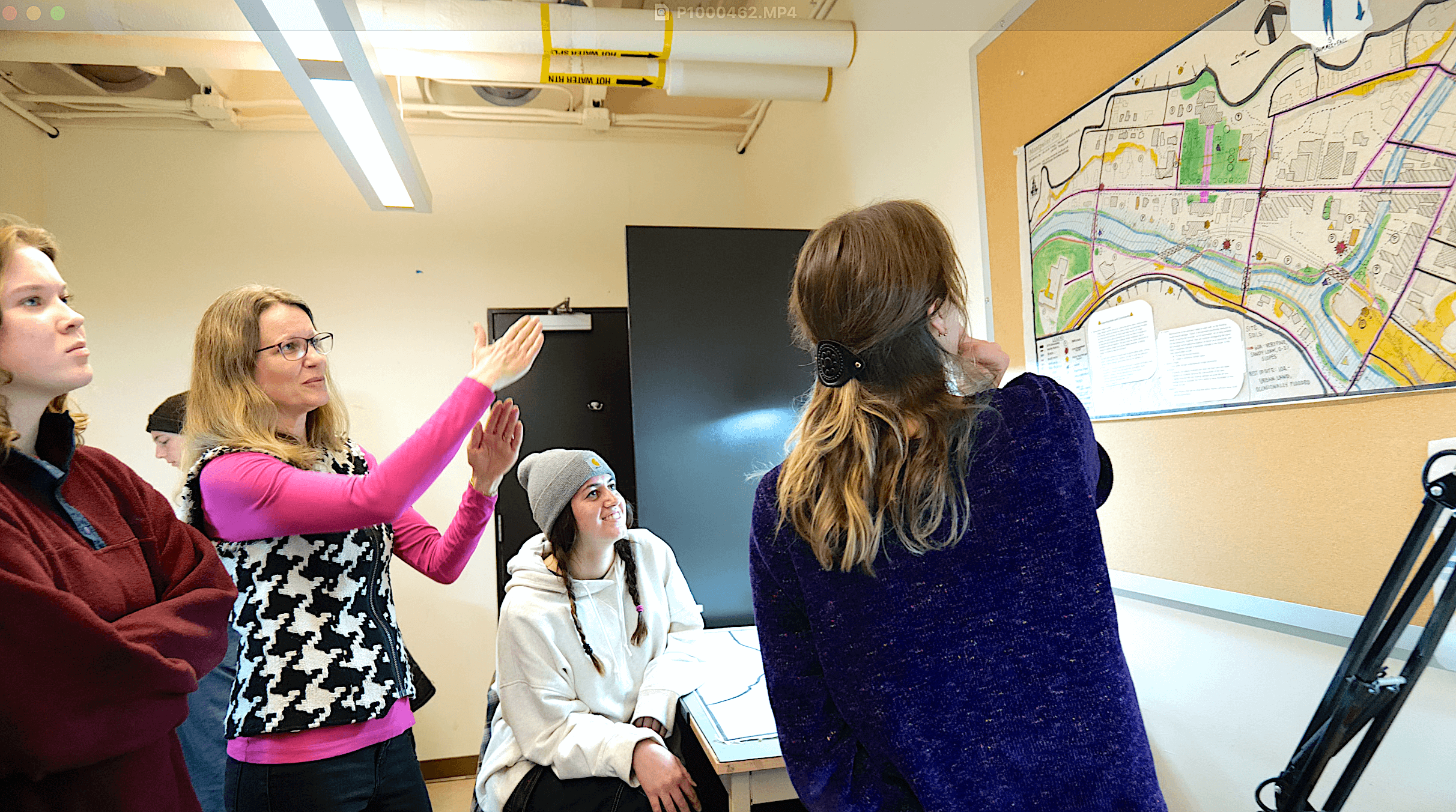
- Research opportunities with faculty
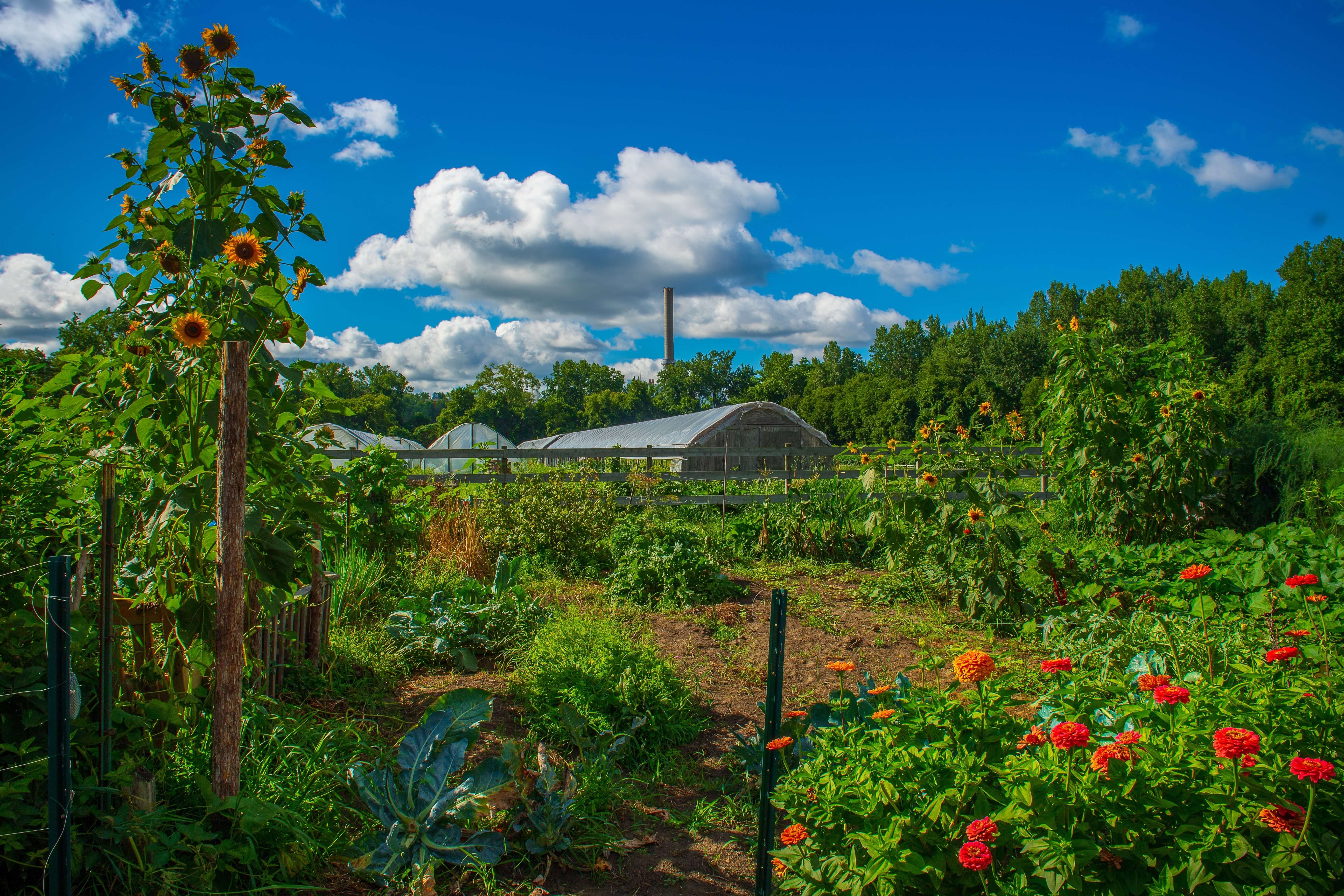
- The UVM Horticulture Research and Education Center and Catamount Educational Farm
- international internships and study abroad programs
These experiences help students connect classroom learning to real-world agricultural systems.
What career paths can Agroecology graduates pursue?
Graduates are prepared for diverse careers across agriculture, environment, and food systems, including:
- Sustainable farming and farm management
- Agricultural consulting and soil conservation
- Food systems and food security work
- Research, education, and agricultural or environmental policy advocacy
The program equips students with skills relevant to careers focused on sustainability, climate resilience, and community well-being.
What skills will I gain from the Agroecology major?
Students develop skills in:
- Ecological analysis and systems thinking
- Sustainable agriculture practices
- Soil and crop management
- Data analysis and research
- Communication and community engagement
These skills support both scientific careers and leadership roles in food systems transformation.
Is Agroecology the same as traditional agriculture?
While students learn core agricultural sciences and applications, agroecology differs by emphasizing:
- Environmental sustainability
- Social equity and community impacts
- Integration of ecological principles into farming systems
This broader perspective prepares students to address modern challenges in agriculture and food systems.
What is the structure of the Agroecology degree?
The program is:
- A Bachelor of Science (B.S.) degree
- Offered on-campus through UVM’s College of Agriculture and Life Sciences with many courses being offered at the 97 acre Horticulture Research and Education Center/Catamount Farm
- Built around a core curriculum of approximately 76 credits in agroecology coursework
Students also complete general education and university requirements.
Why study Agroecology at UVM?
Students choose UVM because of:
- Vermont is a global leader in sustainable agriculture and food systems research
- Access to important thought leadership and global initiatives through the Food Systems Research Institute and the Institute for Agroecology
- Strong connections to Vermont’s farmers and farming communities
This creates a collaborative learning environment focused on solving real-world agricultural challenges.
How does Agroecology address sustainability and climate challenges?
Agroecology focuses on designing food systems that:
- Protect soil and water resources
- Promote biodiversity
- Build climate resilience
- Support farmer and community well-being
Students learn to apply these principles in both local and global contexts.
Can I do research as an undergraduate in Agroecology?
Yes. Students have opportunities to participate in:
- Faculty-led research projects
- Field experiments and long-term studies
- Collaborative work with farms and community partners
- Opportunities to engage with hands-on projects on our many living laboratory research farms (Horticulture Research and Education Center, Catamount Farm, Proctor Maple Research Center, and Miller Farm Educational Complex).
Research experiences help build practical as well as professional skills.
Is Agroecology a good major for students interested in food systems?
Absolutely. The program is ideal for students interested in:
- Sustainable agriculture
- Food justice and food security
- Environmental science
- Community-based solutions
It prepares graduates to improve how food is produced, distributed, and consumed.