A team of northern New England universities and institutions led by the University of Vermont (UVM) has been awarded $5.9 million from the National Science Foundation (NSF) to advance snow research and explore connections between winter weather and the outdoor recreation economy in Vermont, New Hampshire and Maine. UVM is the recipient of $3.3 million and the University of New Hampshire (UNH) is the recipient of an additional $2.6 million as a collaborator. The project will include the University of Maine and eight other regional institutions.
“For decades, western states have dominated snow research in the United States. This investment from NSF will supercharge northern New England snow studies,” said UVM’s Keith Jennings, the principal investigator on the project. “Thanks to federal NSF support, we will install snow monitoring equipment in the mountains of Vermont, New Hampshire, and Maine. This new regional capability will improve computer model simulations of northern New England water resources and mountain weather, while also connecting the dots between winter weather and economic development.”
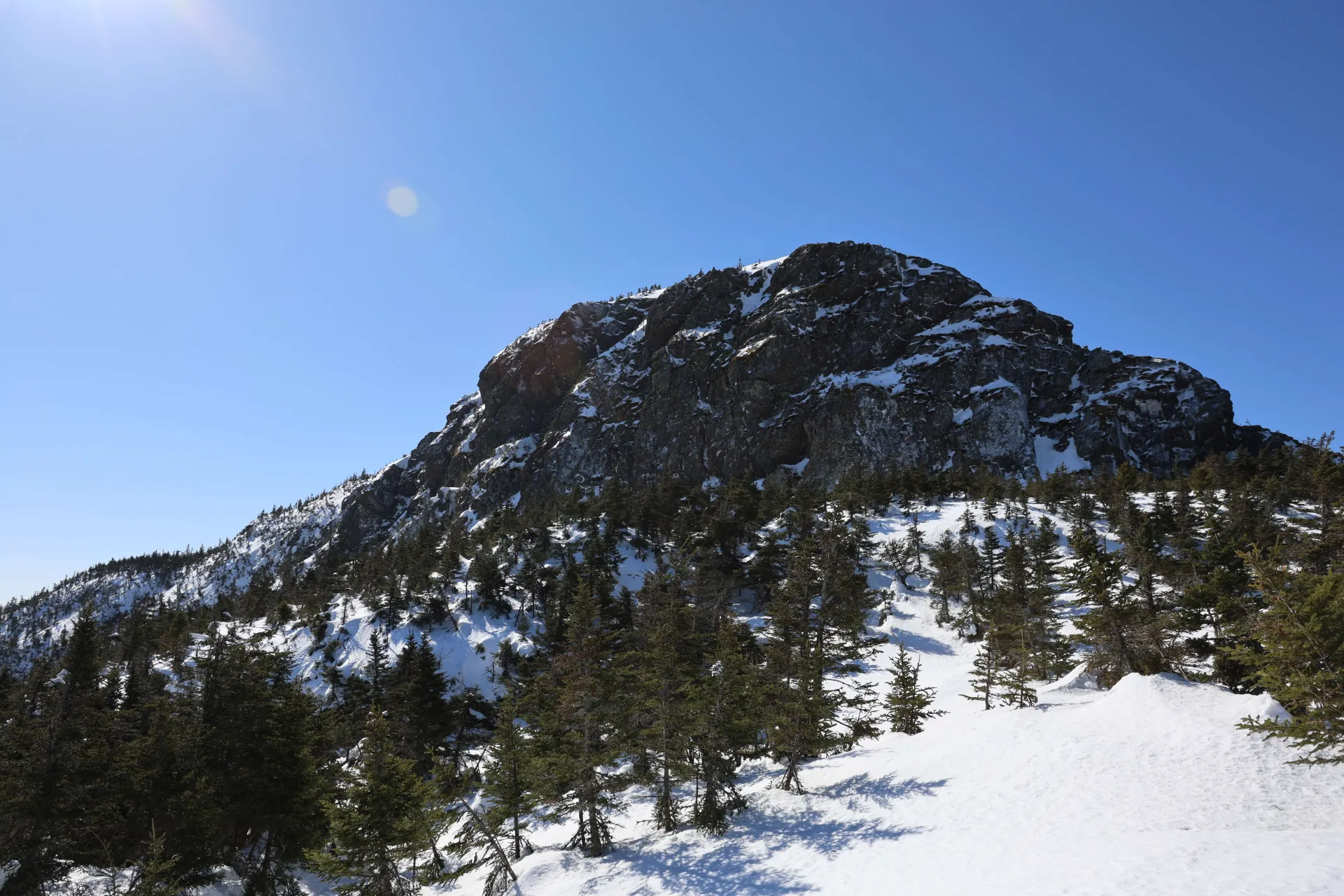
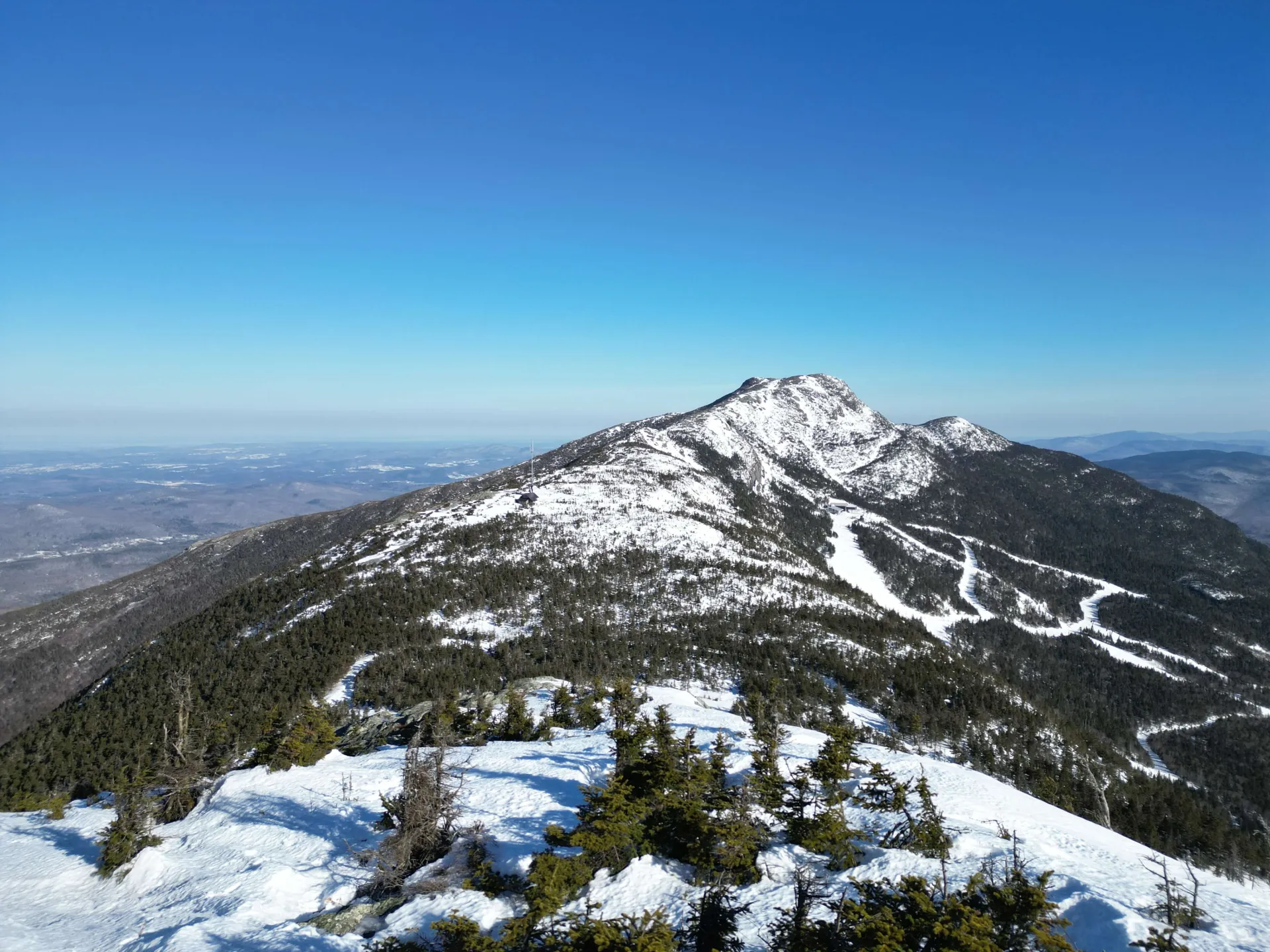
The project, Snow STORE (Science and Technology for Operations, Research, and Economic Development in Northern New England), brings together collaborators in academics and industry from the region to enhance observations of mountain snowpacks at existing research sites, like Mount Washington Observatory and the Sleepers River research watershed, as well as winter recreation areas like Stowe Mountain Resort and Sugarloaf Mountain.
Snow STORE will unify the efforts to markedly advance regional snow and precipitation monitoring capabilities. Together, the partners will connect the researchers to recreators and novel research sites, provide real-world feedback on snow data for operational decision-making, and support workforce development and training.
Although snowfall powers the multi-billion-dollar outdoor recreation economy of these states, there is no standardized, automated monitoring network tracking snowpack dynamics in the northeast and its impact on the industry, as well as the environment. This collaborative project will develop foundational snow monitoring infrastructure adapted for the unique climates, geographies, ecosystems, and communities of northern New England.
“Our goal is to look at the impact of snow on our mountains, how it is changing, the effect on weather and flooding, and the science behind our changing snow,” said Elizabeth Burakowski, research associate professor in department of Earth Sciences at UNH. “Typically, snow measurements are taken by hand, so these new monitors will allow for more comprehensive and continuous measurements to gain a better understanding of change, provide data and a dashboard, and help forecast a wide variety of activity with our rivers, forests, and overall flooding incidents.”
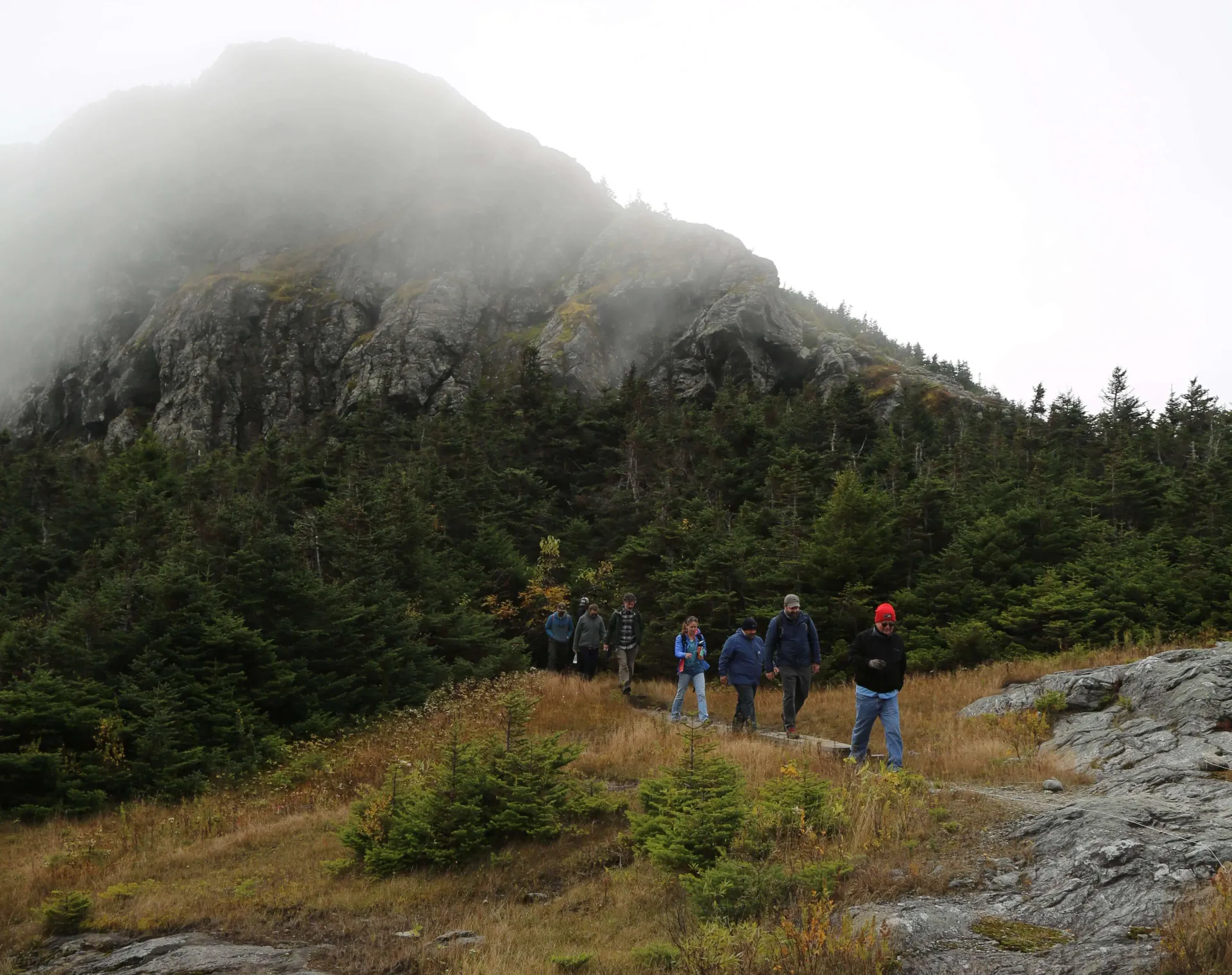
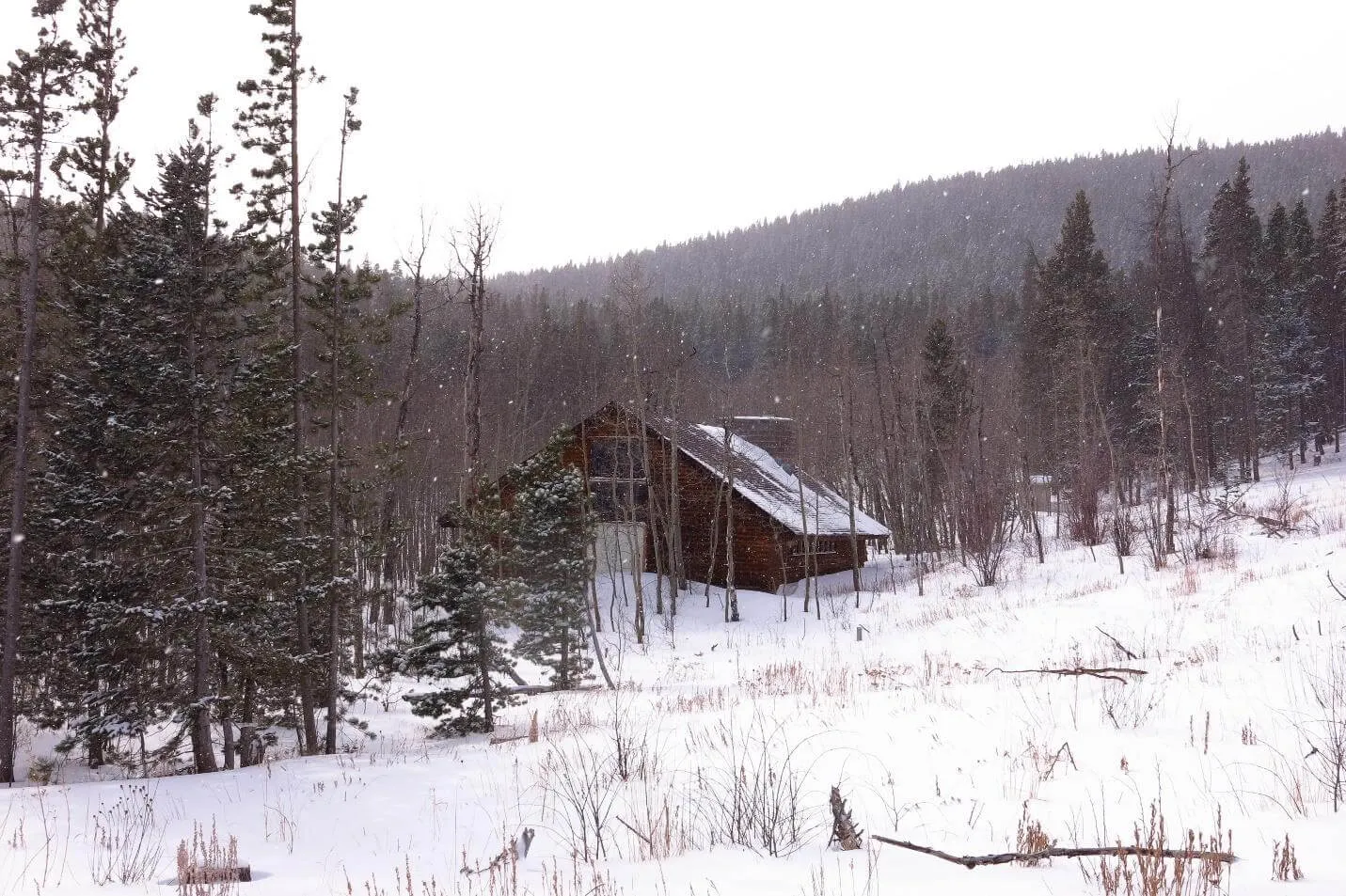
The team will unify weather station networks, ski areas, and long-term research sites across a range of elevations and climates, prioritizing study sites that have existing, or soon-to-be-installed, monitoring equipment. UVM plans to supplement existing weather stations at the Jericho Research Forest, Mt. Mansfield, and Sleepers River Research Watershed. The University of New Hampshire will work with researchers at Mount Washington Observatory, operators at recreational areas like Wildcat Mountain, and research areas like Hubbard Brook Experimental Forest, while also providing expertise in snow modeling to better understand snowpack.
Collaboration between all eleven institutions will support four broad themes: (1) Advance snow and runoff modeling, (2) Enhance situational awareness of mountain weather, (3) Deliver actionable snow and weather data to decision-makers, (4) Mobilize the outdoor recreation economy.
Through advances in snow monitoring, modeling, weather sensors, cyberinfrastructure, economics, and social science, the team will influence day-to-day operations for partners in the recreation, weather, and science sectors. The key here is the aggregation and synthesis of varying snow and weather data sources to create a real-time, one-stop shop for actionable information on current and future conditions.
Snow STORE will build novel snow and weather monitoring infrastructure across northern New England that will provide timely and accurate data to winter recreation areas allowing outdoor recreation site operators to manage conditions more effectively. Through increased knowledge of variable snow and weather conditions, decision-makers will be more equipped to maximize ski area benefits, particularly by improving their snowmaking strategies. It also aims to improve decision support for visitors, safeguard communities from winter weather hazards, and revitalize the regional economy.
Partners include: Ski Vermont, Ski NH, and Ski Maine Association; the Vermont Outdoor Recreation Economic Collaborative, New Hampshire Office of Outdoor Recreation and Industry Development, and the Maine Office of Outdoor Recreation; the National Weather Service (NWS) Burlington Weather Forecast Office (WFO) and Northeast River Forecast Center (NERFC); the Appalachian Mountain Club (AMC); and the Consortium of Universities for the Advancement of Hydrologic Science, Inc. (CUAHSI).
The UVM team is led by Keith Jennings, a snow monitoring and modeling expert, who directs research at UVM’s Water Resources Institute. He is joined by Patrick Clemins (College of Engineering and Mathematical Sciences), Joshua Benes (Water Resources Institute), M. Salim Udden (Rubenstein School of Environment and Natural Resources), and Kimberly Coleman (Rubenstein School of Environment and Natural Resources).
The NSF program, EPSCoR Research Infrastructure Improvement: Focused EPSCoR Collaborations, promotes scientific progress nationwide, specifically by establishing partnerships with government, higher education, and industry to create sustainable improvements in research.
About the National Science Foundation
The U.S. National Science Foundation (NSF) is an independent federal agency established in 1950 that supports science and engineering in all 50 states and U.S. territories. NSF fulfills its mission chiefly by making grants. The agency's investments account for about 25% of federal support to America's colleges and universities for basic research: research driven by curiosity and discovery. NSF also supports solutions-oriented research with the potential to produce advancements for the American people.