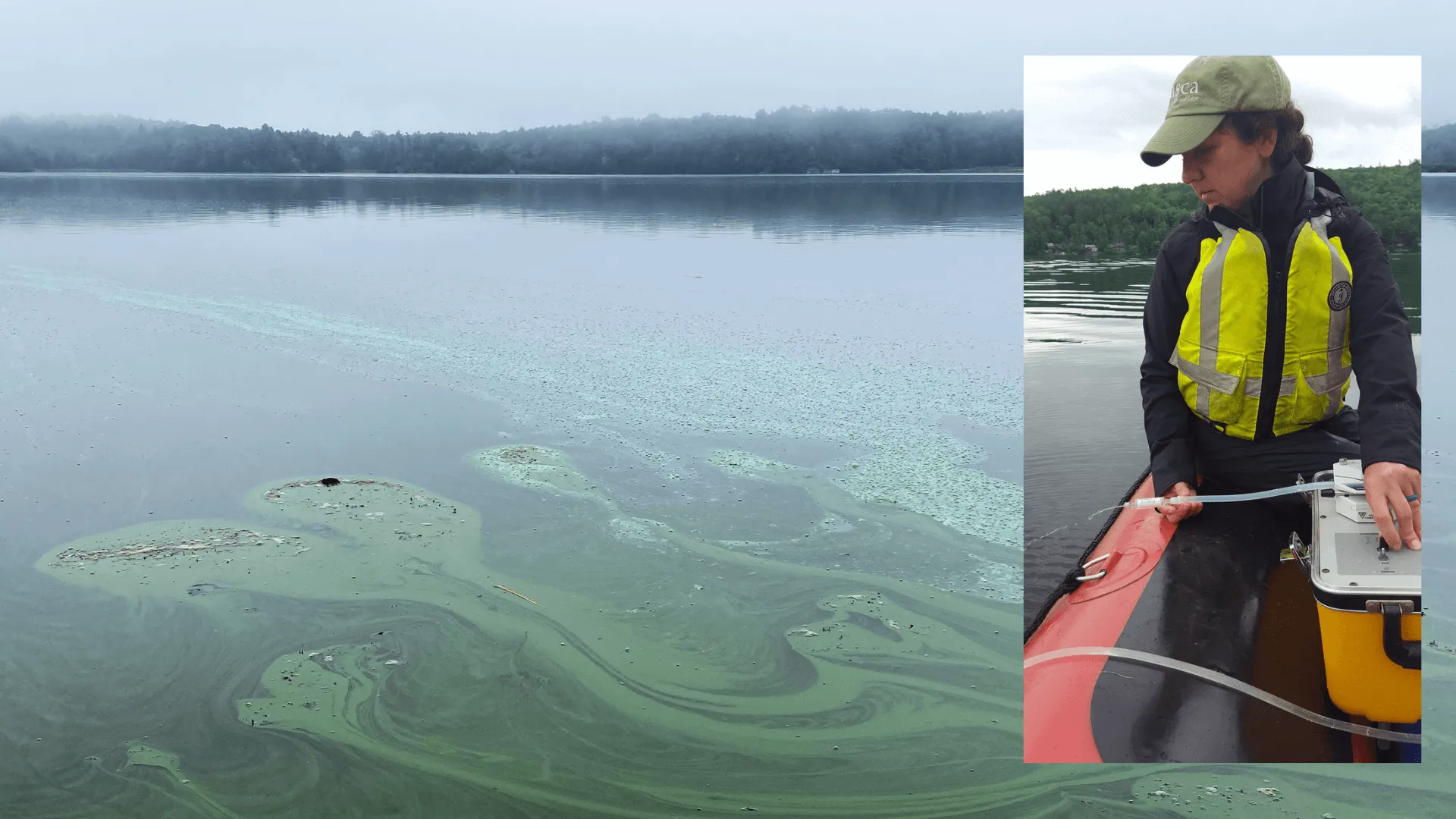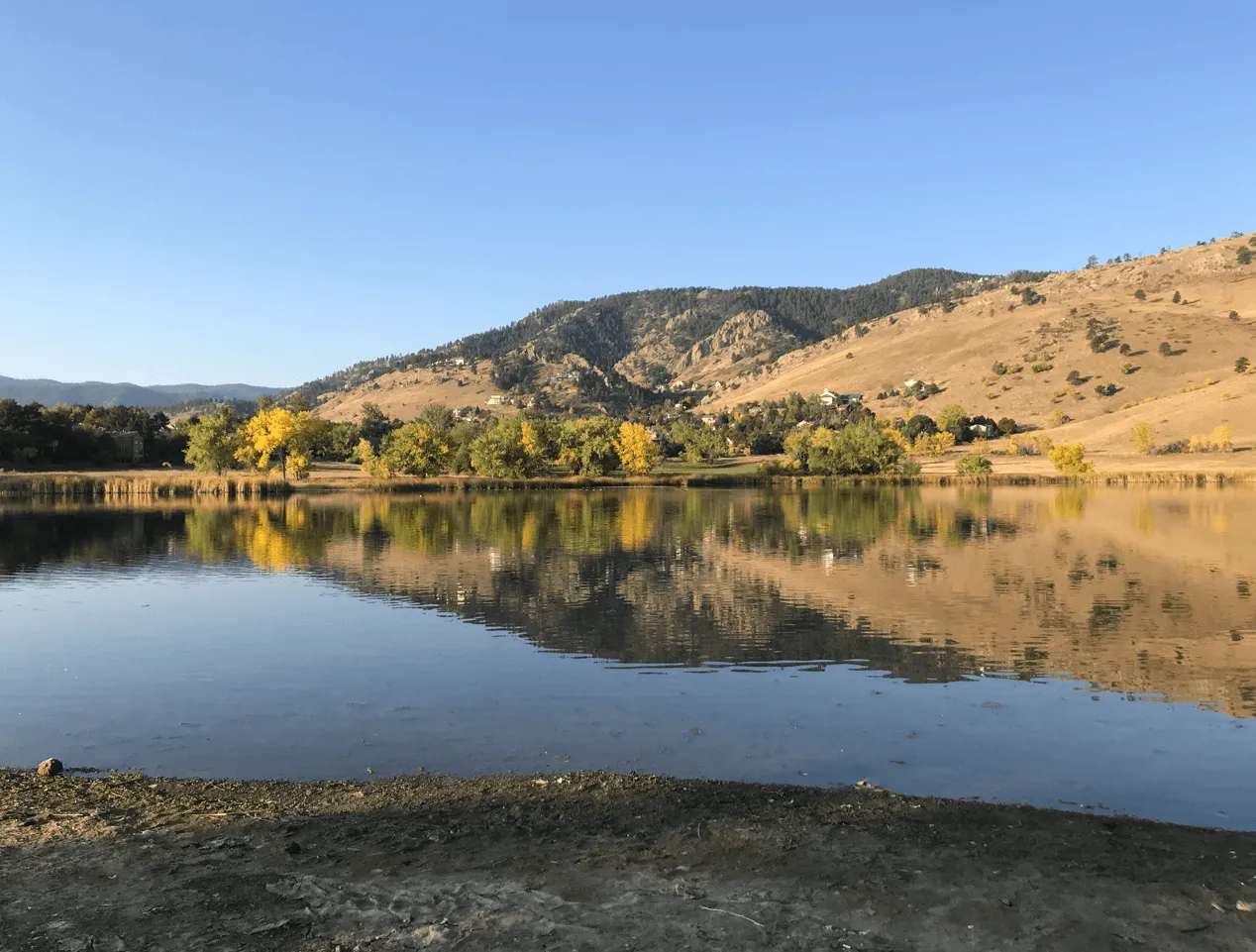
Ponds are valuable community resources, providing wildlife habitats, recreational opportunities, flood and drought buffering, and drinking water supplies. However, their small surface area and shallow depths can accelerate nutrient cycling, creating favorable conditions for algal blooms.
Some of these blooms develop into harmful algal blooms (HABs), which pose risks to ecosystems, aquatic life, animals, and humans through depleted oxygen levels or cyanotoxins. It is critical to monitor HABs, as they emerge as a public health and water quality concern.
However, traditional field sampling for algae growth is often time-consuming and resource-intensive. Satellite-based, multi-spectral remote sensing offers a promising alternative, but many of these platforms have coarse-resolution sensors that cannot accurately detect water quality in small waterbodies.
New research by scientists at the University of Vermont's Water Resources Institute, the Institute of Arctic and Alpine Research at the University of Colorado Boulder, and Lynker Corporation explores a different approach, using finer-resolution optical imagery to determine whether remote sensing can reliably detect algal growth and HABs in ponds. With funding from the Boulder Open Space and Mountain Parks Funded Research Program, the team focused on four waterbodies in Boulder County, Colorado.
Using a combination of laboratory analyses, computational methods, and on-site measurements, the team compared optical satellite data with on-site water quality sampling. They found that while remote sensing can broadly track the cycles of algae growth and decline, it struggles to accurately predict chlorophyll-a concentrations—a key indicator of algal growth—in all but the most algae-affected ponds.
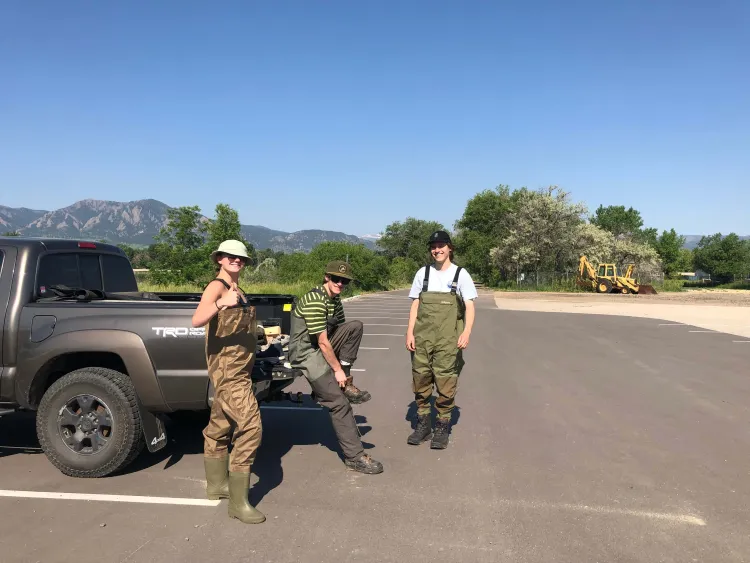
"Since 1972, the government-funded Landsat program has kept a series of satellites spaceborne with optical imagers that track our planet using technology that’s not too different from the cameras in our smartphones—just better, more reliable, and much more expensive,” said UVM’s Keith Jennings, a co-author on the study. “These satellite-based images can reliably track blooms in ponds with significant algal growth, but their real value emerges when paired with manual water quality sampling.”
The study, published in Environmental Science and Pollution Research, highlights limitations in relying solely on remote sensing for monitoring HABs in small waterbodies. Unless a high concentration of algae is present on the water's surface, satellite methods will not capture the entire scope. Persistent detections of cyanobacteria from satellite imagery were observed in only one of the four ponds, despite manual sampling showing HAB occurrences in every pond.
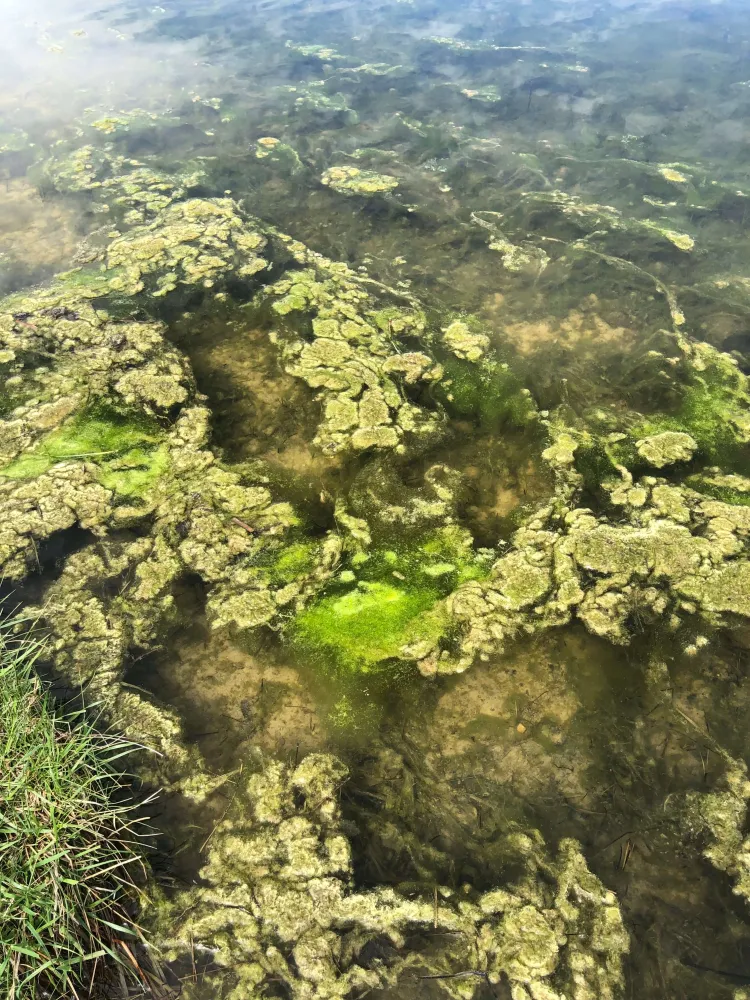
These findings demonstrate the importance of a multi-step monitoring approach, leveraging both remote sensing and on-site sampling. While satellite imagery can provide cost-effective information about the spatial and temporal patterns of algal blooms, manual sampling offers more granular and definitive information on water quality and algae type.
Given the risks associated with HABs, improved tracking is important. These blooms can have serious environmental and public health consequences, including fish kills, illness and death in wildlife and pets, and human health issues such as respiratory problems, skin irritation, or impacts to the nervous system. Ongoing measurements help reveal the environmental conditions that drive bloom formation and persistence.
Warming temperatures and nutrient loading are contributing to more intense, frequent, and longer-lasting algal blooms. Climate change is amplifying these trends, as warmer water accelerates algal growth, leading to more rapid and extensive blooms. At the same time, nutrient enrichment from human activities further promotes bloom development and complicates management efforts.
While advances in remote sensing technology may improve monitoring capabilities in the future, current approaches are not sufficient for protecting public health in small waterbodies. Integrating remote sensing with on-site sampling remains the most effective strategy for understanding and managing harmful algal blooms.