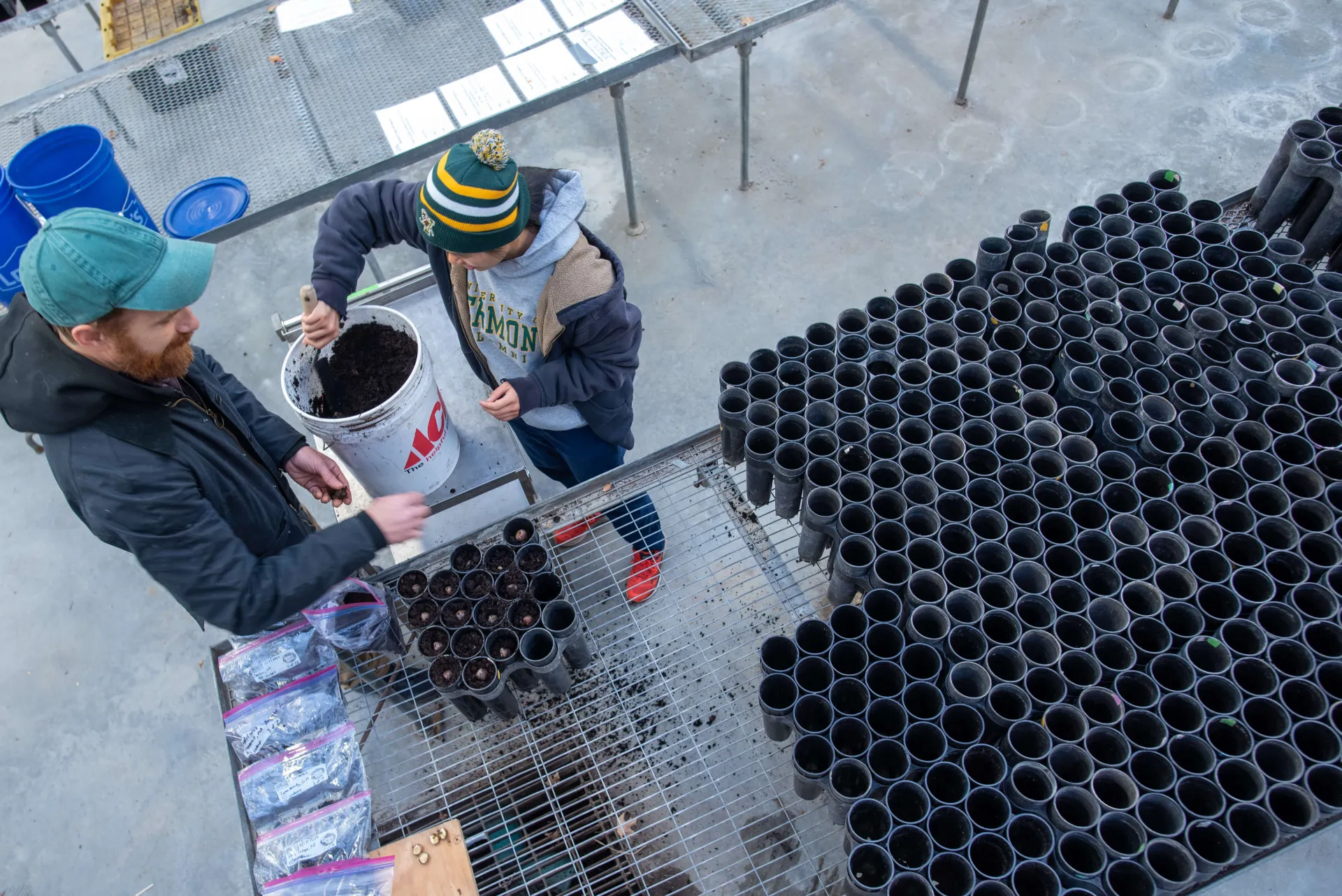
Postdocs are essential drivers of research and innovation, yet their unique challenges often go unnoticed. Now, the Postdoctoral Association at the University of Vermont is springing back to life. This renewed effort — led collectively by postdoctoral researchers Saul Huerta de la Cruz, Ariane de Almeida Rodrigues, Emmanuel Abah, Sima Bhowmik, Anila Ajayan, Amasha Withana, and Stacia McIntosh — aims to strengthen the sense of community among postdocs, create opportunities for networking and professional development, and ensure that the voices of early-career researchers are heard. The association’s revival is about creating a space where postdocs can share experiences, advocate for their needs, and build lasting connections.
Why did you decide to restart to the Post Doctoral Association (PDA)?
Saul Huerta de la Cruz (SHC): It was obvious that we needed some representation and some form of organization to make decisions and advocate for the whole postdoctoral community. We have the resources at UVM, but we didn’t have a point of contact to get those resources.
Ariane de Almeida Rodrigues (AAR): Since UVM became an R1 university, we expect to continue that high level of research, and to keep high standards on publications. There are currently over 100 postdoctoral scholars all over UVM. Some of them teach, but many are focused on research, and we want to highlight the contributions we provide to that research enterprise.
Beyond teaching and research, what do postdoc scholars do at UVM?
SHC: I usually explain what a postdoc is to my family like this: it’s still part of my training to become independent. During the process of obtaining a PhD, you basically get the skills you want and you need to do research. During the postdoc process, you apply all of those skills that you learned with the aim of becoming independent. Beyond research and teaching, we also apply for grants, write proposals, mentor students, and provide peer-review services.
What comes after the postdoc process? What’s next?
AAR: It depends on your career goals. We can move on to become faculty members at universities. All the training and skills you’ve completed, and all the research you participate in, become valuable in moving on to be a faculty member. We also see a lot of postdoctoral researchers obtain jobs in industry or start their own companies. Sometimes it’s a period to think about creating a startup and launching a business. There are many options available.
SHC: There are postdoctoral scholars in industry, but others might follow a different path. Some go into government positions, or they go into teaching or research positions. The spectrum is really broad.
AAR: It’s really important, when we start our postdoctoral positions, to discuss this aspect and have a career plan. We can build meaningful connections, and faculty and advisors have networks that can help facilitate our long-term goals.
What’s next in reviving PDA? And why is it important?
SHC: The first step was electing members to lead the PDA, which we’ve already completed with the support of the Office of Postdoctoral Affairs. Their support was essential in helping us connect with all the postdoctoral researchers on campus.
AAR: We have already started some activities, too. We organized a career panel during the Postdoctoral Appreciation Week in September, and a hike and picnic in October. But postdoctoral researchers are dispersed across campus, we don’t have many opportunities to get together. I think the first task is to create community, to listen to what postdoctoral researchers need and offer opportunities for people to get to know each other.
SHC: When you get a message that says, “Let’s get together,” the first thing you do is wonder if it’s real, because sometimes it feels like we’re so isolated at UVM and it’s very difficult to meet other postdoctoral researchers. That’s one of the main reasons we’re relaunching the PDA: we need a space where we can connect because, at the end of the day, we’re the next generation of scientists. We need to stay connected when we can.
To learn more about the Postdoctoral Association, visit their Instagram and the Office of Postdoctoral Affairs.