Ian Gregory Lee is awarded the Lawrence K. Forcier Outstanding Senior Award
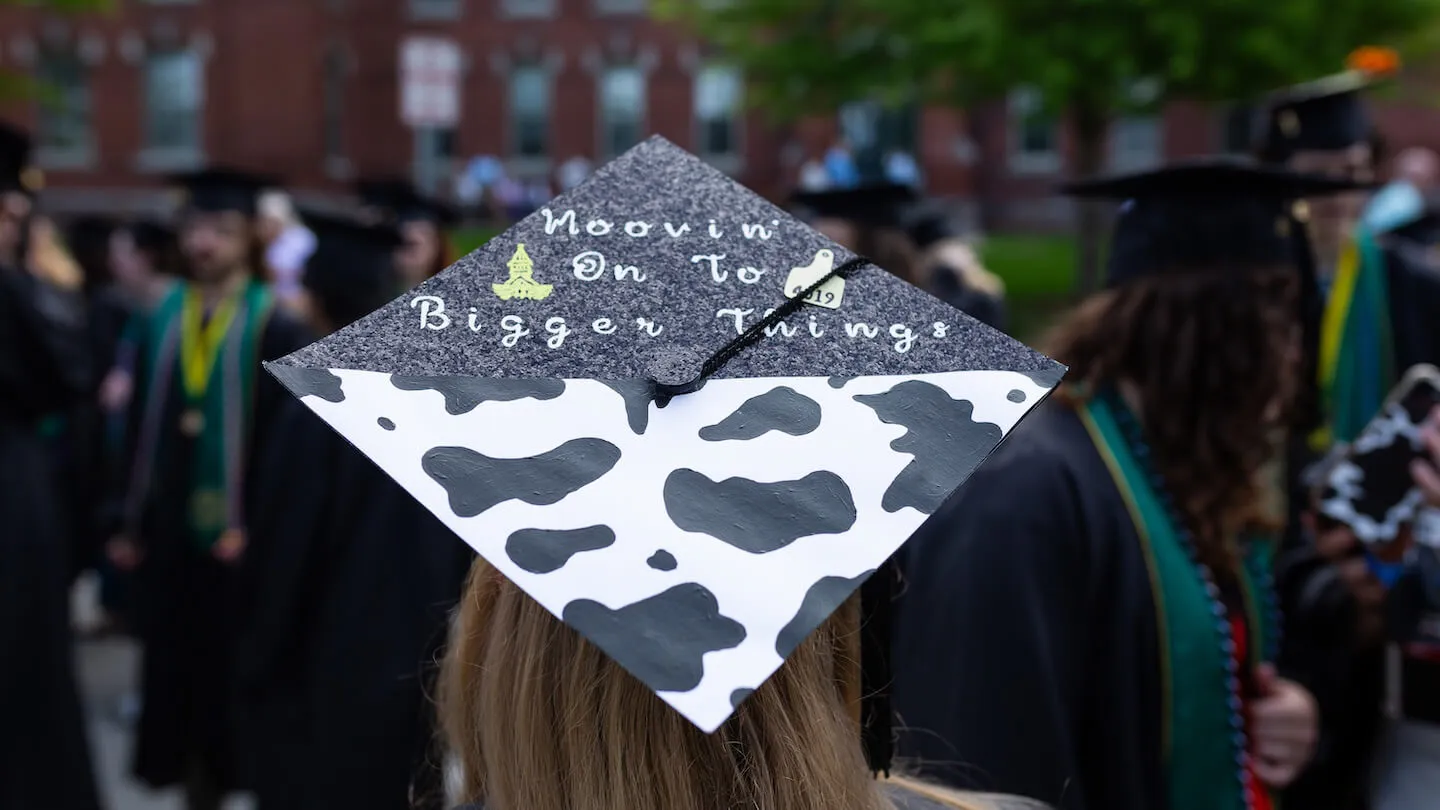
This award is given in honor of former CALS Dean Lawrence K. Forcier. Lee will also be the College of Agriculture and Life Sciences 2026 Student Commencement Speaker.
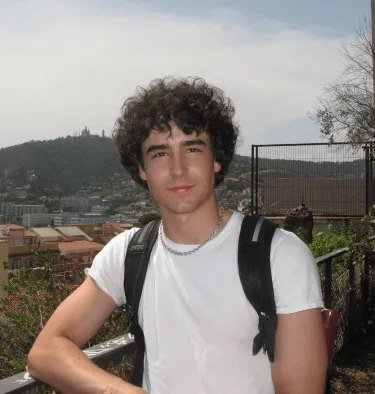
“It was kind of a crazy day, the day I got the e-mail that I had been chosen to receive the Forcier Award, which was a huge honor already, and I was kind of starstruck, and then a few minutes later they told me I had been chosen to speak at the CALS graduation ceremony. I'm really excited to have the opportunity to send a message out to everyone as we walk across the stage, and I think it will be really, really cool, but I am a little nervous.”
Lee is from Minneapolis, Minnesota, and the first time he lived outside that state was when he came to UVM. At his International Baccalaureate high school, Lee enjoyed his biology classes, but he had never engaged in any actual research before joining the Department of Molecular Genetics and Microbiology. “I could tell that UVM had a lot of research opportunities, and I had always thought I wanted to do medicine in some capacity, though I wasn't quite sure if I wanted to look at the research side of it or become a clinician.”
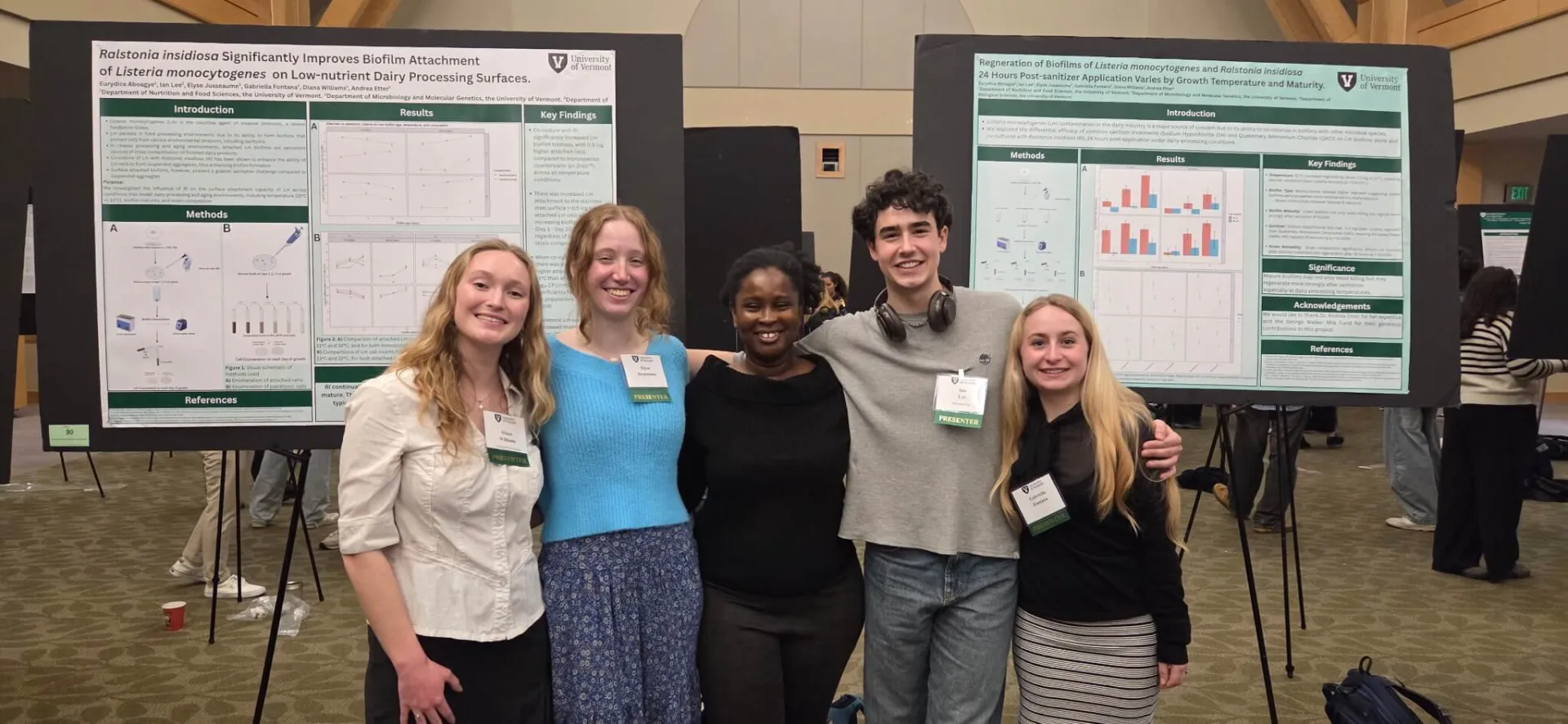
Lee began his studies as a molecular genetics major but switched midway through to the microbiology major. He has also completed the pre-med track throughout his program. “I've been a part of two research labs at UVM, and I really liked my experience in both of them. I was in a really cool biomedical lab in my freshman and sophomore years and was working on implementing and troubleshooting “VirScan”, a phage immunoprecipitation sequencing platform that allows for characterization of anti-viral antibodies in human serum samples. It uses a phage library that displays little viral peptides to essentially scan for antibodies against many known human viruses. You can tell their vaccination history or what sorts of diseases they've been exposed to.
"After changing my major to microbiology, I really wanted to explore microbiology research as well, so I joined up with the Etter lab, which is where I did my thesis and my DUR (Distinguished Undergraduate Research) project work. There, I looked at the dynamics of Listeria monocytogenes biofilm formation in a multispecies context. We wanted to know which environmental factors influence Listeria persistence in cheese-processing environments, specifically during cheese aging and cheese making. All the strains we used in the research were actually taken from Vermont artesian cheese environments. So, it was really fun since cheese is such a big part of Vermont culture and a big part of the local agricultural industry.”
Dr. Etter’s work on Listeria, a pathogen that had a lot of environmental relevance, was really interesting because I wanted to look at -- not only medical microbiology -- but the intersection of human health with environmental and food microbiology as well. She let me join in right away. I started on the Listeria project, even though there were many other projects going on in the lab, as she also works on Campylobacter and Salmonella.
“We worked together to develop another part of the project this semester, which looked at a novel way of inhibiting biofilm formation with this one organic acid produced by lactic acid bacteria, called DL-3-phenyllactic acid. So, for eight weeks, I worked with that compound, poring through literature, developing protocols to test this compound on Listeria biofilms, and actually, I uncovered some very interesting data about the effectiveness of this compound, and its application to the food industry.
“I couldn't speak more highly of the Microbiology and Molecular Genetics department. Not only the classes I've taken, and the people and professors that I've met, but the opportunities that they help you to get are just so incredible. Honestly, I go in all the time and just chat with my favorite professors about life. They're always so happy to just sit down and meet with me, talk through my options, and give me advice."
"Dr. Janet Murray is amazing, and Dr. Rebecca Guy has been especially impactful during my time at UVM. They’ve helped me with most of my class choices, deciding when I was going to apply to med school, and what path would be best for me.”
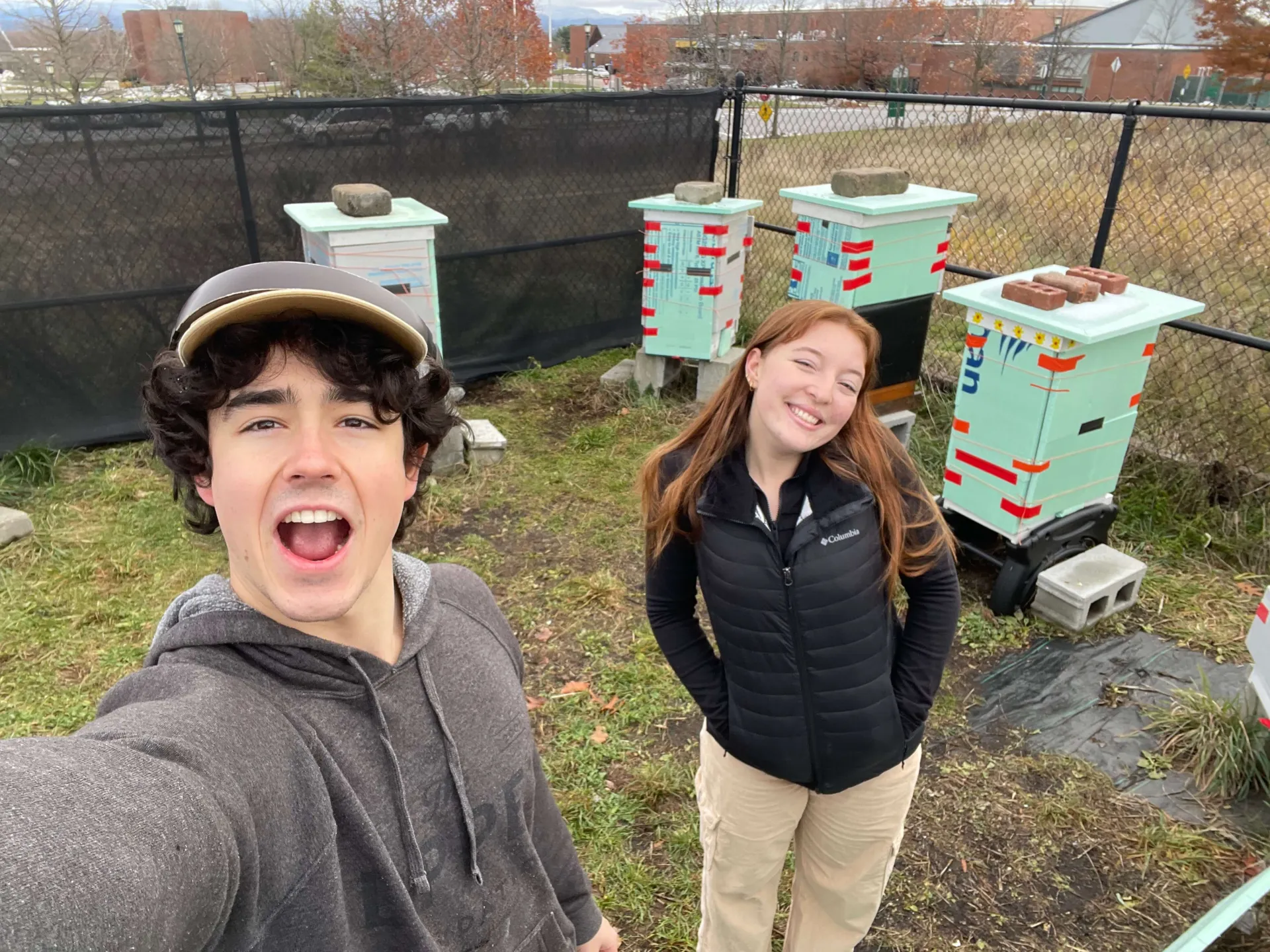
Though Lee has spent a lot of time in the lab, he’s also managed to find lots of other aspects of UVM campus life that interest him. “I've always kind of loved bees, and so that got me involved with the Beekeeping Club.” He was first an officer and later the president of the club. “The Beekeeping Club was really fun because I got to work with the faculty from the Department of Agriculture, Landscape, and Environment in CALS, and that was a very different experience than microbiology and molecular genetics.”
It was the Beekeeping Club Faculty Advisor, Dr. Mark Starrett, who recommended Ian for the Forcier Award, a gesture that Lee says meant a lot to him, “It was really just exceptionally kind of him. It is a really, really big honor and was honestly just nice to be recognized.”
Lee, who has a minor in Spanish, also volunteers with a community organization translating healthcare forms for Spanish-speaking migrants, seasonal workers, immigrants, or anyone who needs Spanish-to-English assistance. It was his love of Spanish that led him to do his second study abroad experience while at UVM. From January to May of his junior year, Lee studied in Sweden, in classes that focused on health sciences and the Swedish health care system, which he describes as “just amazing”. But he then felt the need to study abroad in a Spanish-speaking country to improve those skills.
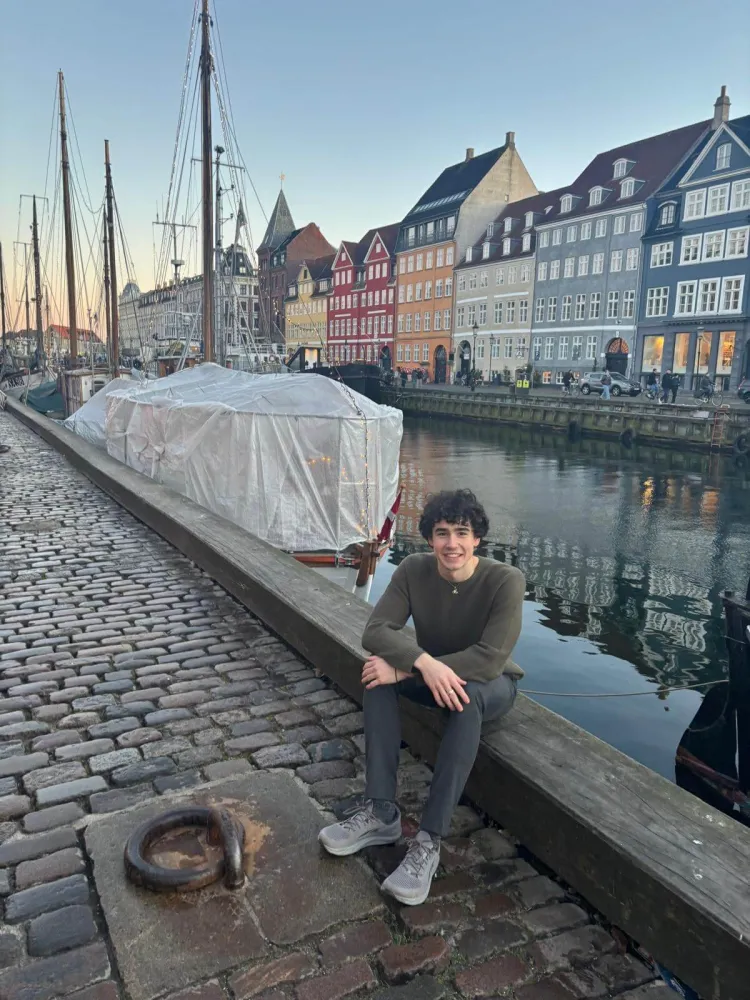
“I was there for two months in Barcelona speaking Spanish, and I definitely got so much better at my Spanish skills during that time, which is great because I would love to use Spanish when I'm a clinician. I think being able to offer someone healthcare in the language that they're intimately familiar with is a lot easier than having a translator. There is a big Hispanic population in Minnesota, and so I'm hoping to transfer that skill into my career.”
Lee also participated in the Premedical Enhancement Program (PEP). This is a pre-healthcare career program that provides exposure to medical careers and the challenges facing the healthcare system today. “You are able to shadow a physician each semester, and attend bimonthly meetings where we have guest speakers, book talks, and much more. There's a book to read every semester that is relevant to whatever the main theme of the semester is. We've focused on addiction, global medicine, and different healthcare professions and specialties. I got to shadow a podiatrist, which I never really considered as a medical specialty before. You also get to go on grand rounds in the hospital, which is where physicians hear about new research or big changes that are going on in the hospital. If a student wants to consider a healthcare profession, this program is a really great option. Anyone can apply for it, in any major.”
One of Lee’s favorite parts of being in Burlington is how different it is from midwestern Minnesota, “It is just so beautiful! I got to see the mountains in the wintertime with the snow-capped peaks, and I got to hike all around Vermont, and just see all this beautiful new topography that I'd never seen before. Also, I recommend people take a trip up to Montreal. That city is kind of like Europe but in North America.”
After graduation, Lee plans to move back to Minnesota and is excited about a scribing job he has with Emergency Care Consultants. This will give him an opportunity to experience the medical field up close while he applies to medical schools.
“It's not just at one hospital, which I like. I’ll really get a good sample of the Minnesota population that I want to work with as a clinician in the future. I’ll also work in a couple of different specialties, which will give me a little more insight into what fields of medicine I want to pursue. I think it will be good to catch my breath and… you know, live a little life before I start medical school.”
Lee’s advice to incoming UVM students is simple. “One of the most important things you can do is ask a lot of questions in your classes. Be curious about the subject matter that you're studying, and it'll help you form real connections with your professors. It’s important that you form this sort of support system because college can get really hard."
"In addition to being very focused on school, make sure that you're carving out time for yourself. I think one of the hardest things that I had to learn was that sometimes it's OK to take a step back and focus on yourself. Focus on making connections with friends, because that's really one of the other big reasons that we're here, to try to find our people and gather a community.”