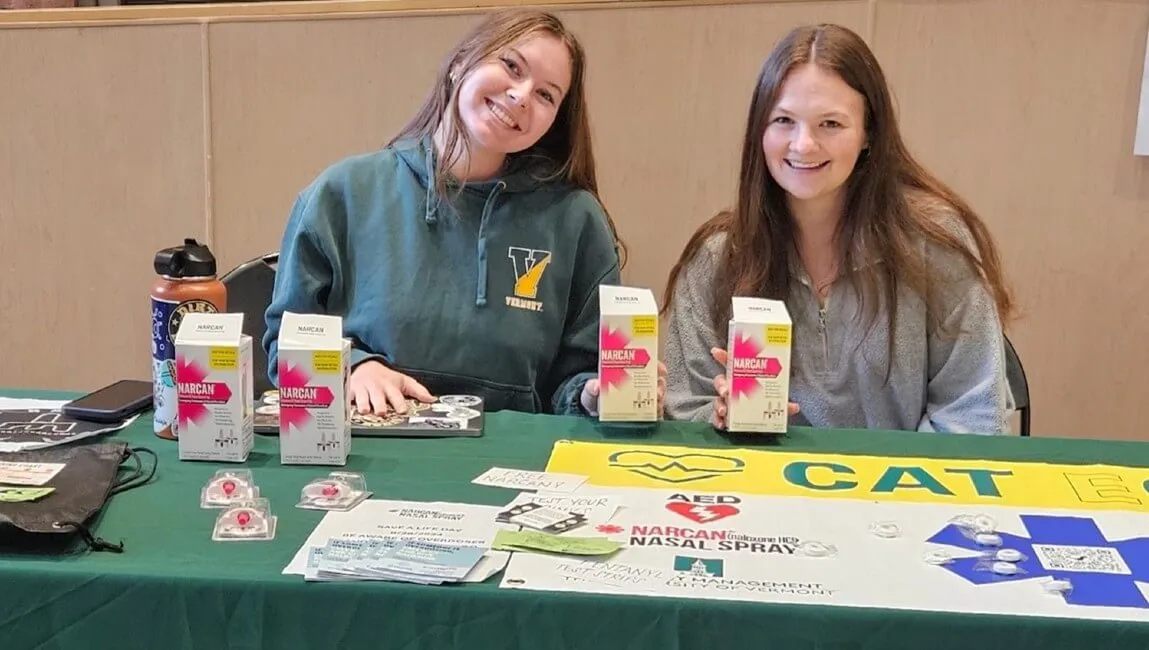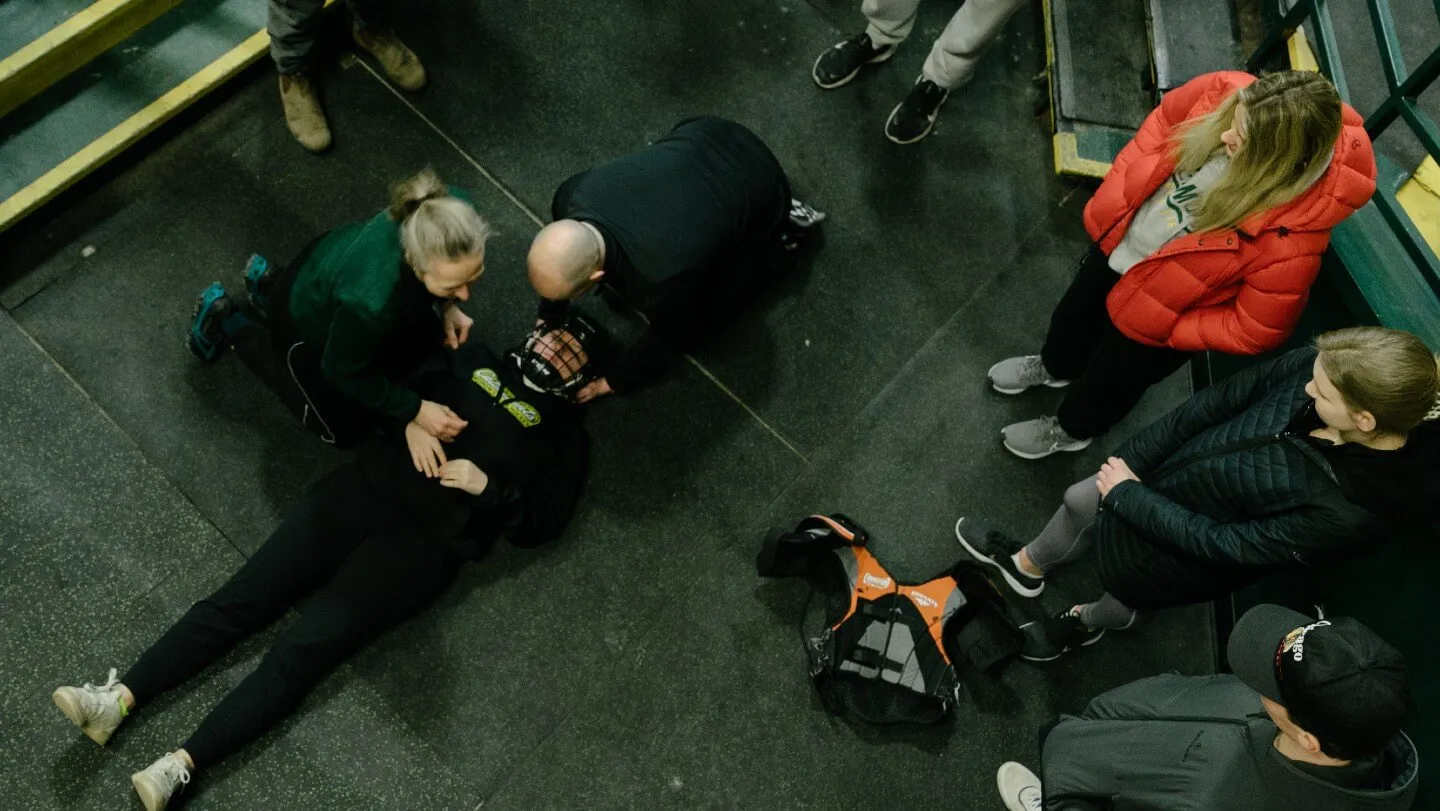
On February 11, the University of Vermont’s Catamount Emergency Care (CAT ECare) program will host a full-day event to teach essential lifesaving skills to faculty, students, and staff. Participants will receive hands-on training in American Heart Association Basic Life Support (BLS) CPR, Stop the Bleed techniques, and Narcan administration, preparing them to respond confidently in emergencies.
CAT ECare uses an innovative peer education model in which students serve as the sole instructors. This approach fosters greater engagement and connection among participants, according to Christopher LaMonda, director of emergency medical services programs for UVM's College of Nursing and Health Sciences.
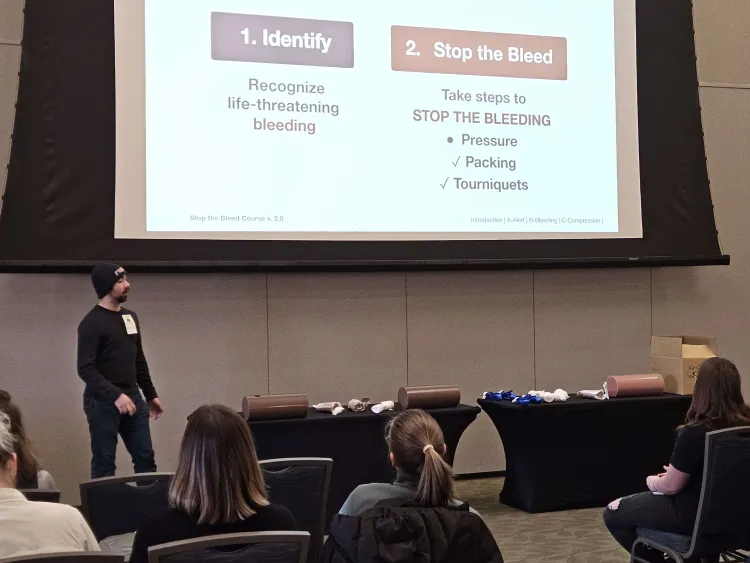
Since its launch in Fall 2023, CAT ECare has become a cornerstone of UVM’s commitment to health and safety education. The program has trained more than 1,600 participants, issued 1,285 BLS certifications, and distributed 1,634 American Heart Association cards. In addition to training, CAT ECare has installed emergency stations across campus equipped with AEDs, bleeding control kits, and Narcan.
“Catamount Emergency Care is built on a commonsense idea that is rarely seen,” LaMonda said. “The program integrates prevention, preparedness, and access through emergency care stations, Cat ECare classes, and awareness campaigns.”
Additional emergency response training is available through the College of Nursing and Health Sciences’ Initiative for Rural Emergency Medicine. Opportunities include Emergency Medical Technician (EMT) certification for those interested in pre-hospital care, an Emergency Medical Services minor for students seeking to integrate lifesaving skills into their academic path, and Wilderness First Responder training for outdoor enthusiasts. These programs complement CAT ECare’s mission and reflect UVM’s broader commitment to preparing the community for real-world challenges, whether in the classroom, on campus, or in the backcountry.