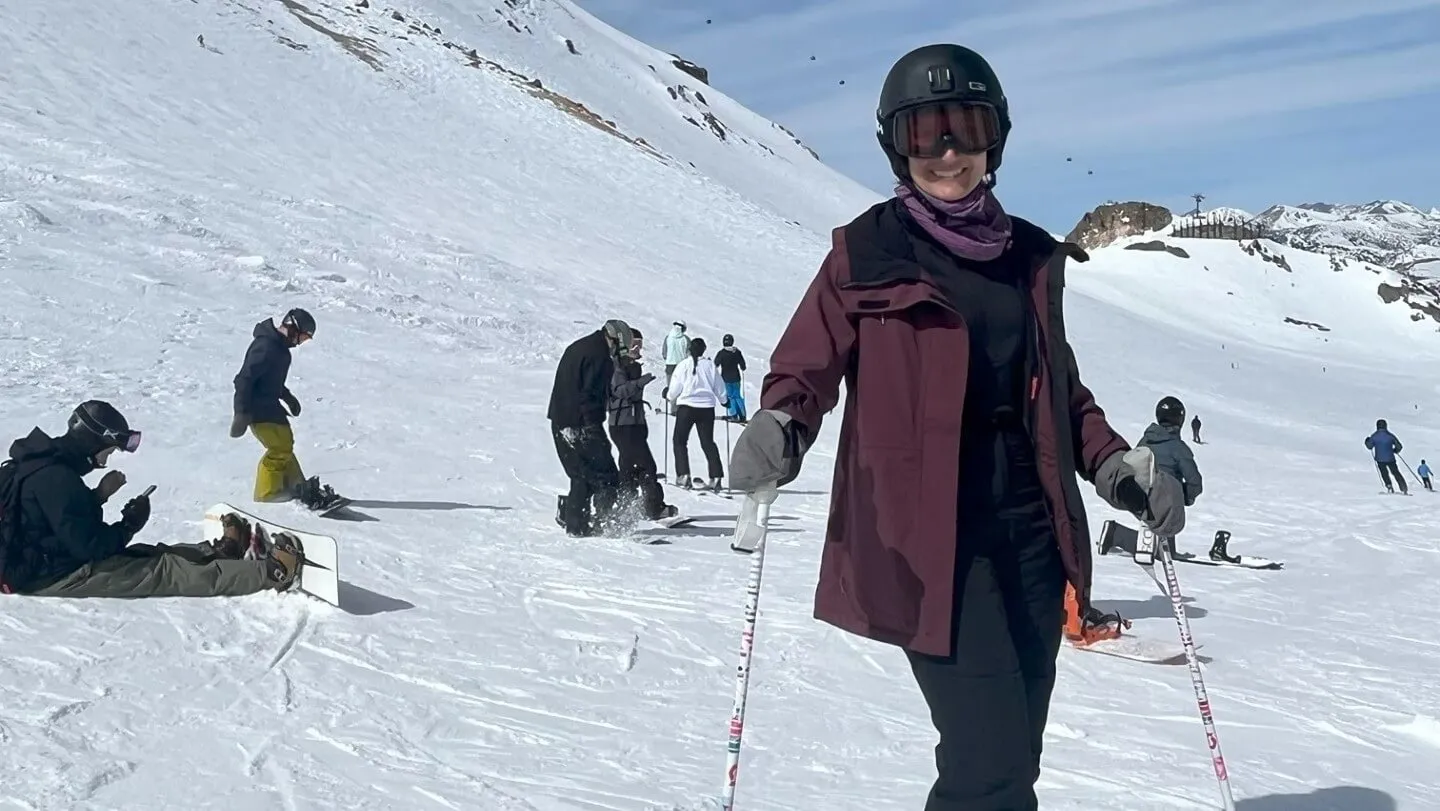
Across the U.S., winter brings shorter days, colder commutes, icy sidewalks, and hectic schedules that can make fitness goals easy to forget. We asked University of Vermont health and fitness expert Professor Connie Tompkins for practical, science-based ways to keep moving and eating well when motivation dips.
Tompkins’ approach is simple: treat winter as a maintenance season, build micro-wins into your day, and let short bouts of activity and soup-smart meals power you to better energy, mood, and sleep—no gym heroics required.
When the temperature dips and daylight dwindles, what’s your go-to advice for maintaining a fitness routine?
Connie Tompkins: One thing I recommend is focusing on maintaining an exercise routine: just moving a little bit every day. Instead of thinking, “I’m going to get in peak shape,” aim for consistency. When it’s dark at 4:30 p.m. and you’re feeling unmotivated, ask yourself: Do you have time earlier in the day? When do you have the most energy during these short days? Try to squeeze in anything you can.
If you only have 15 minutes between meetings, what’s the smartest way to make that time count?
If you can tolerate the cold, head out for a quick walk between classes or meetings. Even 10 minutes helps. Grab a friend for accountability. If it’s really cold, you’ll walk faster, which means more steps. A short walk also shifts your mindset: you’re stepping away from work, taking deeper breaths, and giving yourself a mental break.
How can we approach exercise so it feels less like a chore?
It’s all about how you frame it. Tell yourself, “I get to exercise” or “I get to move my body today.” I think about how miserable I feel when I’m sick and how much I want to feel better, so I remind myself that moving my body helps me stay healthy. Instead of thinking “I only have 10 minutes,” think “I have 10 minutes; I can do this.” Focus on the positive feelings and changes you notice, rather than physical changes, which often take time. People get discouraged when they don’t see immediate results, and give up. One positive health activity leads to another; they build on each other. If you’re having a down day, you’re more likely to reach for unhealthy snacks and stay stuck in that mindset. Getting out earlier in the day sets the tone.
Any advice for people who exercise routinely, but find it more challenging to maintain in winter?
Be easier on yourself. It’s okay to take it slower during these months. You’re not going to reverse all the progress you’ve made. Focus on maintenance.
What are your best tips for planning quick, healthy meals that are budget-friendly?
This time of year, you want comfort food. So make it healthy: a turkey chili with canned beans, lean ground turkey, and lots of vegetables. My go-to in winter is soup. Soups can be inexpensive and are a sneaky way to get your vegetables in. You can blend them, so you don’t even taste the veggies. Frozen vegetables work well too and are often less expensive. You still get that warm, comforting sensation.
You’re a fitness expert and in great shape. What are your biggest challenges this time of year?
The busyness and stress of the season are big challenges. I notice a change in my mood when I don’t make time to move my body, and it’s not positive. Exercise is self-care. When you skip it, it affects more than your weight or how your clothes fit, it impacts your mood. Mental health is the priority this time of year. People often focus on physical changes and overlook how they feel: Are they sleeping better? More patient? I tell people to track how they feel. Write down how you feel before and after exercise. Maybe you don’t want to go, so set a timer for 10 minutes and start moving. At 10 minutes, you might decide to go another 10 or give yourself grace to stop. Document how you feel afterward: energized, hungry, or proud you tried. It’s about noticing those changes.
If you had just five minutes to give someone fitness and nutrition advice, what’s your best tip?
I’d ask, “When did you feel your best, and what were you doing?” Maybe it was following a certain nutrition plan, doing yoga three times a week, or spending time with others. Try to find that again. If it involves other people, adopt friends’ habits. Be the friend who encourages others: “Come with me for a walk.” Or latch onto the active friend and ask for help. If they’re friends, they’ll support you.
Exercise and eating well make us feel good, so why don’t we always prioritize them? What gets in the way?
Sometimes we prioritize others—work, employers, family—over ourselves. But I can’t be the best employee, mother, or spouse if I’m not feeling my best. Moving my body helps me feel better, and I put it on my to-do list and in my calendar. The work and laundry will still be there when I get back. Take 20–30 minutes, even an hour. Everything will still be waiting, and you’ll come back more efficient and energized.
What’s one underrated seasonal ingredient that can fuel an active lifestyle?
This might be a little surprising, but here in Vermont, you’ll see people drinking our famous maple syrup. Maple syrup can be a healthy carbohydrate to have before, during, or after a workout for a little burst of energy. Vermont apples in the fall are great too, and even better when combined with maple syrup.
Connie Tompkins is an associate professor and UVM’s undergraduate exercise science program director, with a secondary appointment in Pediatrics at the Larner College of Medicine. Her research focuses on behavioral and lifestyle strategies for weight management and metabolic health, emphasizing obesity prevention and treatment. With experience studying body composition, physiological responses to exercise, and the metabolic effects of obesity, Dr. Tompkins brings a deep understanding of how physical activity influences longevity and chronic disease prevention. She also leads interdisciplinary projects promoting healthy habits in children and adults.
UVM faculty can join the new UVM Experts Database.
Ways to Embrace Winter Outdoors
There are so many ways to get outside and enjoy winter’s wonders. Bundle up and give these a try:
- Explore seasonal outdoor activities like cross-country skiing or snowshoeing.
- Set a weekly date with a friend to get outside—whether it’s skiing or just a walk. Make it social to help keep you accountable.
- Check out the UVM Campus Recreation website or search “Recreation and Fitness” on the UVM calendar.