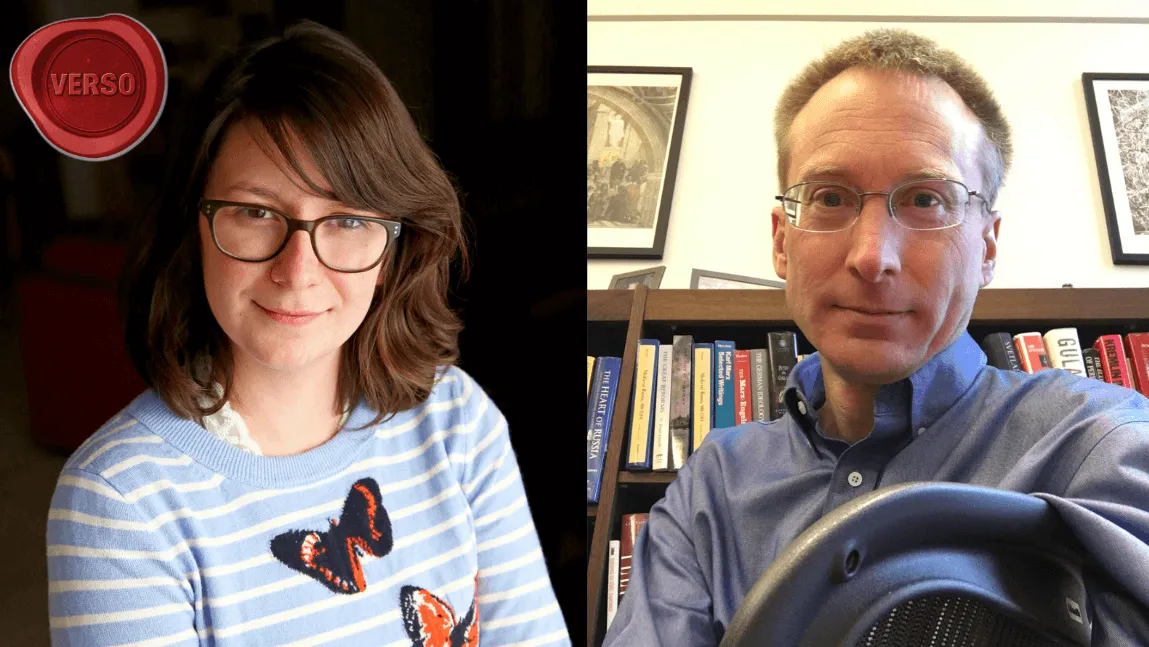
VERSO, the official Open Source Program Office at the University of Vermont, has received generous support from the Alfred P. Sloan Foundation to build an open-source community through high-impact software projects, community development, and education. Funds from this grant support an ambitious set of activities at UVM developed by a group of people from three different parts of campus: the Library, the Complex Systems Center, and the Office of the Vice President for Research.
Led by Juniper Lovato and Bryn Geffert, in the Vermont Complex Systems Center and Library, respectively, the VERSO team will build relationships with university stakeholders to create infrastructure for centralizing open-source activity, engage the broader community around an initial set of open-source projects, conduct trainings and create educational materials, and use all of the above as a case study to conduct open-source ecosystems research. In short, open source opens up the “potential to produce tools that are not only freely available to everybody to use, but also freely available to modify and improve,” according to Geffert.
Innovating from Industry
Open Source Program Offices (OSPOs) are an organizational innovation developed initially by companies in the tech sector as a way to institutionalize support for open source software projects of strategic relevance to the business’s interests, market, and workforce. The innovation has begun to be adopted by universities, with OSPOs being created as a useful formal mechanism for supporting open-source software relevant to the research and teaching interests of faculty. “VERSO is one of the first OSPOs to be located in a university, typically OSPOs have only lived in industry,” said Lovato. “It is really exciting to be at the forefront of this effort and help bring OSPOs into public institutions. We can show the community the power of multi-disciplinary work and open science.”
University OSPOs offer training and support for faculty, students, and staff who want to grow local software efforts into healthy open-source projects, aid faculty contribute to existing projects, document the value of open-source work, and facilitate relationships between researchers and other academic units like technology transfer, research computing, or libraries.
Lovato said, “Open-source software has always been a way to bring people together from far reaches of the world to solve a problem and share their knowledge. VERSO can bring multi-disciplinary knowledge together on the UVM campus.”
Beyond the Code
The potential positive impacts of bringing together such disparate knowledge is far-reaching, according to Lovato. “The VERSO community will empower technical writers working on governance and documentation; educators and mentors training contributors and maintainers; community developers organizing events; administration working on open resource sharing processes, and innovators managing the development pipeline.”
VERSO will work over a two-year period to: 1.) build a new open source community via high-impact open source software projects as its nexus; 2.) document the growth and development of the VERSO community as it emerges; 3.) work alongside the UVM OCEAN research team to investigate research questions related to open source ecosystems; and 4.) build an organizational infrastructure and systems at UVM allowing VERSO to store, share, and facilitate the creation of open source software. Their goal is to carefully document the successes and struggles of VERSO so other universities can learn from the experience and adopt similar projects.
According to Geffert, one potential project is developing software for “controlled digital lending,” which will allow libraries to digitize print material and lend that material to each other in controlled, regulated ways. That can “vastly increase our ability to share materials across the ether while still remaining within the boundaries of copyright law”, Geffert says.
Mission Driven
Geffert reflects on what this means for UVM as a Land Grant Institution. “It is exactly the kind of award a land-grant institution should pursue—one that recognizes the institution’s commitment to the common good, and one that seeks to push the accomplishments of the academy out to the greatest number of people.” Lovato agrees that the “creative and collaborative” landscape of open-source efforts is limitless. “I hope this is just the beginning of a long effort toward building bridges and cutting-edge open science resources at UVM.”