Areas of expertise
Modern East-Central Europe, nationalism and the radical right, women and gender, Holocaust, history of emotions, modern Russia and Ukraine
BIO
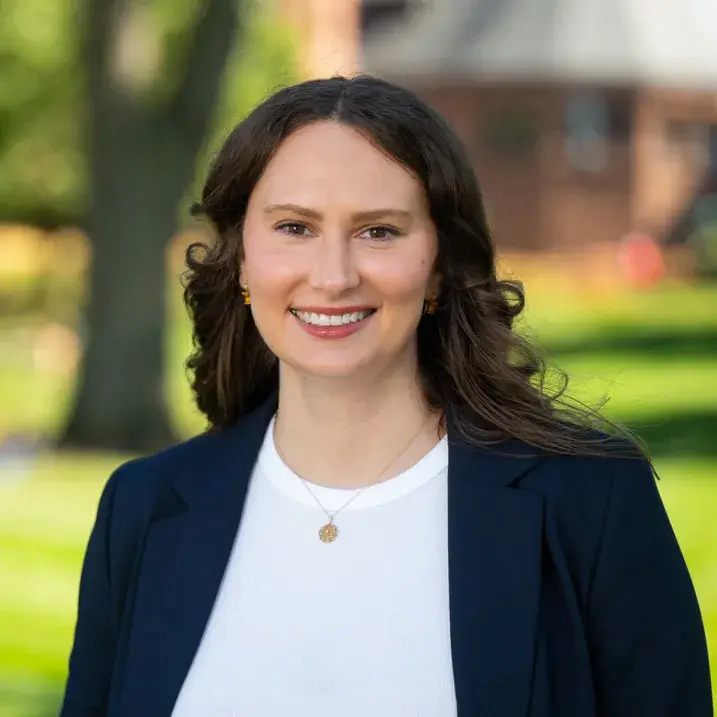
Anastasiya Novatorskaya is a Postdoctoral Associate in History and Holocaust Studies at the University of Vermont. She earned her Ph.D. in Modern European History from Northwestern University and her B.A. from Sarah Lawrence College. She is interested in women's involvement in nationalism and the radical right, with a particular focus on how emotions and labor shaped political life in twentieth-century East-Central Europe.
Her current book project, provisionally titled Affective Sovereignty: Women, Feeling, and the Nationalist Right in East-Central Europe, explores women's role in crafting the ideologies and affective ties that bolstered radical nationalism in East-Central Europe during the twentieth century. It argues that women's intellectual labor and gendered understandings of authority lent credibility visions of nationhood. The project explores how women's investments in the nation came to serve as a source of political legitimacy for movements that worked to limit women's own rights and authority.
At UVM, she will teach 20th Century Russia and a graduate seminar on Politics and Emotions in Modern Europe. She also contributes to the teaching and programming of the Miller Center for Holocaust Studies. She believes that history should be accessible and welcomes the chance to mentor students. In her spare time, she enjoys skiing, even if poorly, as well as restoring mid-century modern furniture.
Bio
Anastasiya Novatorskaya is a Postdoctoral Associate in History and Holocaust Studies at the University of Vermont. She earned her Ph.D. in Modern European History from Northwestern University and her B.A. from Sarah Lawrence College. She is interested in women's involvement in nationalism and the radical right, with a particular focus on how emotions and labor shaped political life in twentieth-century East-Central Europe.
Her current book project, provisionally titled Affective Sovereignty: Women, Feeling, and the Nationalist Right in East-Central Europe, explores women's role in crafting the ideologies and affective ties that bolstered radical nationalism in East-Central Europe during the twentieth century. It argues that women's intellectual labor and gendered understandings of authority lent credibility visions of nationhood. The project explores how women's investments in the nation came to serve as a source of political legitimacy for movements that worked to limit women's own rights and authority.
At UVM, she will teach 20th Century Russia and a graduate seminar on Politics and Emotions in Modern Europe. She also contributes to the teaching and programming of the Miller Center for Holocaust Studies. She believes that history should be accessible and welcomes the chance to mentor students. In her spare time, she enjoys skiing, even if poorly, as well as restoring mid-century modern furniture.