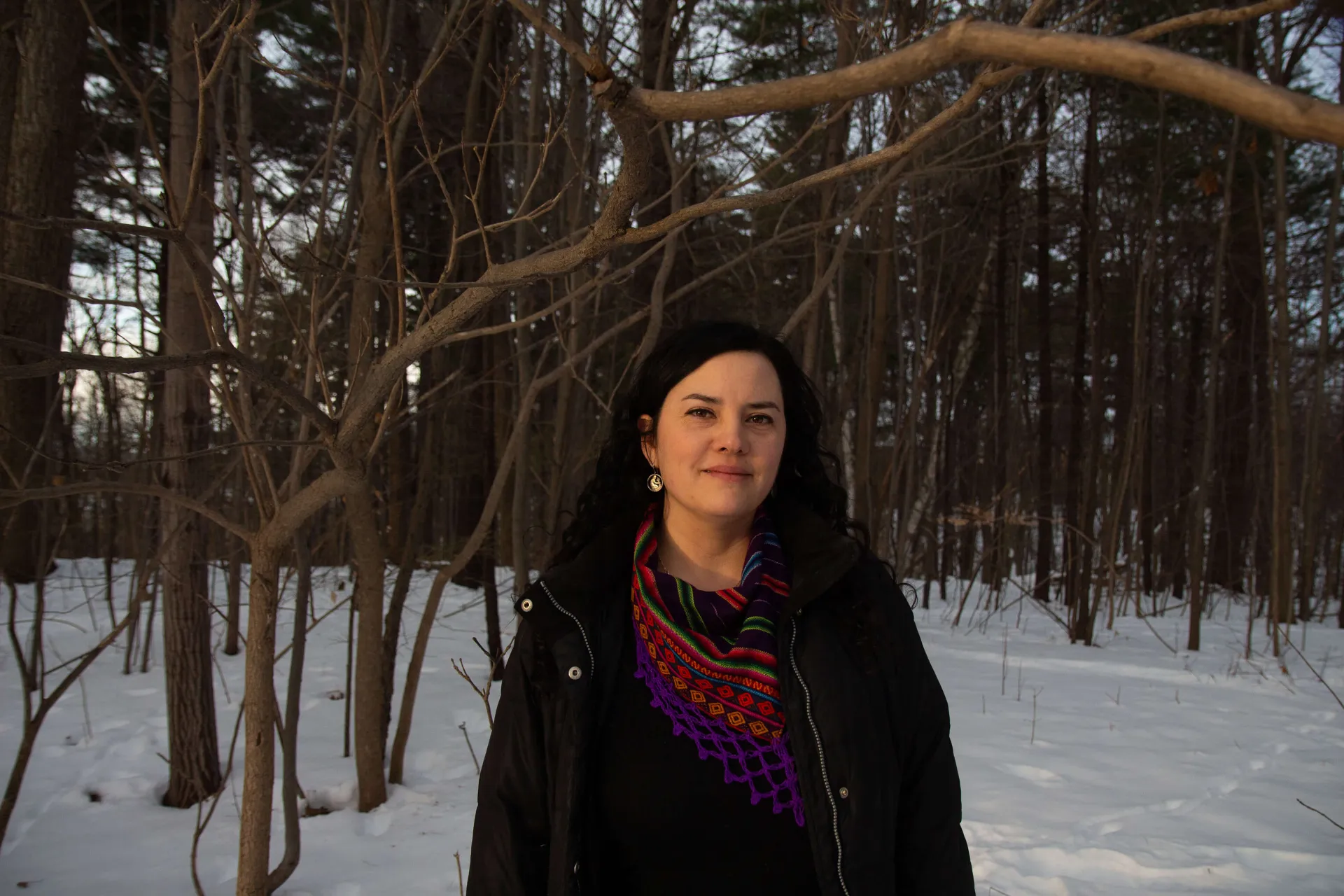
But what began as an upbringing rooted in agricultural work has evolved into a multifaceted academic journey focused on building more accessible, just, and sustainable food systems. Rose arrived at UVM through the Rubenstein School of Environment and Natural Resources, initially unsure of the exact path she wanted to pursue. Over time, and after switching majors three times, she found her academic home in the Food Systems major, a program that uniquely integrates social, environmental, and economic perspectives.
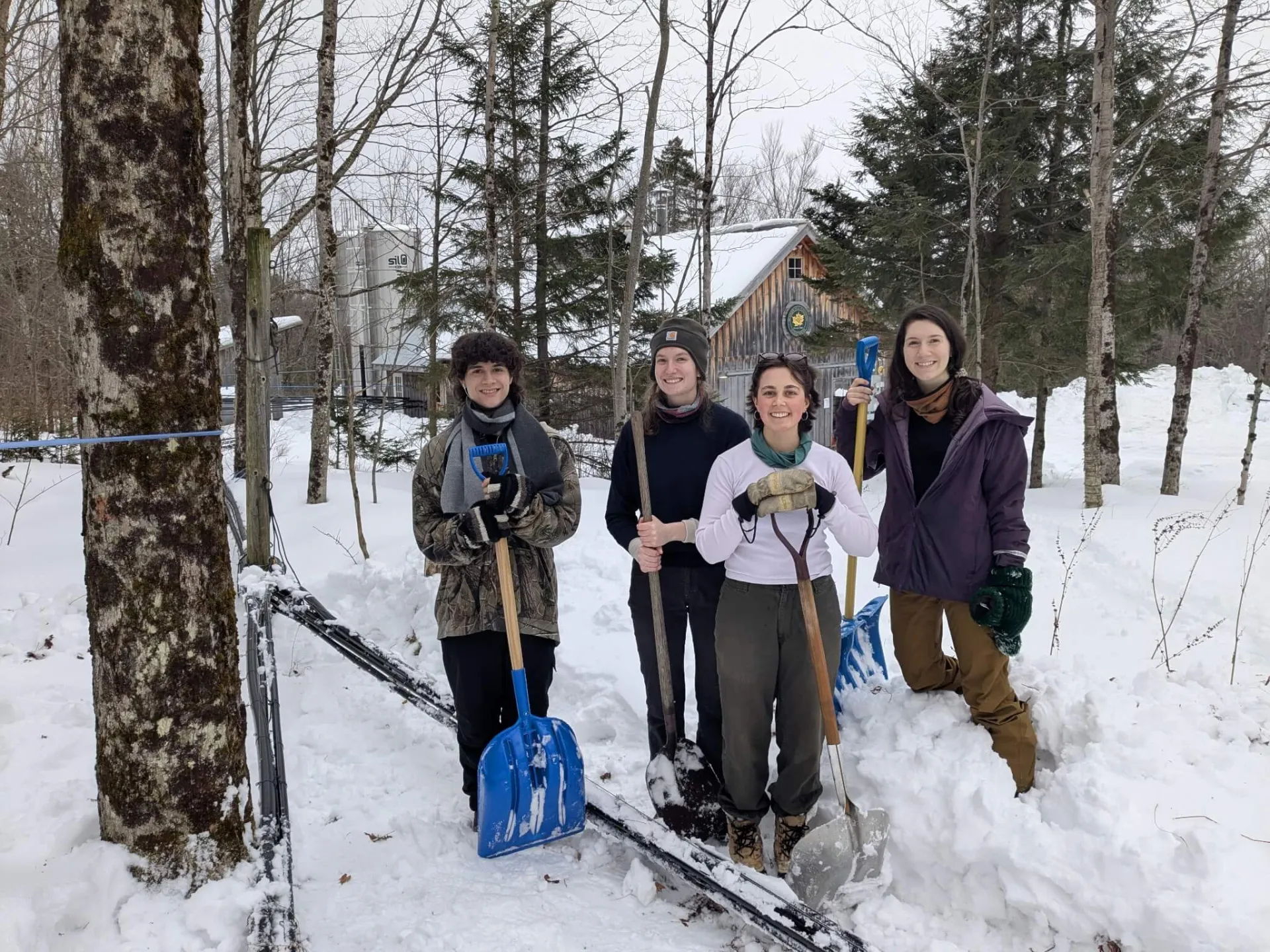
In the fall of her sophomore year, Rose interned with Common Roots, deepening her understanding of food access, education, and community‑centered food initiatives. In her senior year, she has been involved in two internships that reflect the breadth of her interests. As an undergraduate research intern at the Proctor Maple Research Center, she works in natural science research environments focused on forestry, ecology, and agriculture. At the same time, she serves as an Intergenerational Meals Facilitator Intern with the Catamount Community School Collaborative (CCSC), supporting community‑based programming that brings people of different ages together around food. Collectively, these hands-on experiences have shaped both her academic direction and her long-term goals.
“I have really enjoyed my experiences in both internships and all the social and natural sciences research I have been involved with.”
Rose's achievements in her Food System program were recognized this year when she was selected for the Food System Practitioner Award, an honor that highlights students who pair academic excellence with meaningful community engagement. That engagement is evident across her undergraduate experience, which blends research, internships, and service. In the words of Kerry Daigle, who nominated Rose for the award, “Since the beginning of her time as a Food Systems student, Madeline has been very creative in the way she explored and applied her food systems interest. In addition to her core requirements and concentration in CID, Madeline took elective coursework across ALE, Nutrition and Food Science, and Plant Biology. Madeline’s impressive senior year work is just the start of the many ways Madeline will go on to better our food system.”
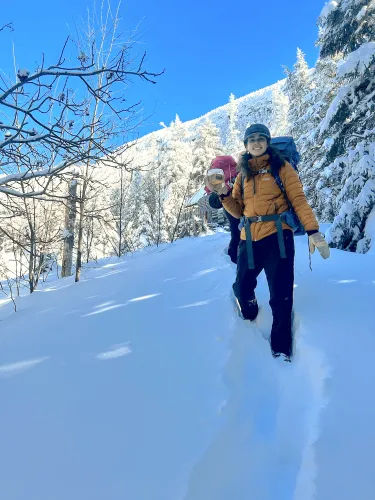
Outside the classroom, she has been deeply engaged in student life. Over the years, she has been a member of the Slow Food Club, the Contra and Folk Dancing Club, the Outing Club, and the Women’s Crukus Ultimate Frisbee Team, which she joined specifically to try something completely new. She also served as an officer in the Birding Club, reflecting a long‑standing appreciation for the natural world.
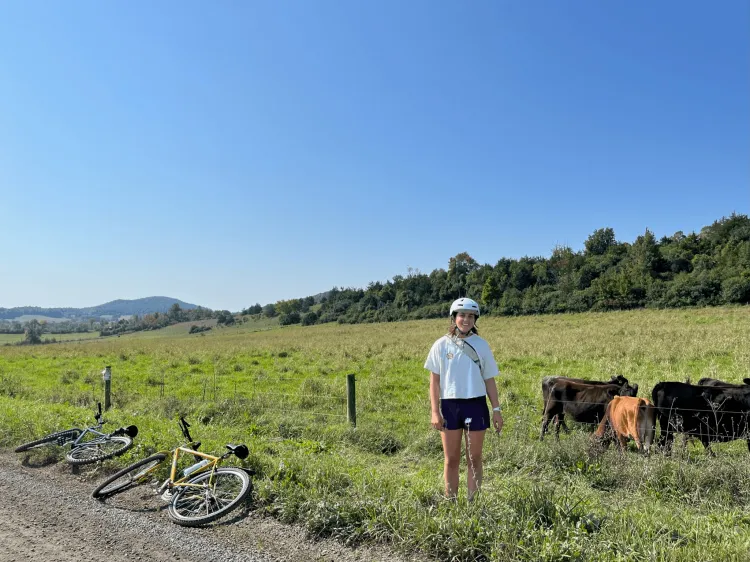
In Spring 2025, she studied abroad in Perugia, Italy, through the Food Systems program at Umbra University, where she expanded her understanding of food culture, policy, and sustainability in an international context.
Emily Belarmino, an Assistant Professor in Nutrition and Food Sciences and Director of the undergraduate Food Systems program, describes the reasons for Rose’s success. “Madeline has thrived in the Food Systems program, which allows students to choose their own areas of specialization to meet their specific integrated learning goals. Her curiosity and love of learning led her to double-minor in Community and International Development and Nutrition and Food Sciences.”
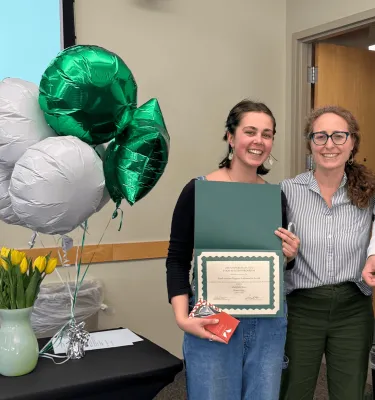
Rose’s advice to prospective students expresses how deeply her unique interests drove her time at UVM: “Join a club! Find one that interests you, it could be something you have never done, but you’re curious about,” she emphasizes. “And go at least three times. That’s when you really put yourself out there and often find a community you didn’t even know you were looking for.”
Among her most influential academic experiences was the course, "World Food, Population, and Sustainable Development," taught by Travis Reynolds. The class challenged her to think critically about global food systems, inequality, and sustainability. “That course really changed how I see the world,” she says, and it ultimately motivated her to explore volunteering with the Peace Corps, a goal she hopes to pursue after graduation.
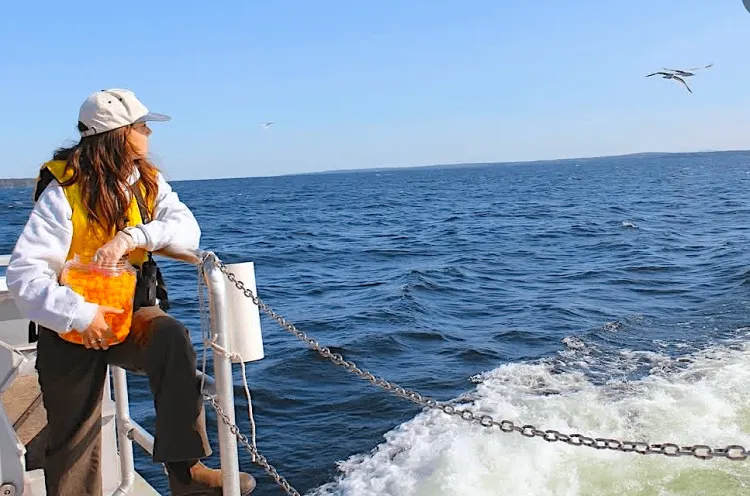
Looking ahead, she hopes to gain further hands-on experience across different sectors of our food system. This summer, she plans to work in the fishing industry in Maine, either lobstering or oyster farming. Long-term, she hopes to volunteer with the Peace Corps in South America, working in agriculture or the health sector.
Her time at UVM has given her the tools, experiences, and confidence to keep pursuing what interests her, wherever her path leads next.