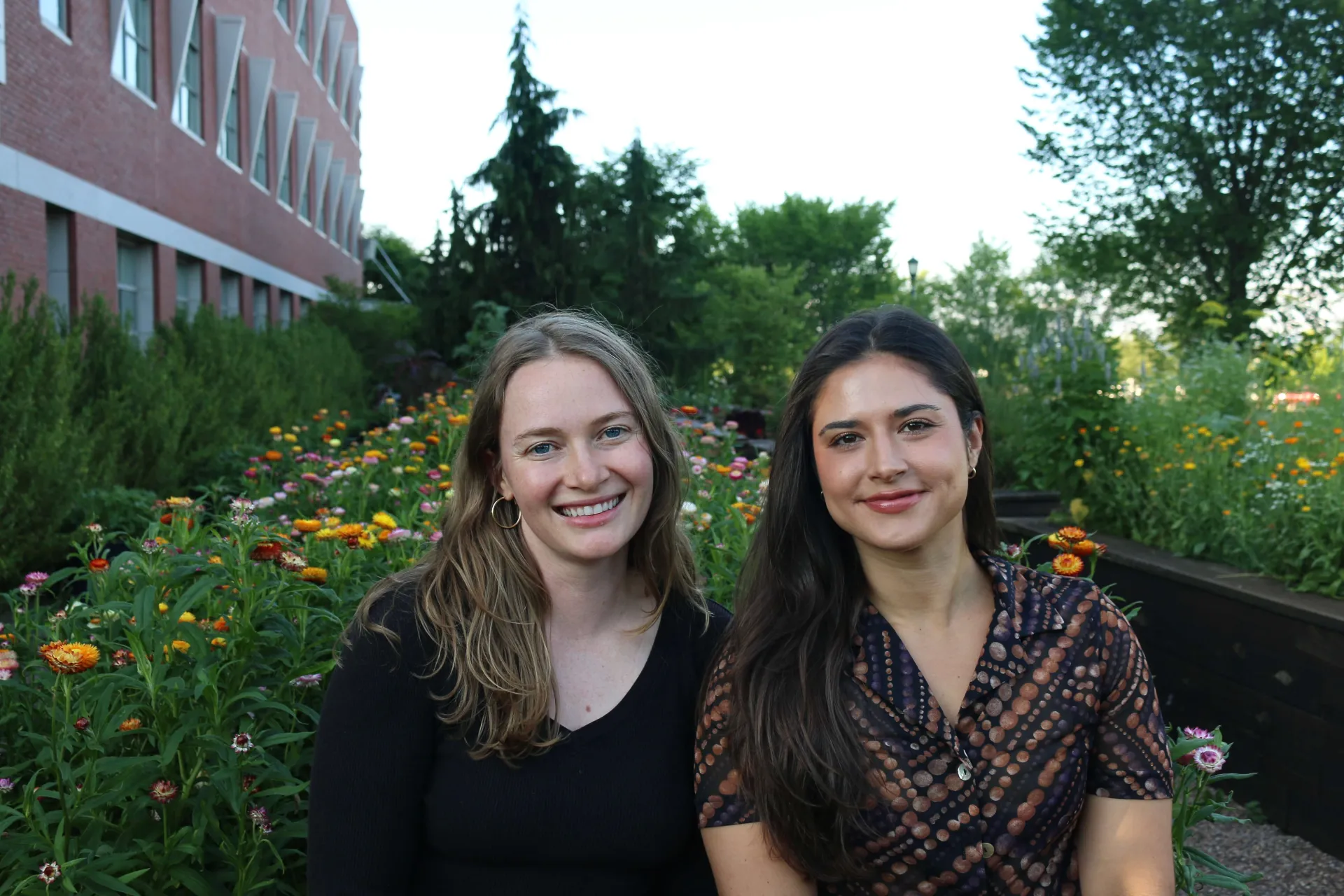
Earning the award in the same year, as roommates, best friends, and collaborators in spirit, has made it even more exciting.
Christensen and Nikfarjam recently each received highly competitive USDA National Institute of Food and Agriculture (NIFA) Predoctoral Fellowships, awards that support emerging research, education, and Extension professionals. Launched in 2010 under NIFA’s Agriculture and Food Research Initiative (AFRI) Education and Workforce Development program, the fellowship is widely viewed as one of the most prestigious honors available to graduate students pursuing careers in agriculture, food systems, and natural resources. Under 10% of applicants are selected nationwide each year. In the program’s 16-year history, only six UVM doctoral students have received it – Christensen and Nikfarjam bring the total to eight.
For Christensen and Nikfarjam, the award recognizes years of research, teaching, and public engagement. But it also shines a light on something less common in academic success stories: a friendship that has helped sustain two researchers working at opposite ends of the agricultural spectrum as they pursue a shared goal of creating practical knowledge that benefits farmers and communities.
A Friendship Built at UVM
The pair met in 2021 during the first year of their graduate programs at UVM. A mutual friend, who predicted they would get along, introduced them. The prediction proved correct. What began with a meal at Saigon Kitchen quickly developed into a close friendship. Now they are roommates and one another’s sounding board for everything from research ideas to grant-writing strategies.
Though both are ultimately contributing to the broad field of agricultural knowledge, their specific research couldn't be more different. Nikfarjam studies food systems, agroforestry, and the social dimensions of agricultural change. Christensen studies the molecular and genetic mechanisms behind insecticide resistance in agricultural pests. They joke that there is very little “cross-pollination” between the technical content of their projects. Still, reading each other’s grants and research papers and trying to understand the other’s research to offer constructive criticism, they admit, has helped each of them broaden their understanding of different issues in science and sharpened their ability to communicate science in general.
“We worked on this USDA grant application together,” they explained, noting that each application exceeded 50 single-spaced pages and required months of drafting, revising, and refining. Throughout the process, they offered feedback, encouragement, and ultimately celebrated two fellowship wins instead of one.
Two Different Paths, One Shared Mission
Nikfarjam came to UVM’s Food Systems doctoral program after earning her undergraduate degree in Sustainable Agriculture at the University of Massachusetts, Amherst, and a master’s degree in International Development from the University of Oregon. She was drawn by UVM’s systems-based, interdisciplinary approach, and the opportunity to work with Dr. Teresa Mares, whose research on food sovereignty and migrant farm workers has had a significant impact across the Northeast.
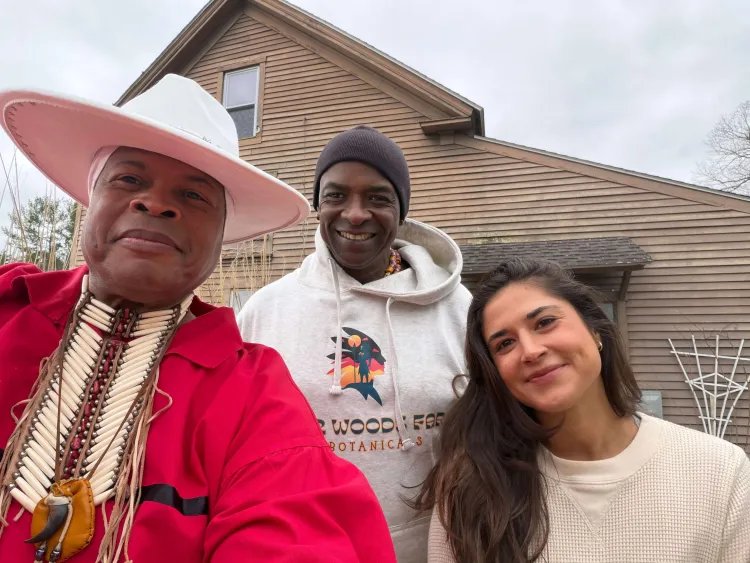
Her dissertation examines how agroforestry, the integration of trees and shrubs into farms and working landscapes, can be more widely adopted. Although agroforestry can strengthen farm resilience, diversify income, and provide many ecological benefits, uptake remains limited in our region.
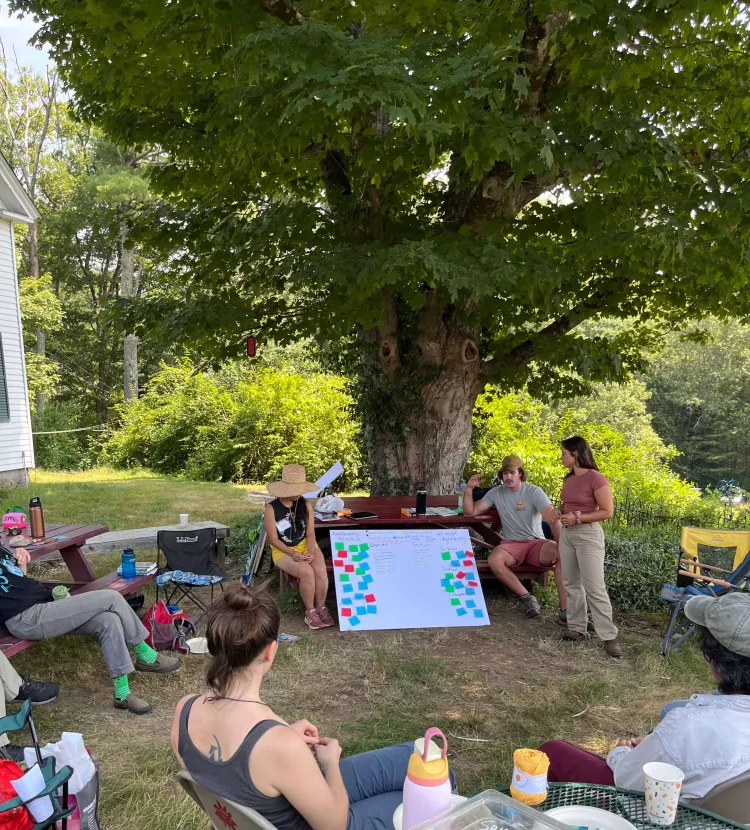
“We know there are environmental and economic stressors facing farmers and we know agroforestry can help create more resilient farms and food systems,” Nikfarjam said. “My research looks at what farmers need to put these practices into place and how institutions can support them more effectively.
Christensen completed her undergraduate studies in Entomology at the University of Georgia and her MPH in Biostatistics at Georgia State University. Like Nikfarjam, Christensen was drawn to UVM by the opportunity to work with a specific graduate advisor, in her case, entomologist Dr. Yolanda Chen, a leading researcher in agricultural pest management. Christensen also has found UVM’s smaller, highly collaborative academic community particularly attractive.
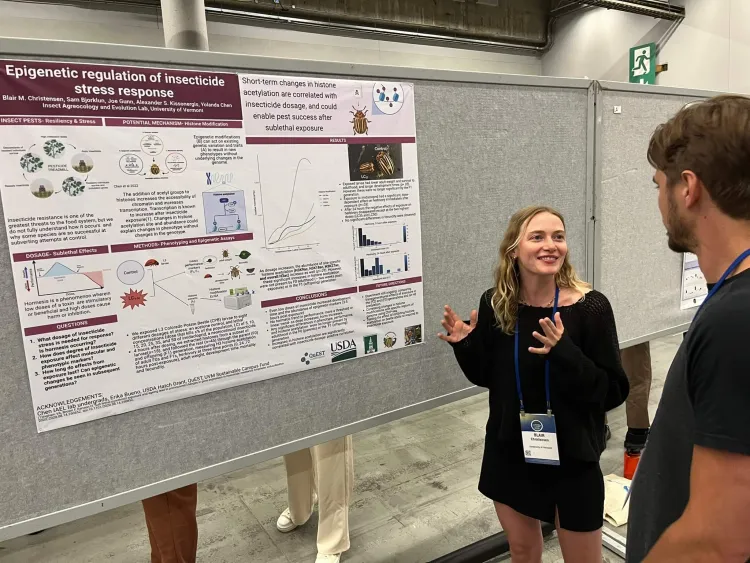
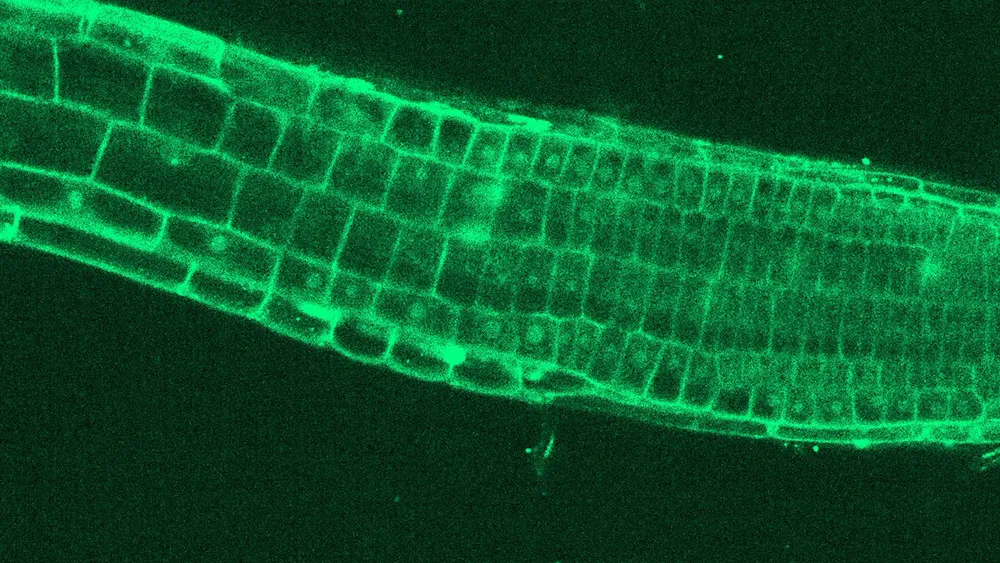
Her research investigates one of agriculture’s most persistent challenges: why some insect pests become resistant to pesticides while others do not. Using advanced molecular and epigenetic approaches, Christensen studies the biological mechanisms that enable certain insects to survive repeated exposure to insecticides.
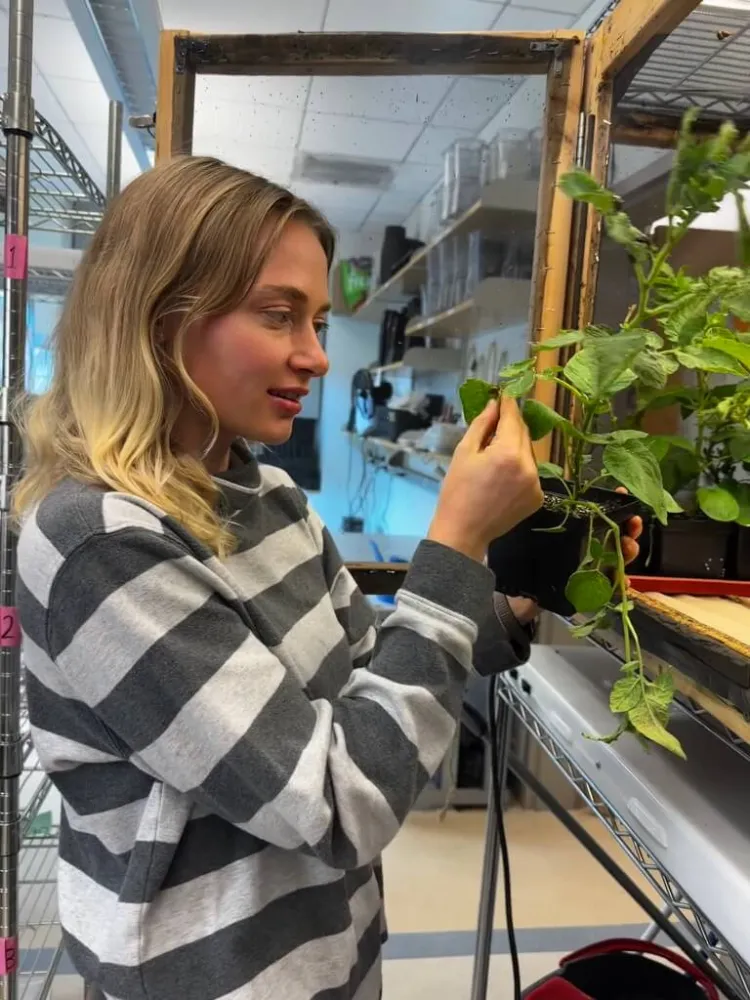
Although their scientific methods differ dramatically, both researchers are motivated by the opportunity to make science useful and accessible. They have found that UVM students and members of the broader Vermont community are deeply interested in learning about agriculture, food, and the environment.
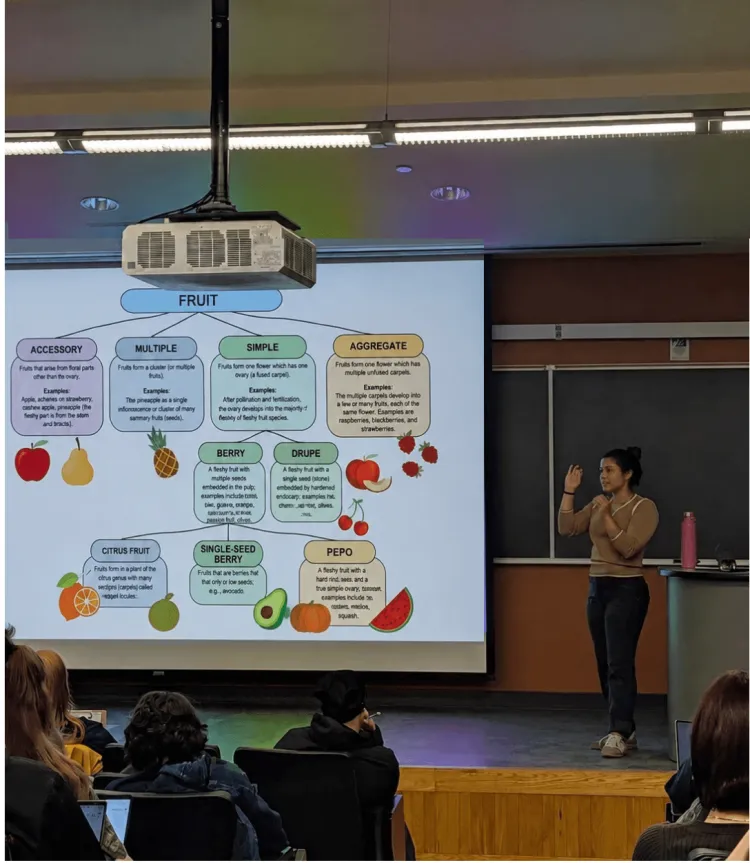
Nikfarjam recently served as the instructor for Introduction to Agroecology, a large lecture course that many undergraduate students take to fulfill their natural science gen-ed requirement.
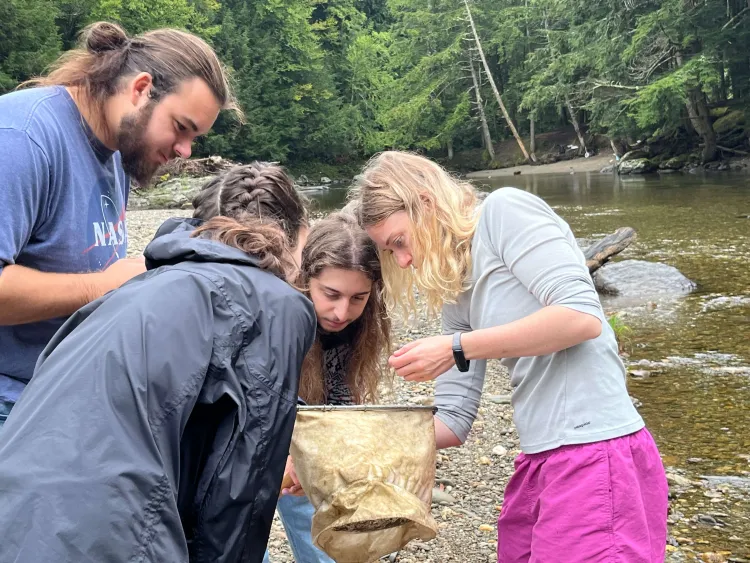
Christensen, who recently received UVM's Teaching Assistant of the Year Award for her lab instruction in Entomology, similarly sees education, outreach, and science communication as central to her work. Christensen explains why UVM was the right choice for her research,
“Vermont is a great place to study agriculture because there are so many small farms. I feel like the public in Vermont is very open to science and to listening to and discussing science. Overall, it is a really great place to be a scientist and interface with the public and with students.”
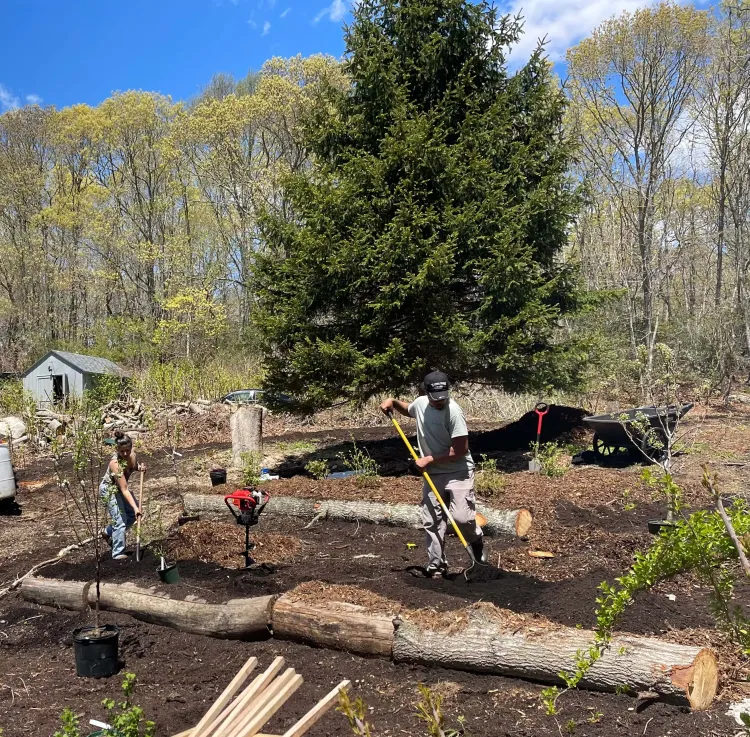
“We really want information to reach farmers, students, and communities,” Nikfarjam adds, emphasizing the importance of UVM Extension and public-facing research.
Research Designed for Real-World Impact
For Nikfarjam, her desired impact begins with trees. She often summarizes her mission with a simple phrase: “More trees on farms!”
Nikfarjam studies how farmers can adopt tree-based systems and what barriers they face. Her work examines issues ranging from technical assistance and policy support to access to funding and land availability. She believes agroforestry has enormous potential throughout New England but remains underutilized.
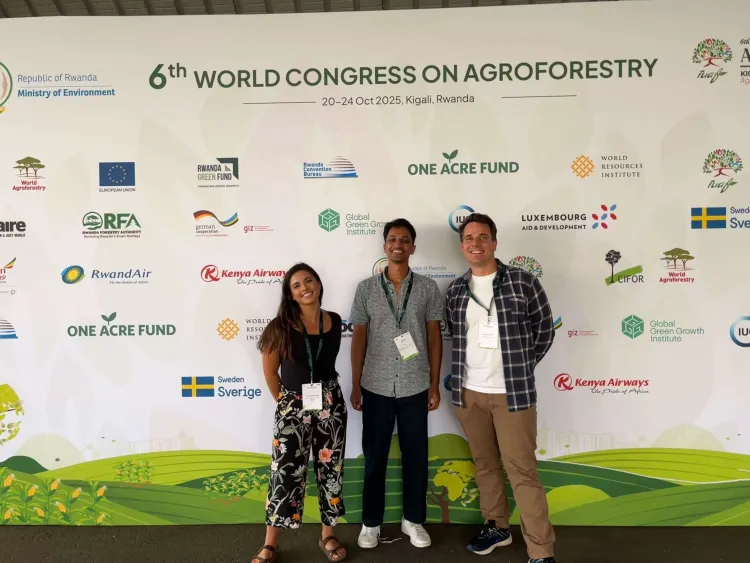
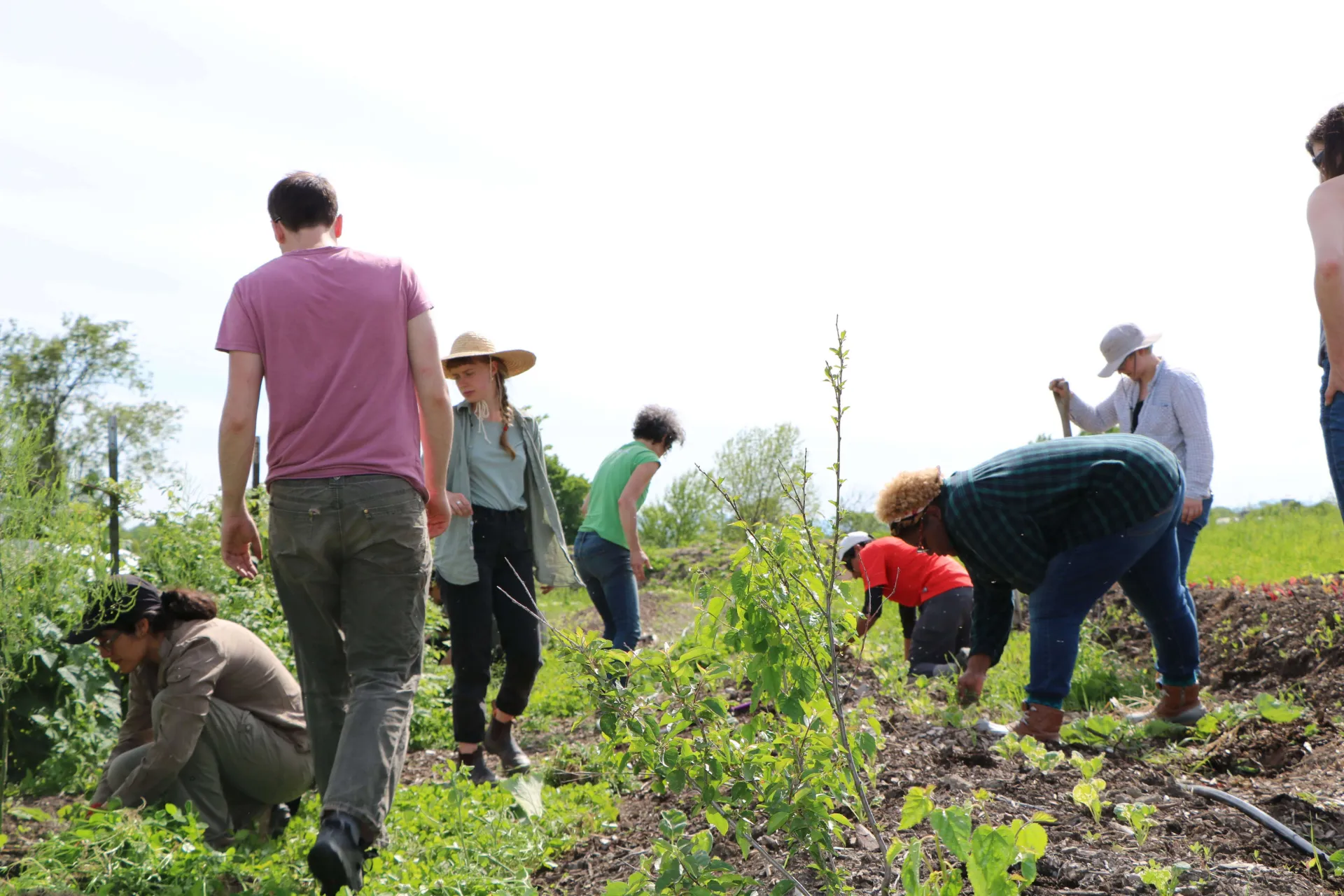
Her work also involves community-based projects that help people establish food forests, introducing more farmers and community members to the ecological and agricultural benefits of perennial plant systems. Her long-term vision is to expand support networks and public programs that make sustainable farming practices accessible to more producers.
“I think we need funding to get into the hands of farmers,” Nikfarjam stresses. “Farmers know how to farm. What they need is financial support and programs that work for them.”
Nikfarjam’s work has been strengthened by several interdisciplinary communities at UVM that share an emphasis on solutions-oriented research, science communication, and policy change. Her doctoral studies were supported by a Food Systems Research Institute Fellowship from 2022 to 2023, and she is currently a graduate fellow with both the Gund Institute for Environment and the Institute for Agroecology. Her work was also supported by a Sustainable Agriculture Research and Education (SARE) graduate student grant in 2023. These institutions have provided an intellectual community as well as funding for research, conference participation, and professional development.
Christensen’s desired impact focuses on reducing agriculture’s dependence on the cycle of increasingly intensive pesticide use.
Her research seeks to explain why resistance develops in some pest populations and how understanding those mechanisms could lead to smarter, more targeted management strategies. Rather than relying solely on new chemical products or regulations, she hopes to help stakeholders better understand the biological processes driving resistance in the first place.
Her ultimate goal, she explains, is to help farmers escape what researchers call the “pesticide treadmill”, a costly cycle in which pesticides lose effectiveness, prompting the development and application of new products, which eventually lose effectiveness as well. By uncovering the science behind pest adaptation, Christensen hopes to contribute to management approaches that reduce unnecessary pesticide applications, save money for growers, and lessen both environmental impacts and the need for government regulation.
Christensen’s work, as an graduate student in the Department of Agriculture, Landscape, and Environment in CALS, has been supported through multiple sources that bridge the intersection of basic and applied work, including USDA Hatch funds, the Bob Parsons award for professional development in production agriculture, the Sustainable Campus Fund, and the NSF-funded Biological Data Science (BiLDS) program at UVM, which provided not only financial support but an interdisciplinary network of UVM scientists across different departments.
Investing in Future Scientific Leaders
The USDA fellowships provide each student with approximately $120,000 over two years to support research, professional development, outreach, travel, and undergraduate mentorship. The award is intentionally designed not only to fund research projects but also to cultivate future leaders in agricultural science. Both recipients emphasized that one of the fellowship’s greatest benefits is the freedom it provides.
Instead of balancing heavy teaching assignments alongside dissertation work, they can devote more time to research, mentoring undergraduate students, and translating scientific findings for broader audiences. Both plan to use portions of their awards to support undergraduate researchers, extending the fellowship’s impact to even more young scientists
“It’s not just supporting the research,” Christensen said. “They’re investing in us as scientists.”
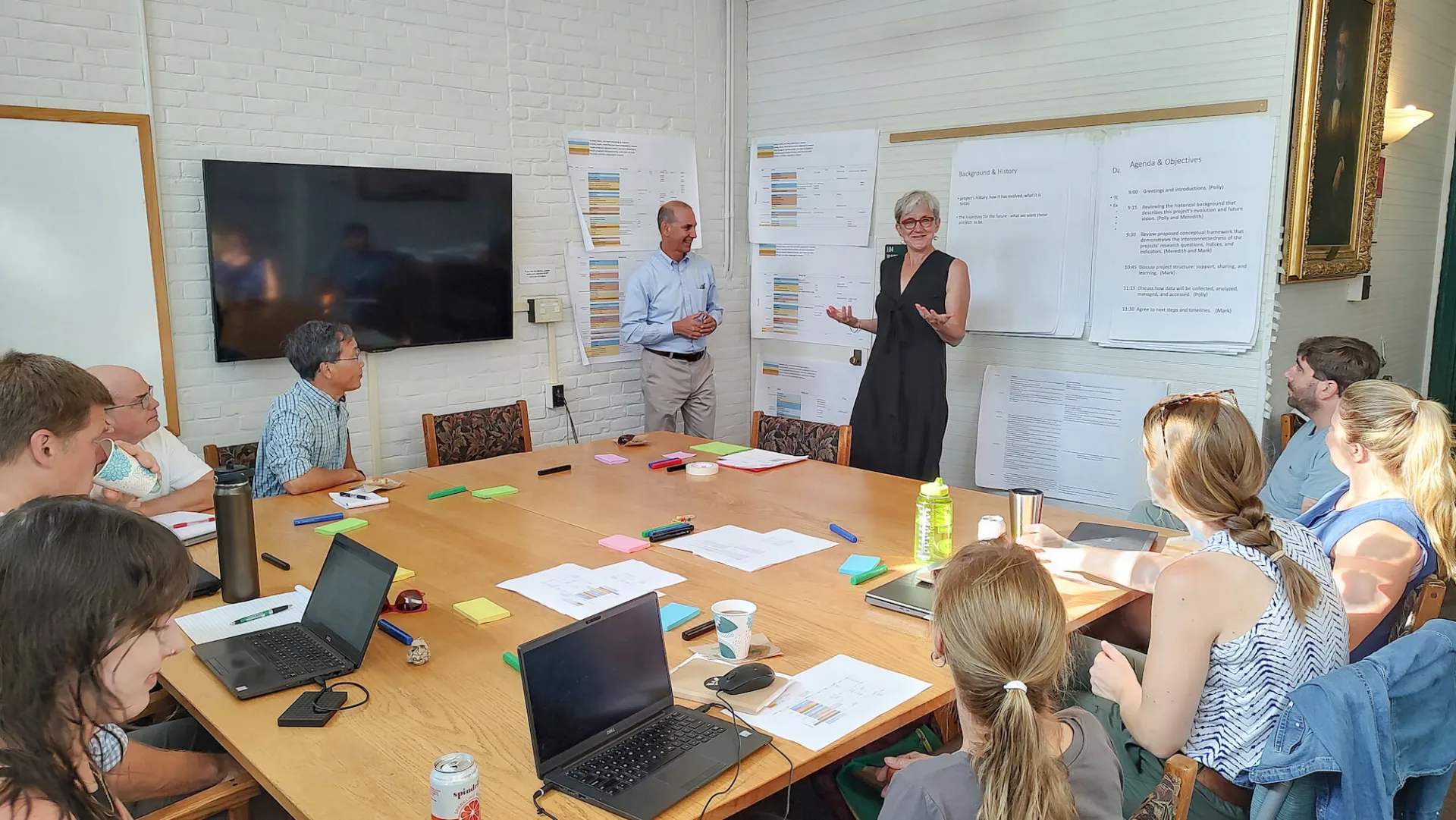
The program invests in developing future agricultural leaders by fostering strong mentoring relationships among doctoral students, their faculty advisors, and undergraduate researchers. For Nikfarjam, this means her undergraduates will not only benefit from her guidance but also from the more experienced guidance of her mentor, Dr. Teresa Mares, Director of the Food Systems Graduate Program, and her collaborating mentor, Dr. Ernesto Méndez, Co-director of the Institute for Agroecology. As part of the program, Christensen and PI Yolanda Chen will continue to create research opportunities for undergraduates and help them cultivate their ideas and identity as scientists. Their previous co-mentees completed honors theses and have received Summer Undergraduate Research (SURF) and Fulbright fellowships.
Both Christensen and Nikfarjam have built mentoring into their fellowship plans. For both researchers, mentorship represents a natural extension of their passion for teaching and public engagement. The fellowship gives them the time and resources to invest deeply in student development while advancing their own scholarship, creating a ripple effect that extends far beyond their individual research programs.
Beyond the Lab
There is a lot of mutual hilarity in being graduate researchers who are also roommates. Nikfarjam shares that the other day she opened their freezer, and a bunch of frozen bugs fell out. “Blair always has a lot of insect specimens in the freezer.” Christensen nods and laughs good-naturedly at this fact, then provides her own anecdote: “Michelle will send me a photo of her tiny Prius absolutely overflowing with trees she’s transporting.”
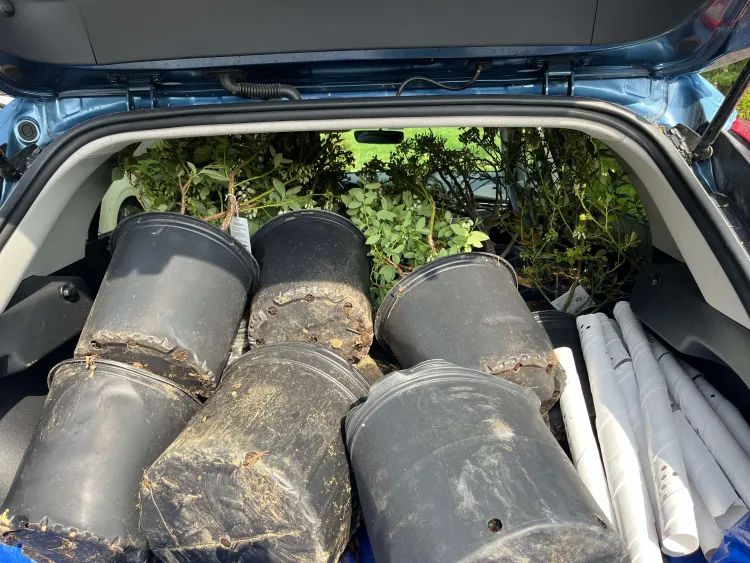
The roommates share a love of cooking, swimming, hiking, and exploring Vermont’s incredible natural environment.
“Taking a hike with us is not always fast, though,” Christensen admits, “Between the two of us, we need to stop and study a lot of things.”
Together, they embody the interdisciplinary spirit that UVM’s agricultural programs seek to foster.
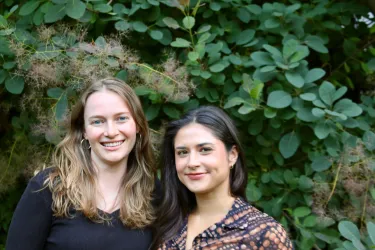
“We cover the full spectrum,” they joke.
That spectrum, from molecular biology to community-based food systems research, helps explain why their dual fellowship success carries significance beyond individual achievement. It demonstrates the breadth of agricultural innovation taking place at UVM in both the Department of Agriculture, Landscape, and Environment and in Food Systems.
Receiving these early-career recognitions underscores their already well-established commitments to scientific excellence, Extension outreach, and student mentorship. A bright future is theirs to cultivate.