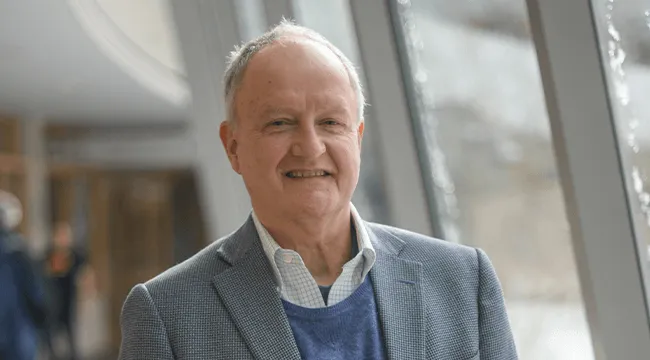
“Many of the doctors who were out providing treatment in the late 2010s and early 2020s, they had only ever dealt with opioids,” said Dr. Rawson, who is also affiliated with the University of California–Los Angeles. “They really had no idea what to do with this thing.”
The story of America’s relationship with hard drugs goes something like this: Heroin surged in the post-Vietnam era; cocaine and later crack cocaine became a scourge in the ’80s, provoking the harsh and unforgiving response during the Reagan era; and meth appeared on the scene in the ’90s. By the 2000s, powerful prescription painkillers had seeded the next drug crisis, while cocaine and meth use dropped off sharply. Before stimulants made their recent comeback, opioids—first prescription meds, then heroin, and finally powerful synthetic iterations like fentanyl—were the dominant concern for the better part of two decades.
But dating back to the mid-2010s, experts say, cocaine and meth have seen a resurgence. Meth has also gotten more potent in the past decade, after its production was taken over by drug cartels. One of the most striking trends in recent drug overdose deaths has been the more recent rise in deaths involving both a stimulant and an opioid.
Right now, the most proven treatment for stimulant dependency is called contingency management: In essence, it’s a rewards system that offers people an incentive not to use drugs, and it has been found to be effective in randomized trials. Participants will come to a clinic, give a urine sample, and if their urine is drug-free, they receive a gift card. California received approval in 2021 to launch a pilot program that’s treated more than 10,000 people, Rawson said, with folks staying in their treatment longer and testing negative more often than in the behavioral therapy programs of the past.
Funding has been scarce elsewhere, however: Access to contingency management through Medicaid and most private insurance benefits is limited. Some states, like Rhode Island and Vermont, have tapped into their opioid lawsuit settlement money to set up their own programs. But more fundamentally, the concept has drawn opposition from some policymakers and even doctors who don’t like the idea of “rewarding” drug users for not using, Rawson said. Even with political support, it will still require serious time and financial resources to implement.