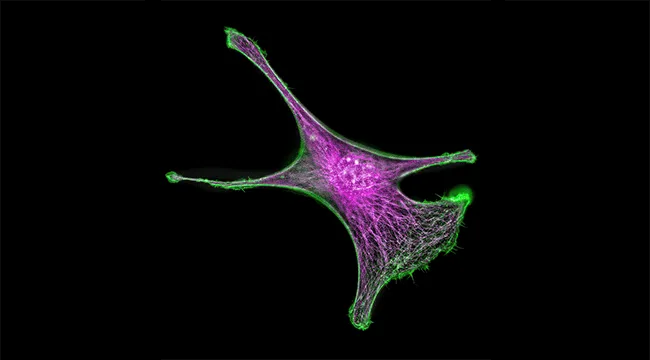
UVM Health dermatologist and Larner Associate Professor Melanie Bui, M.D., Ph.D., spends a lot of time looking at precancerous and cancerous growths on her patients’ skin. But her interests are more than skin deep. Every skin cancer she diagnoses is the result of DNA mutations—often triggered by ultraviolet (UV) radiation, but sometimes by smoking, welding, radiation, topical chemotherapy, or a combination of exposures.
“It’s fascinating to me that you can tell what the carcinogen might be just by looking at the mutations,” says Dr. Bui, a member of the UVM Cancer Center. “If you sequence a tumor, you can see what the patient was exposed to. It’s like detective work.”
That investigative instinct led Bui to team up with geneticist and Larner Associate Professor Steve Roberts, Ph.D., also a Cancer Center member, for a pilot study exploring the DNA of UV-exposed skin. Their goal: to uncover mutational patterns that might be unique to Vermont, which has one of the country’s highest rates of melanoma, the most dangerous form of skin cancer.
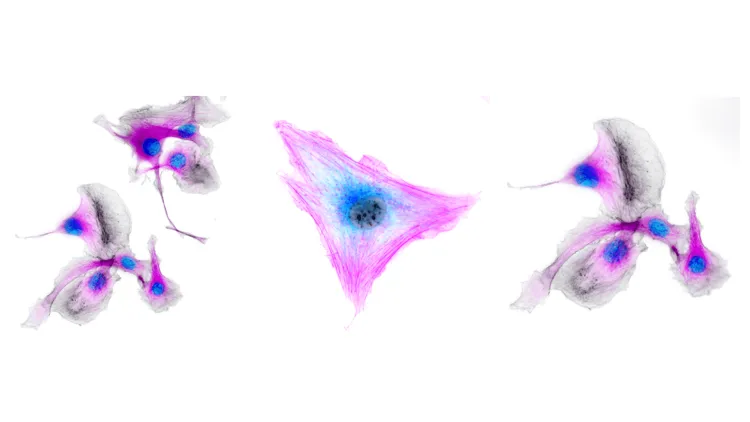
The study involves analyzing skin samples from Bui’s patients and comparing them with others taken at partner research programs in Florida and Washington State—two regions with dramatically different climates and UV profiles. If the mutational fingerprints vary by location, it could point to environmental or geographic factors unique to Vermont that influence how skin cancer develops here.
This foundational cancer research has the potential to open a new door in personalized medicine. By decoding mutational signatures in cancer, researchers can pinpoint the carcinogens that caused them in the first place. Not only would this enable dermatologists to offer patients customized prevention strategies; it could also inform their ability to tailor therapies that target each patient’s unique constellation of mutations.
For Bui, the population science aspect of the study feels especially close to home.
“My patients are literally donating a piece of themselves to help others avoid getting skin cancer—or to receive more personalized, effective treatment if they do get it,” she says. “People can be incredibly generous.”
Research like this has contributed to the University of Vermont’s designation by the Carnegie Classification of Institutions of Higher Education as an R1 institution, placing it in the top tier of research universities in the U.S.