Researchers from the Robert Larner, M.D. College of Medicine at the University of Vermont reveal how menopause, once a taboo topic, affects brain function, reinforcing the idea that the menopause transition is not only a reproductive milestone, but also a critical neurological phase. The findings were published in the journal Menopause, the peer-reviewed scholarly journal of the Menopause Society.
The study, led by Principal Investigator Julie Dumas, Ph.D., M.A., associate director of the Clinical Neuroscience Research Unit, professor of psychiatry, and vice chair for faculty at Larner, and conducted by Abigail Testo, Ph.D., a postdoctoral research associate in Dumas’s lab, examined brain function across menopausal stages: premenopause, perimenopause, and postmenopause. According to the National Institutes of Health, approximately 6,000 women enter menopause each day in the United States, or 1.3 million annually.
“With decades of life remaining after menopause, it is important to understand the neurological effects of hormone changes at midlife.” — Abigail Testo, Ph.D.
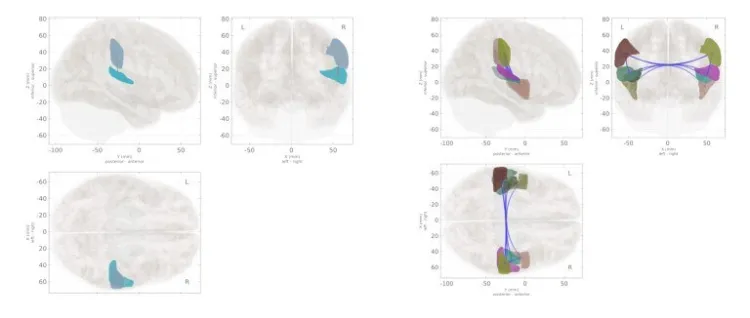
Dumas and Testo, whose research focuses on the relationship between hormones and brain aging in midlife females, found that brain activity measured during a “resting state,” when individuals are not actively performing a task, differed significantly across menopause stages. These differences appear to be linked to hormonal changes, particularly fluctuations in estrogen, one of the most essential hormones that play an integral role in sexual and reproductive development in women.
The findings suggest that menopause represents an important neurological transition that may influence both cognitive experiences in the present and long-term brain aging. This study is among the first to demonstrate these changes using resting-state brain activity.
“With decades of life remaining after menopause, it is important to understand the neurological effects of hormone changes at midlife,” Testo said. “Our research contributes to the growing body of work examining the relationship between menopause and the brain.”
The project represents two years of focused work and builds on a longer collaboration between the researchers. Testo, who has worked with Dumas for five years, conducted the study as part of her doctoral research at UVM . Dumas brings more than 20 years of experience studying menopause and the brain.
The research team is continuing to investigate how hormonal changes influence brain aging beyond menopause. Ongoing studies explore how both naturally occurring hormones and external hormone therapies may differently affect brain health in aging women.
Read study in the journal Menopause.
Read media coverage of this research.
Research like this has contributed to the University of Vermont’s designation by the Carnegie Classification of Institutions of Higher Education as an R1 institution, placing it in the top tier of research universities in the U.S.