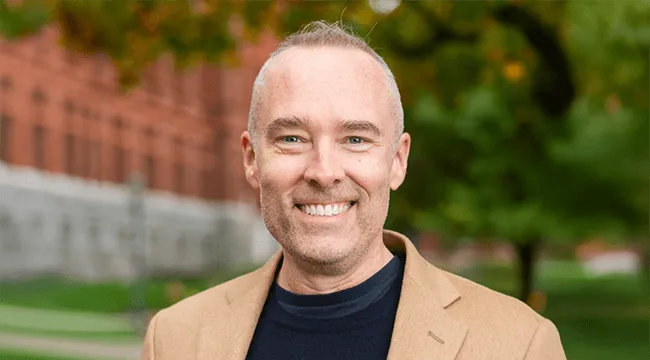
Larner Professor of Psychiatry Craig Bryan, Psy.D., M.S., director of the University of Vermont’s Suicide Care Clinic, was one of three keynote speakers at the recent four-day 2026 First Responder Center for Excellence Mental Wellness Symposium at the University of Iowa, where he said the traditional approaches that mental health care professionals use with their patients aren’t effective for first responders, EMS1 reported.
“A lot of the patients that I’ve worked with have come in, and they’ve been told to do things by mental health professionals that actually worsen their trauma, like, avoid your triggers,” Dr. Bryan said. “The treatments that are most effective are treatments of courage.”
The high-stress situations first responders such as EMTs, police officers, firefighters, and related professions experience on a routine basis can take a toll on their mental health. Addressing trauma is essential for first responders, who face an elevated risk of dying by suicide in addition to the dangerous scenarios they encounter on a day-to-day basis.
In addition to hosting the symposium at the University of Iowa, the First Responder Center for Excellence is collaborating with the UI’s Scanlan Center for School Mental Health to develop free online wellness modules for first responders nationwide to use. In partnering, the University of Iowa and the First Responder Center for Excellence are aiming to empower first responders across the country with life-saving mental health tools to help first responders build coping skills and recognize when stress becomes distress.
This story was also covered in FireRescue1.