- Hematopathology Fellowship, The University of Texas MD Anderson Cancer Center, Houston TX
- Cytopathology Fellowship, The Leopold G. Koss Division of Cytopathology, Montefiore Medical Center/Albert Einstein College of Medicine, New York, NY
- Resident, Anatomic and Clinical Pathology, Arkadi M. Rywlin Pathology Department, Mount Sinai Medical Center, Miami Beach, FL
- Resident, Anatomic Pathology, Institut National de Pathologie, Lebanon Education
- M.D., Faculté de Médecine à L’Université Libanaise, Lebanon
- French Baccalaureate (Major Science), Lycée Alphonse de Lamartine, Mission Laïque Française, Lebanon
Department of Pathology and Laboratory Medicine
Areas of expertise
Hematopathology
BIO
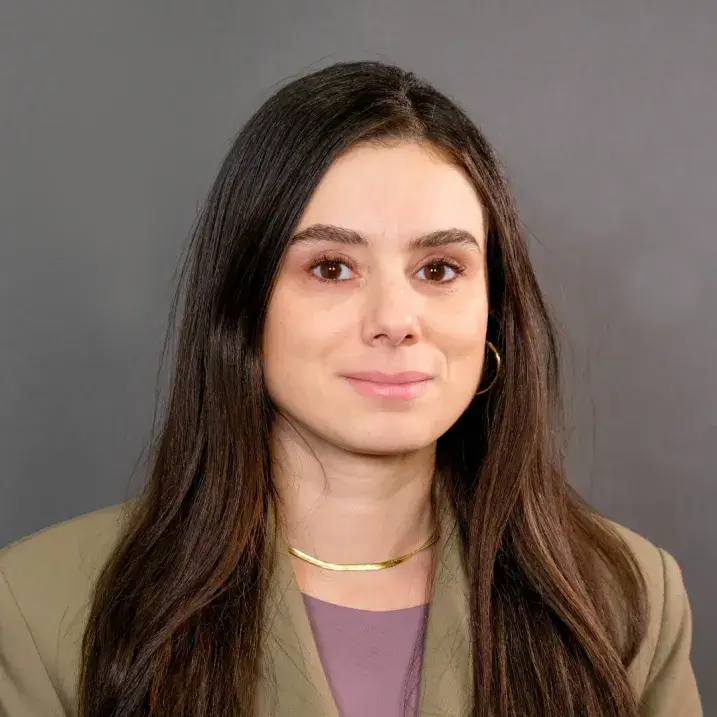
I am an academic anatomic pathologist and board‑certified hematopathologist with comprehensive subspecialty training and a career dedicated to advancing diagnostic excellence in leukemia, lymphoma, and related hematologic disorders. My work centers on improving disease classification, enhancing diagnostic accuracy, and integrating emerging technologies—particularly artificial intelligence—into hematopathology practice. I have pursued these objectives across major academic medical centers, driven by a commitment to innovation, precision medicine, and education. Over the last several years, my collaborations with multidisciplinary teams have resulted in impactful contributions that advance understanding of rare neoplasms, refine diagnostic approaches, and address the evolving needs of modern pathology practice.
My research program focuses on clinical‑translational hematopathology, with specific expertise in artificial intelligence applications, plasmacytoid dendritic cell neoplasms, lymphoma biology, myeloid neoplasms, and flow cytometric diagnostics. My scholarly output includes over 80 peer‑reviewed publications, 55 as principal or senior author, two book chapters, more than 50 abstracts, and a U.S. patent involving AI‑driven lymphoma/leukemia diagnostics. I serve as a regular reviewer for high‑impact journals such as Modern Pathology, Blood, Cancers, and others, and am guest editor of a Special Issue on “Advances in Leukemia and Lymphoma.” My work has been recognized through national invitations for platform presentations, educational workshops, and participation in classification efforts for hematopoietic neoplasms. I continue to cultivate multidisciplinary collaborations, integrating morphologic, immunophenotypic, molecular, and computational approaches to drive forward the precision pathology of lymphoid and myeloid diseases.
In my clinical role as an Assistant Professor of Pathology and Laboratory Medicine, I provide specialized diagnostic expertise in hematopathology, integrating morphology, flow cytometry, molecular studies, and clinical correlation to support high‑quality patient care. I am deeply committed to medical education, delivering daily hematopathology didactics, teaching graduate courses, mentoring learners across levels, and serving on both the Clinical Competency Committee and Residency Education Committee. My clinical‑scholarly work emphasizes improving diagnostic workflows, developing educational curricula, enhancing flow cytometry interpretive strategies, and supporting multidisciplinary clinical teams. National and institutional teaching awards recognize my contributions to trainee development. Through clinical service, scholarship, and mentorship, I aim to foster excellence in hematopathology practice and advance the next generation of pathologists.
Publications
Bio
I am an academic anatomic pathologist and board‑certified hematopathologist with comprehensive subspecialty training and a career dedicated to advancing diagnostic excellence in leukemia, lymphoma, and related hematologic disorders. My work centers on improving disease classification, enhancing diagnostic accuracy, and integrating emerging technologies—particularly artificial intelligence—into hematopathology practice. I have pursued these objectives across major academic medical centers, driven by a commitment to innovation, precision medicine, and education. Over the last several years, my collaborations with multidisciplinary teams have resulted in impactful contributions that advance understanding of rare neoplasms, refine diagnostic approaches, and address the evolving needs of modern pathology practice.
My research program focuses on clinical‑translational hematopathology, with specific expertise in artificial intelligence applications, plasmacytoid dendritic cell neoplasms, lymphoma biology, myeloid neoplasms, and flow cytometric diagnostics. My scholarly output includes over 80 peer‑reviewed publications, 55 as principal or senior author, two book chapters, more than 50 abstracts, and a U.S. patent involving AI‑driven lymphoma/leukemia diagnostics. I serve as a regular reviewer for high‑impact journals such as Modern Pathology, Blood, Cancers, and others, and am guest editor of a Special Issue on “Advances in Leukemia and Lymphoma.” My work has been recognized through national invitations for platform presentations, educational workshops, and participation in classification efforts for hematopoietic neoplasms. I continue to cultivate multidisciplinary collaborations, integrating morphologic, immunophenotypic, molecular, and computational approaches to drive forward the precision pathology of lymphoid and myeloid diseases.
In my clinical role as an Assistant Professor of Pathology and Laboratory Medicine, I provide specialized diagnostic expertise in hematopathology, integrating morphology, flow cytometry, molecular studies, and clinical correlation to support high‑quality patient care. I am deeply committed to medical education, delivering daily hematopathology didactics, teaching graduate courses, mentoring learners across levels, and serving on both the Clinical Competency Committee and Residency Education Committee. My clinical‑scholarly work emphasizes improving diagnostic workflows, developing educational curricula, enhancing flow cytometry interpretive strategies, and supporting multidisciplinary clinical teams. National and institutional teaching awards recognize my contributions to trainee development. Through clinical service, scholarship, and mentorship, I aim to foster excellence in hematopathology practice and advance the next generation of pathologists.