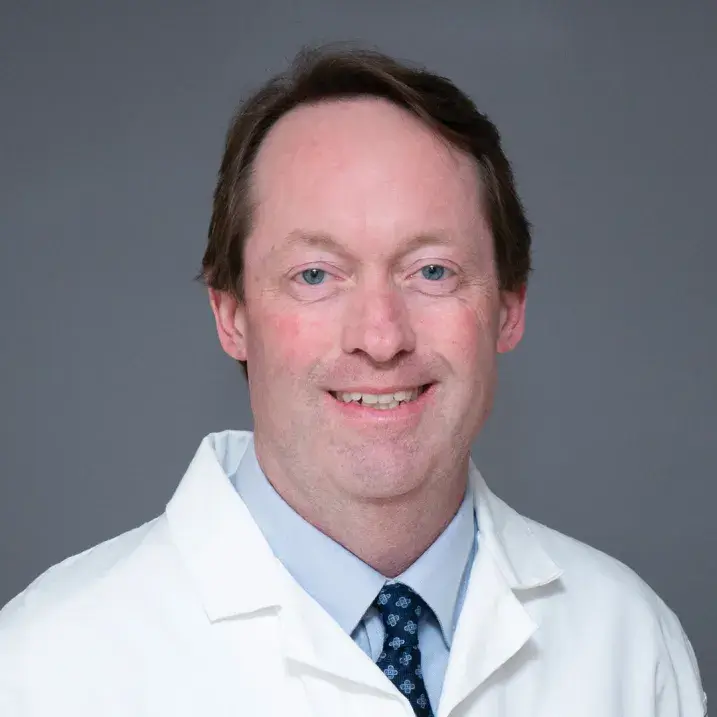
Scott Anderson
Professor, Pathology & Laboratory Medicine
Division Chief, Anatomic Pathology
- M. D., Loma Linda University School of Medicine, Loma Linda, CA
- B. S., Chemistry, Biochemistry emphasis, Pacific Union College, Angwin, CA
- Internship, Transitional Year, Emanuel Hospital and Health Center, Portland, OR
- Residency, Anatomic and Clinical Pathology, University of Utah School of Medicine, Salt Lake City, UT
- Fellowship, Post-Sophomore Pathology, Loma Linda University School of Medicine, Department of Pathology, Loma Linda, CA
- Fellowship, Cytopathology, Hospital of the University of Pennsylvania, Philadelphia, PA
Department of Pathology and Laboratory Medicine
Areas of expertise
cytopathology with expertise in thyroid and head and neck pathology, surgical pathology.
BIO
Scott R. Anderson, MD, is a Professor of Pathology and Laboratory Medicine and the Division Chief of Anatomic Pathology at the Larner College of Medicine at the University of Vermont. He is board certified in Anatomic and Clinical Pathology and in Cytopathology and has held multiple leadership positions at the University of Vermont Medical Center, including Medical Director of Cytopathology, Director of the Anatomic and Clinical Pathology Residency Program, Director of the Cytopathology Fellowship, and Vice Chair for Pathology Education. His clinical practice is focused on cytopathology with expertise in thyroid and head and neck pathology, and he remains actively engaged in teaching medical students, residents, and fellows across the UVM Health Network.
Nationally recognized for his contributions to pathology education, Dr. Anderson has served in leadership roles within the Association for Academic Pathology's Program Directors Section (PRODS), including Secretary, Chair, and Immediate Past Chair. He was previously a member and later Vice Chair of the Accreditation Council for Graduate Medical Education Pathology Review Committee. He has also served on the American Board of Pathology Cytopathology Test Development and Advisory Committee. His scholarly work includes peer-reviewed publications in cytopathology, thyroid pathology, pathology education, informatics training, and competency-based curricular development. He is a founding member of the Association of Academic Pathology’s Academy of Distinguished Pathology Educators and a recipient of the Margaret Grimes Distinguished Achievement Award in Graduate Medical Education. He has developed curricula in laboratory management, residency-level informatics training, and systems-based competency assessment, and he regularly mentors faculty and trainees.
As Division Chief of Anatomic Pathology, Dr. Anderson is committed to advancing high-quality diagnostic practice, strengthening faculty development, and supporting systemwide collaboration across the UVM Health Network. His current academic work focuses on integrating informatics and artificial intelligence into pathology education, including the development of AI-assisted educational tools, interactive learning modules, and innovations in narrative feedback generation. He has presented nationally and internationally on the thoughtful use of large language models in medical education, with recent invited presentations in Japan, and continues to promote equitable access to advanced educational resources. His work emphasizes innovation, collaboration, and the responsible adoption of emerging technologies to enhance training and support the next generation of pathologists.
Publications
Bio
Scott R. Anderson, MD, is a Professor of Pathology and Laboratory Medicine and the Division Chief of Anatomic Pathology at the Larner College of Medicine at the University of Vermont. He is board certified in Anatomic and Clinical Pathology and in Cytopathology and has held multiple leadership positions at the University of Vermont Medical Center, including Medical Director of Cytopathology, Director of the Anatomic and Clinical Pathology Residency Program, Director of the Cytopathology Fellowship, and Vice Chair for Pathology Education. His clinical practice is focused on cytopathology with expertise in thyroid and head and neck pathology, and he remains actively engaged in teaching medical students, residents, and fellows across the UVM Health Network.
Nationally recognized for his contributions to pathology education, Dr. Anderson has served in leadership roles within the Association for Academic Pathology's Program Directors Section (PRODS), including Secretary, Chair, and Immediate Past Chair. He was previously a member and later Vice Chair of the Accreditation Council for Graduate Medical Education Pathology Review Committee. He has also served on the American Board of Pathology Cytopathology Test Development and Advisory Committee. His scholarly work includes peer-reviewed publications in cytopathology, thyroid pathology, pathology education, informatics training, and competency-based curricular development. He is a founding member of the Association of Academic Pathology’s Academy of Distinguished Pathology Educators and a recipient of the Margaret Grimes Distinguished Achievement Award in Graduate Medical Education. He has developed curricula in laboratory management, residency-level informatics training, and systems-based competency assessment, and he regularly mentors faculty and trainees.
As Division Chief of Anatomic Pathology, Dr. Anderson is committed to advancing high-quality diagnostic practice, strengthening faculty development, and supporting systemwide collaboration across the UVM Health Network. His current academic work focuses on integrating informatics and artificial intelligence into pathology education, including the development of AI-assisted educational tools, interactive learning modules, and innovations in narrative feedback generation. He has presented nationally and internationally on the thoughtful use of large language models in medical education, with recent invited presentations in Japan, and continues to promote equitable access to advanced educational resources. His work emphasizes innovation, collaboration, and the responsible adoption of emerging technologies to enhance training and support the next generation of pathologists.