- Fellowship, Surgical Pathology, Stanford University, Palo Alto, CA
- Resident, Anatomic and Clinical Pathology, University of Vermont/Fletcher Allen Health Care, Burlington, VT
- M.D., University of Vermont College of Medicine, Burlington, VT
- B.A., Biology (concentration in Molecular Biology), University of Virginia, Charlottesville, VA
Department of Pathology and Laboratory Medicine
Areas of expertise
Bone and soft tissue pathology, gynecologic pathology, and neoplastic neuropathology
Laboratory leadership and operations: Clinical laboratory management, LEAN process improvement, workload measurement and equity, change management, quality systems, incident command/downtime planning.
Scholarly Focus: Anatomic pathology, population health and value-based care; organizational structure, culture, and leadership development; digital pathology/AI readiness and regulatory science; HPV and cervical dysplasia.
BIO
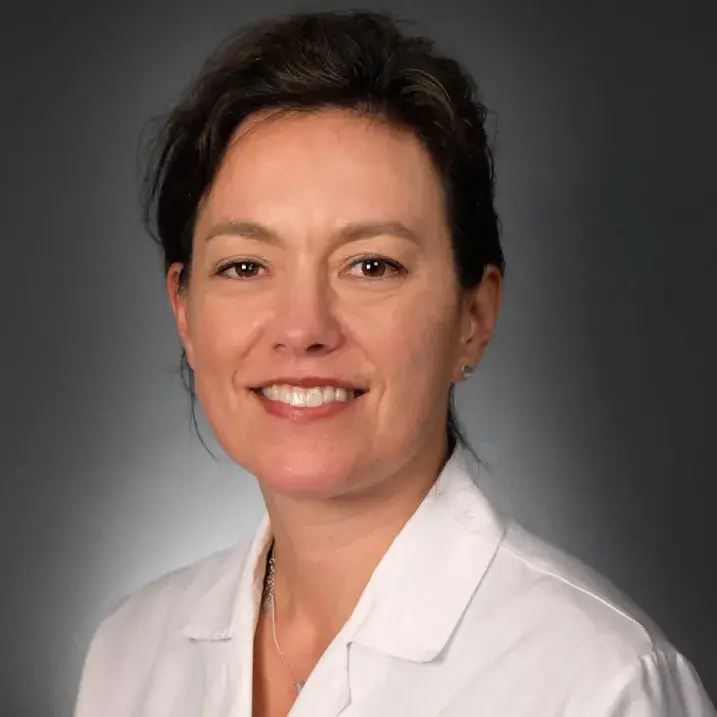
Dr. Alexandra N. Kalof is a Professor of Pathology and Laboratory Medicine at the Robert Larner, M.D. College of Medicine at The University of Vermont and an Attending Pathologist at the University of Vermont Medical Center / UVM Health Network. An academic surgical pathologist, she holds subspecialty expertise in bone and soft tissue and gynecologic pathology and has long served as a senior consultant across the region. She is American Board of Pathology–certified in AP/CP and holds a New York Certificate of Qualification (General Histopathology). Her leadership roles have included Anatomic Pathology Division Chief, Network Vice Chair for Anatomic Pathology, Anatomic Pathology Quality Chair, and CLIA Laboratory Director. She has directed the Sarcoma Transdisciplinary Team as Medical Director and has led major AP operational initiatives including sub-specialization, EPIC/Beaker implementations, quality dashboards, and incident command structures.
Regionally recognized for soft tissue, bone, and gynecologic pathology, Dr. Kalof has 19+ peer‑reviewed publications, multiple first- and senior‑author works, invited guest editorship (Diagnostic Histopathology mini-symposium), and authorship of a core book chapter (Differential Diagnosis in Surgical Pathology, 3rd/4th ed.). She served as primary author of the College of American Pathologists’ Cervical Cancer Protocol (2006–2019), shaping national reporting standards. As a selected member of the ACGME Milestones 2.0 Work Group for Selective Pathology, she helped shape the educational requirements for advanced training fellowships in Pathology. Her leadership and education have been honored with multiple departmental Teacher of the Year awards and institutional recognitions, including the UVMMC Leadership Award in 2022. Nationally, she was elected to the Association of Directors of Anatomic and Surgical Pathology (ADASP) Council and served as President‑Elect (2023–2024), helping steer national dialogues on population health, digital pathology/AI, workload equity, and change management.
Dr. Kalof’s work advances operational excellence, safety, and value-based care through system redesign, data-driven quality, and culture transformation. She co-leads and advises initiatives in workload equity, LEAN operations, and AP population health, and has translated crisis leadership into a widely referenced four‑part “Anatomy of a Cyberattack” series and a practical AP downtime manual. Her current interests include regulatory‑ready datasets for digital pathology and AI (collaborations with PIcc/FNIH/FDA), network integration, and training standardization that enhances reliability and access across academic–rural systems. A committed mentor, she cultivates the next generation of physician leaders in AP through peer mentorship, national programming, and high‑impact educational design.
Publications
Bio
Dr. Alexandra N. Kalof is a Professor of Pathology and Laboratory Medicine at the Robert Larner, M.D. College of Medicine at The University of Vermont and an Attending Pathologist at the University of Vermont Medical Center / UVM Health Network. An academic surgical pathologist, she holds subspecialty expertise in bone and soft tissue and gynecologic pathology and has long served as a senior consultant across the region. She is American Board of Pathology–certified in AP/CP and holds a New York Certificate of Qualification (General Histopathology). Her leadership roles have included Anatomic Pathology Division Chief, Network Vice Chair for Anatomic Pathology, Anatomic Pathology Quality Chair, and CLIA Laboratory Director. She has directed the Sarcoma Transdisciplinary Team as Medical Director and has led major AP operational initiatives including sub-specialization, EPIC/Beaker implementations, quality dashboards, and incident command structures.
Regionally recognized for soft tissue, bone, and gynecologic pathology, Dr. Kalof has 19+ peer‑reviewed publications, multiple first- and senior‑author works, invited guest editorship (Diagnostic Histopathology mini-symposium), and authorship of a core book chapter (Differential Diagnosis in Surgical Pathology, 3rd/4th ed.). She served as primary author of the College of American Pathologists’ Cervical Cancer Protocol (2006–2019), shaping national reporting standards. As a selected member of the ACGME Milestones 2.0 Work Group for Selective Pathology, she helped shape the educational requirements for advanced training fellowships in Pathology. Her leadership and education have been honored with multiple departmental Teacher of the Year awards and institutional recognitions, including the UVMMC Leadership Award in 2022. Nationally, she was elected to the Association of Directors of Anatomic and Surgical Pathology (ADASP) Council and served as President‑Elect (2023–2024), helping steer national dialogues on population health, digital pathology/AI, workload equity, and change management.
Dr. Kalof’s work advances operational excellence, safety, and value-based care through system redesign, data-driven quality, and culture transformation. She co-leads and advises initiatives in workload equity, LEAN operations, and AP population health, and has translated crisis leadership into a widely referenced four‑part “Anatomy of a Cyberattack” series and a practical AP downtime manual. Her current interests include regulatory‑ready datasets for digital pathology and AI (collaborations with PIcc/FNIH/FDA), network integration, and training standardization that enhances reliability and access across academic–rural systems. A committed mentor, she cultivates the next generation of physician leaders in AP through peer mentorship, national programming, and high‑impact educational design.
Publications
2003-2004 Chief Resident, Anatomic and Clinical Pathology, University of Vermont/Fletcher Allen Health Care, Burlington, VT