Larner College of Medicine

About Us

The Vermont Center on Behavior and Health (VCBH) was established in 2013 to study the relationship between behavior and health. The VCBH has become a vibrant research center supported by multiple federal grants.
Message from Director

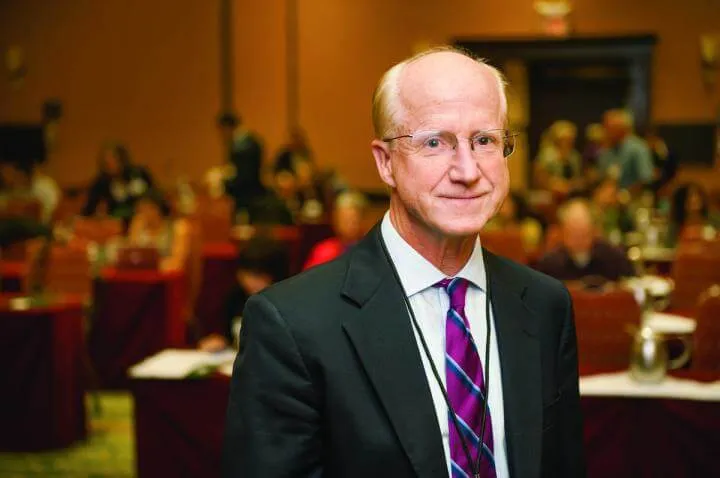
Message from the Director, Stephen T. Higgins, Ph.D.

Man sitting at table with library behind

The Vermont Center on Behavior and Health (VCBH) is an interdisciplinary center of research excellence committed to investigating relationships between personal behavior patterns (i.e., lifestyle) and risk for chronic disease and premature death. Unhealthy behaviors (e.g., tobacco and other substance abuse, physical inactivity, obesity, risky sexual behavior) represent the leading cause of chronic disease and premature deaths in the U.S. and are a major driver behind spiraling health-care costs. Importantly, these risk behaviors are overrepresented among socioeconomically disadvantaged populations and are major contributors to the problem of health disparities. 

There is a tremendous need for greater scientific understanding of the mechanisms underpinning vulnerability to these risk behaviors and for more effective interventions and policies to promote healthy behavior. The VCBH will leverage knowledge from the disciplines of behavioral economics and behavioral pharmacology to better understand and support healthy behavior change.

History of VCBH

Body

VCBH evolved from the UVM Human Behavioral Pharmacology Laboratory (HBPL), established by Dr. Higgins and colleagues in 1987. Over the next 10-15 years, HBPL gained prominence as a center of research and mentoring excellence in addictions with an innovative theoretical orientation grounded in behavioral economics and behavioral pharmacology. Over time, HBPL research evolved to increasingly focus on vulnerable populations (e.g., pregnant women, individuals with serious mental illness) and health outcomes (e.g., birth outcomes, breastfeeding, hospitalization rates). This emerging body of research demonstrated (a) that interventions that include immediate rewards for healthy choices in the form of short-term financial incentives can be highly efficacious at changing recalcitrant, unhealthy behavior; (b) that these interventions leverage for therapeutic purposes the same decision-making bias for smaller but more immediate rewards over larger but delayed rewards (i.e., delay discounting) that underpins risk for a wide spectrum of unhealthy behavior; and (c) that incentive-based interventions are highly effective in socioeconomically disadvantaged populations thereby helping to reduce health disparities. These developments fostered interdisciplinary collaborations between the Department of Psychiatry's addictions group and investigators from multiple UVM academic departments including ObGyn and Reproductive Sciences, Nutrition, and Cardiology, and a broadening of expertise into neurobiological mechanisms underpinning vulnerability, addiction and women’s health, and innovative pharmacological interventions for substance use disorders.

VCBH Today

Body

The VCBH, based within UVM’s College of Medicine and Department of Psychiatry, involves over 20 faculty from seven departments and three colleges. It collaborates with Brown, Johns Hopkins, the University of Kentucky, community healthcare leaders, and advisory panels. Its primary goal is to study how behaviors influence chronic disease and premature death, focusing on mechanisms and interventions informed by behavioral economics and pharmacology. The center emphasizes understanding vulnerability and promoting healthy behaviors through incentives and policies, with a particular focus on socioeconomic disparities. Unique among NIH-funded centers, VCBH applies behavioral economics and pharmacology to address major U.S. public health issues related to behavior and equity.

Facilities & Resources

Body

For nearly 200 years, the University of Vermont (UVM) Larner College of Medicine (LCOM) has educated physicians and scientific researchers, conducted world-class biomedical research, and partnered in caring for patients and their families. LCOM, located on the main university campus, ranks in the top third of US medical schools for federal research grants per faculty member. In the last decade, research funding at LCOM has increased 300% to more than $82 million annually. It is affiliated with one of the top-rated teaching hospitals in the northeast, the UVM Medical Center, which provides a complete array of medical services and training and research opportunities. Overall, UVM provides an ideal scientific environment for VCBH research.