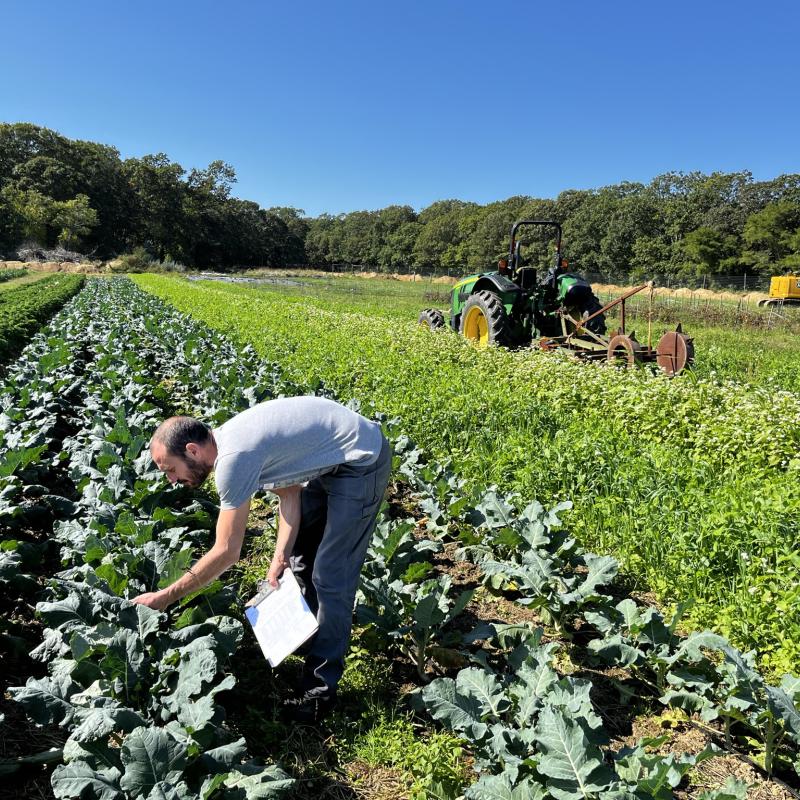
Adapting to Climate Change: Upinngil Farm
Learn about how folks at Upinngil Farm in Massachusetts are working to manage climate risks, specifically with crop diversifiication and high tunnel production.

Filter by subtopic. Click here to search all resources with more filters (e.g. production type, state, issue).
Learn about how folks at Upinngil Farm in Massachusetts are working to manage climate risks, specifically with crop diversifiication and high tunnel production.
This informative document explains the ways in which farmers can adapt to climate change, the potential current and future impacts of climate change on their farm, and how adapting will help them.
The emphasis of this webinar will be placed on dairy, beef, small ruminants, and horses and the impacts that extreme heat, cold snaps, weather shifts, droughts, and excessive rain will have on the animal’s health and diet.
A fact sheet on how climate change is impacting agriculture in the Northeast, primarily through increased incidence of drought, warmer winters and colder springs, and extreme rainfall.
All farms need a plan for managing energy - these 'best practice' guides help farm businesses understand the opportunities they have to implement various energy management strategies on the farm. This improves resiliency and reduces emissions for farms of any scale.
When considering new practices, you need a way of knowing if the effects that you observe are a result of changing practices. This resource sheet will guide you through setting up on-farm research projects to demonstrate new practice effectiveness.
This recording features a talk by Sara Keleman, who shares current data exploring climate trends and projected impacts on agriculture. At minute 1:10:10 Sara reviews several tools available for monitoring weather and implementing adaptive practices.
This series of articles covers key topics for launching a new agroforestry project with a guided step-by-step process to evaluate your goals, assess the opportunities on your site, and get your trees off to the best possible start.
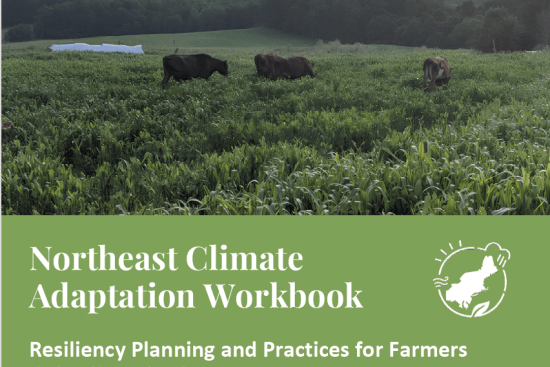
A practical guide for farmers in the Northeast to prepare for a changing climate by developing an Adaptation Plan for their Farm. The workbook introduces the observed and expected changes affecting agriculture, as well as adaptation strategies to consider, and worksheets.
This workshop covers regenerative systems used at Freedom Food Farm: no-till crops, livestock integration, rotational grazing, biodiversity, soil preservation, input reduction, and more! From the 2020 NOFA Summer Conference
State-specific summaries and key messages on the effects of climate change.
The Climate Explorer provides interactive maps and graphs of past and projected climate conditions to support resilience planning and reduce climate risks.
A collection of web tools for visualizing past and projected climate and hydrology in the US.
An in-depth view from 2021 at the effects climate change will have on Vermont, the state of Vermont's food system, and key actions Vermont farmers can take to adapt.
This talk reviews research on changing precipitation, snowfall, and drought patterns in the Northeast and their climate implications in the Northeast.
This hour-long free webinar is about the impacts of climate change on maple syrup production and how maple producers can best adapt.
Visit a small-scale agroforestry system in the Yale-Myers forest and learn how this diverse orchard is being managed to address pests, weeds, drought, and erosion.