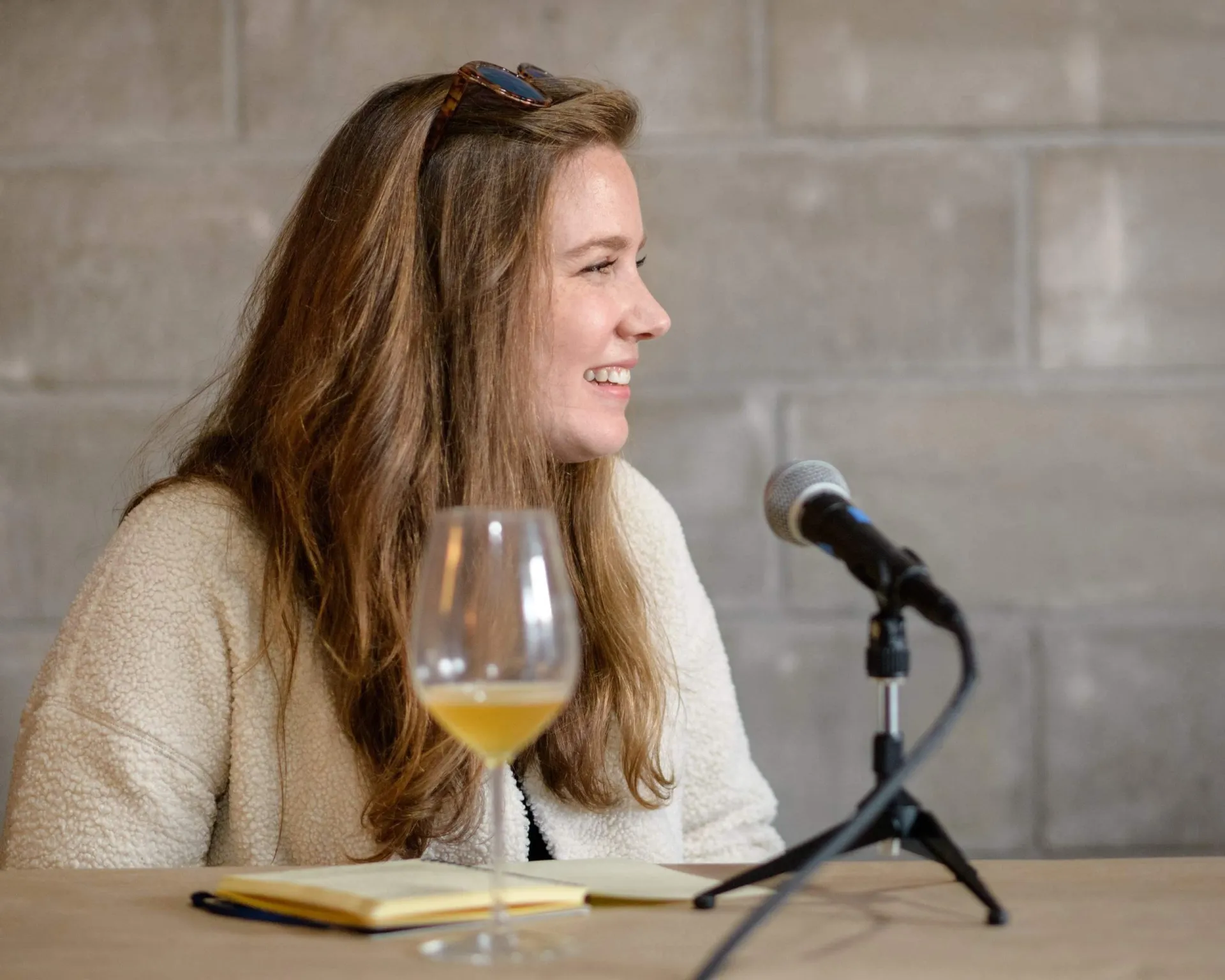
Over ten years ago, Jordan Barry, Class of 2010, was sitting in the Davis Center, curled up in Henderson’s Cafe between classes with a cup of coffee and the latest issue of Seven Days newspaper in her hand. Barry was a junior at the time, on her way to receiving her Animal Science degree. Flipping through the food section, Barry recalls having a light-bulb moment as her eyes found the words “Food Writer” stamped in little grey letters next to an author's name. Her curiosity peaked. What is food writing? This can be a career? The reckoning slipped by her almost unnoticed, but it was this moment that established the first possibility of the job for Barry.
Barry entered freshman year as an ASCI major and finished the requirements before she realized that science wasn’t really for her. Unable to switch her major, she looked back to find overlapping subjects and she began to question her interests: what does this all connect to, and what are the parts that I really enjoy? Barry found passion within ASCI as she realized that questions of food, agriculture, and farming made her excited to learn. She ended up graduating from UVM with a degree in Animal Science, while minoring in Community Development, with a focus in Food Systems.
With no set path after graduation, Barry dove headfirst into Vermont’s rich food culture. She had been living in Arlington, which happened to be where Vermont Magazine was based. Deciding to give the office a call, Barry remembers the ask going something like this: “Hey, I don't have any experience. Do you take interns? Would you take an intern, I'll do anything?”
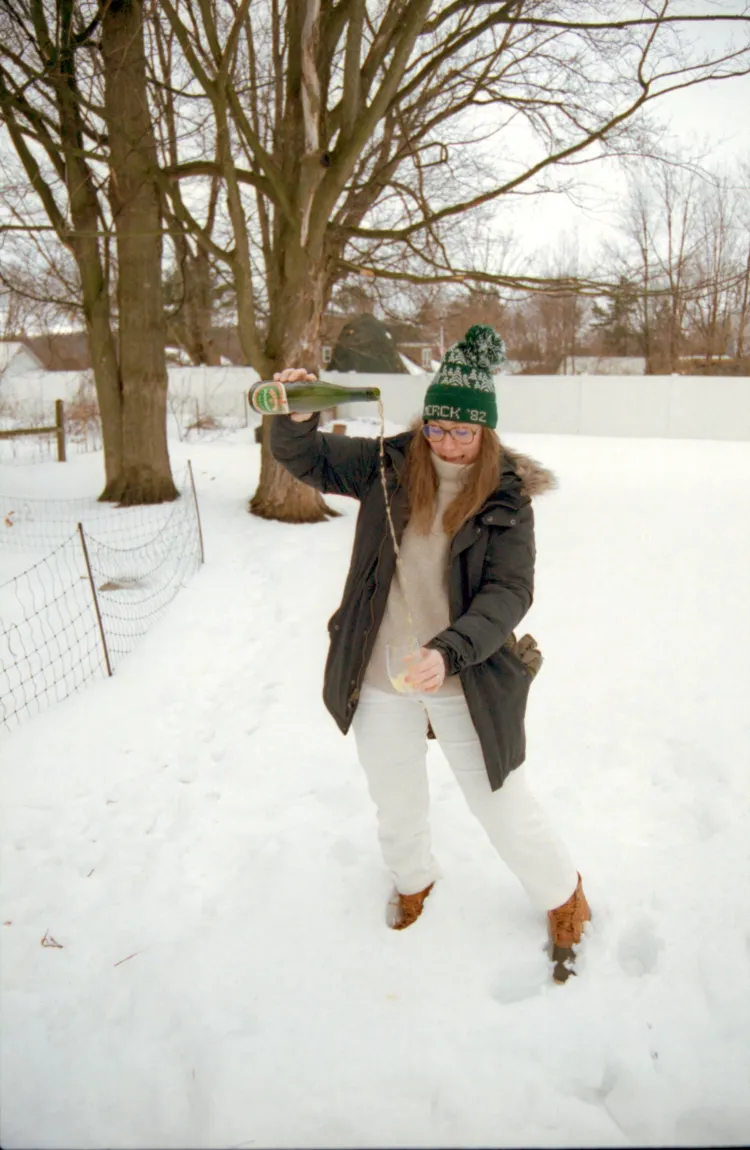
While Vermont Magazine hadn't taken any interns before, the honest ask paid off. Soon she was working alongside the team with opportunities to try out various jobs, from editorial tasks to publishing. Barry was captivated by the newsroom, and knew she wanted to be a part of this world. The highlights of the job were the “Wait, What?” moments. The ones that made her think “whoa that exists!" and left her wondering more. For Barry it’s the questions that drive her work, the discovery of something new that can change the way we see the world.
While Barry was gaining experiences at the newsroom, she worked different jobs in the food industry to cover the bills. From conversations between diners and servers, to questions exchanged by farmers and restaurant chefs or tips passed from recipe writers to home cooks: “food is a unifying thing.” This concept can be talked about in clique fashion, Barry notes, from “everybody eats” to one that can be taken deeper. The latter is where Barry loves to spend time, in the details that give a story life.
As manager and tour guide of Lake Champlain Chocolates, she spent her workday telling the story of chocolate. Discussing the hidden processes that go into its creation and arrival in Vermont. This exposure allowed her to interact with the different faces of the food industry and hear their stories, strengthening her understanding of the larger systems at play.
In 2013 Barry moved to New York City to continue chasing food stories and began studying at NYU in 2015. Here she earned her Master’s in Food Systems and had a fellowship with the Heritage Radio Network. HRN is a non-profit based in Brooklyn that runs its operations out of 2 recycled shipping containers. There Barry produced and hosted a podcast called Modernist Breadcrumbs, a show that dove deep into the details of bread. One episode that’s close to Barry’s heart investigated the intricacies of yeast, and brought in a sourdough yeast scientist, who happened to be on maternity leave at the time. In the studio, the woman was bouncing her baby on her lap while discussing sourdough starters, which are often referred to as ‘mothers’. The baby’s gentle coos can be heard in the background of the recording. This episode proved to Jordan that she was in the right place. She quickly “fell in love with the creativity of it” and enjoyed getting into the “nitty gritty'' aspect of a topic that enables us to tell an entire story about something as tiny as yeast.
Being on radio is vastly different from printed news, but in the end it’s all storytelling. Barry explained that her process is the same whether she’s writing a column or preparing to stitch together a radio show. “You do the research, you find the right people to talk to, and you let the story tell itself,” she said. Barry still gets excited when she uncovers a “soundbite moment”: The seconds when a guest speaks with conviction and adds a perfect little laugh as they finish or when an interviewee articulates something in a way the writer never would’ve thought to.
In 2019 Barry returned to Vermont to join the Seven Days news team. Today, years after that lightbulb moment in Henderson’s, her stories are being published with the title “Food Writer” printed next to her name. Writing about 2-3 stories per week, Barry travels all over the state of Vermont. “None of my days are the same,” she says, “None of my stories are the same.”
Last week Jordan drove two hours to Braintree, Vermont, for a story on New England’s one and only Meal Worm farmer. Right now, you're thinking, wait what, that exists? Barry’s no stranger to that thought, but she’s learned that the food industry is full of original stories, and most are hiding in plain sight.
On the way home from the Mealworm Farm, Barry got lost, trekking through the Mad River Valley with no cell service: confused, hot, and frustrated. When she saw a sign for fresh grown peaches, she pulled over to soothe her tension. Barry ended up interviewing the family about their whole farming operation, and later published a story she never would’ve found if she hadn’t gotten lost.
It’s these chance connections that Barry loves about the job; chasing one lead to the next, she’s in a constant state of discovery. Learning about people’s passions fuels Barry’s drive to write. She explained that, during an interview, there's this shared kindness passed back and forth, that comes along with the trust it takes to share a story and listen to one. Storytelling is an intimate business, and it’s writing like Jordan Barry’s that creates connections and possibilities throughout communities, tying “all of us who eat” together under a common understanding.