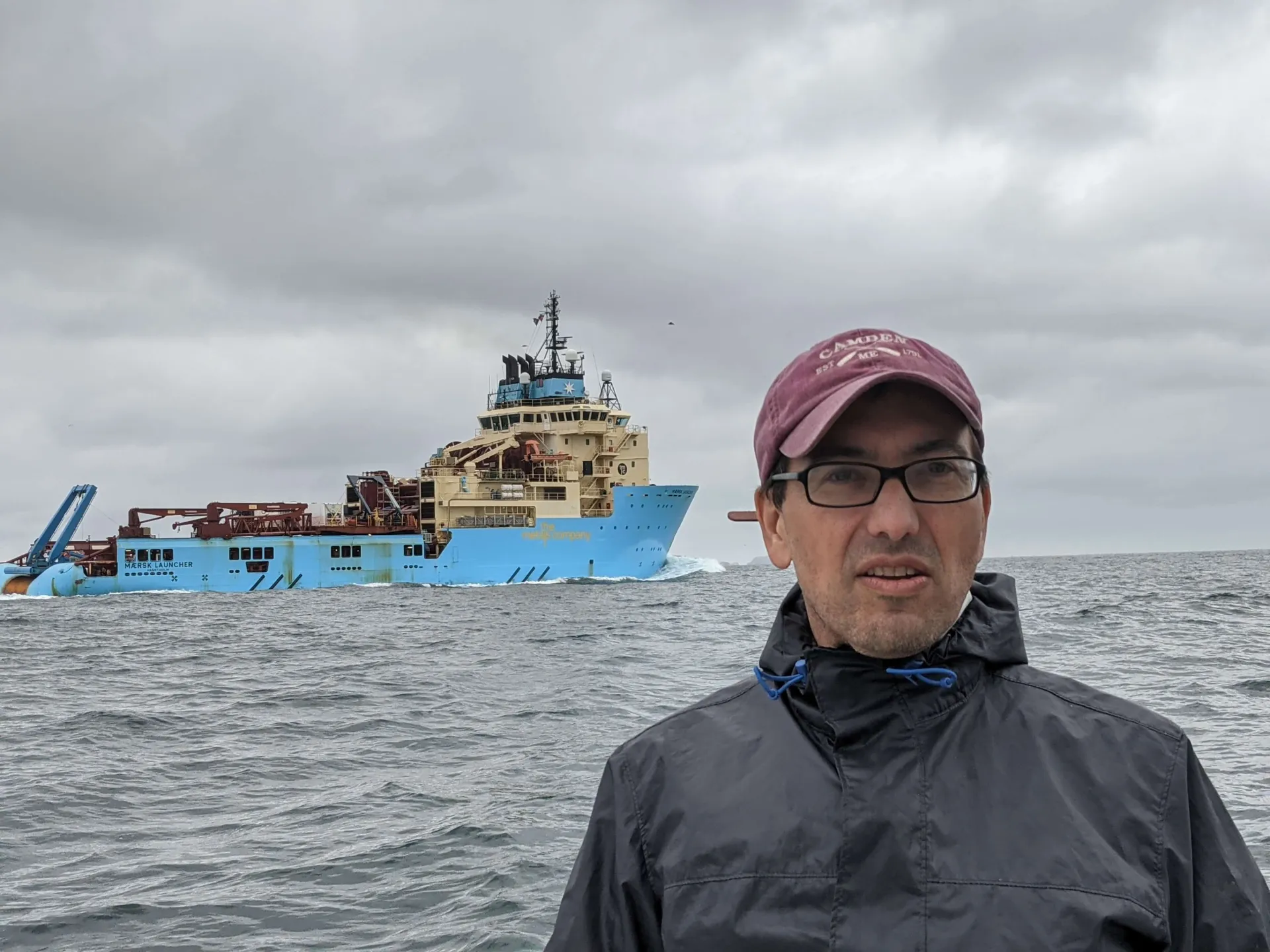
UVM students are gifted with the freedom to explore a wide variety of subject areas, encouraging self-expression and creativity. Here it’s up to you as an individual student to create your learning and challenge yourself. During his time at UVM, Eric Lipton did just that, working through different departments, seeking out courses and professors that inspired him. Philosophy, his major, was one of the subjects that stuck with him as he found a love for asking big questions in the classroom. Outside the classroom, he wrote for the Cynic through all four years of his college career. When it came time to leave Burlington, the decision to become a reporter just felt natural.
Lipton moved to a small, unfamiliar town in New Hampshire after graduation to start working at a local paper called The Valley News. He has always been one to dream big and pursue his goals without any reservation. Here he solidified the argumentative and analytical writing skills he had begun to develop at UVM; these two foundational pillars have supported Lipton’s journalism career, strengthened his accomplishments, and heightened his success.
After working at another local publication, The Hartford Courant, Lipton joined The Washington Post. “I remember wanting to hide underneath my bed,” Lipton remarked about being in a larger news corporation. “I was so intimidated by that job, I was almost scared of it,” he said. Only twenty-eight at the time, Lipton was required to write with a voice of authority, even when he doubted himself. However, that fear couldn’t stop him. “You learn to just go in, and you do the best you can, and you write your story. It’s as good as it’s going to be in the time that you have,” Lipton said. With practice he became able to write with the same conviction of big-time reporters he looked up to. Over time, that confidence that he feigned and aspired to when he joined the WP became his reality.
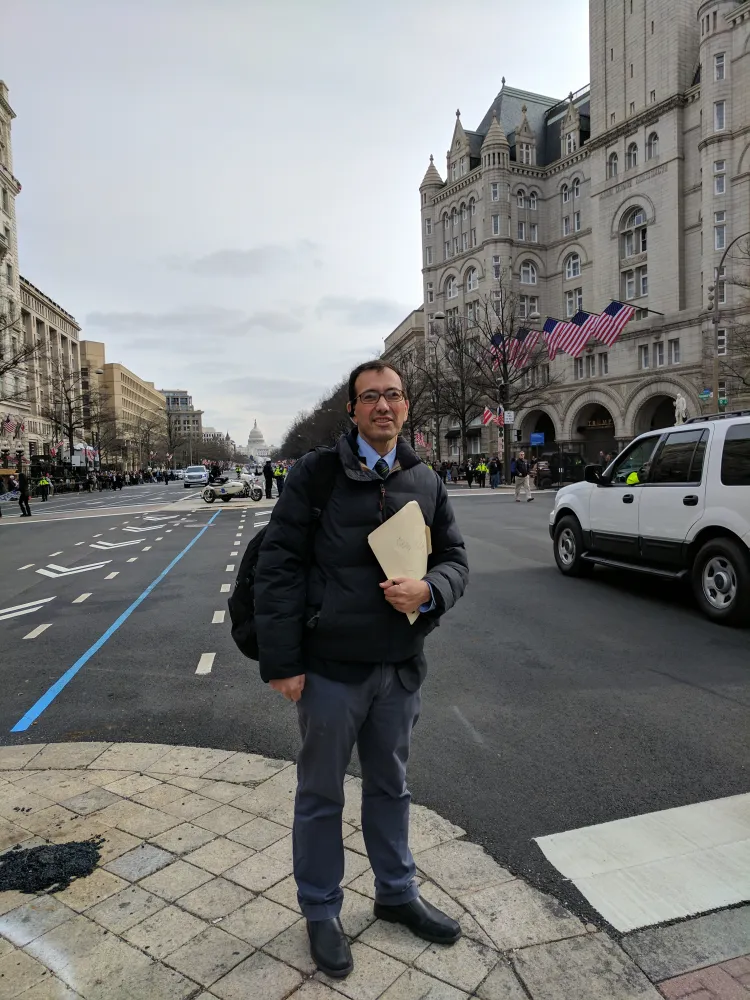
Lipton has been an investigative journalist at The New York Times for 21 years now. In this role, Lipton’s “job is not to cover the breaking news; it's to find narrative, investigative ways to help readers understand deeper issues in society,” he said. One of the most important stories he’s ever worked on came to be known as “102 Minutes”; it’s content about 9/11. The piece covered the time between the moment the first plane struck the north tower to the minute when the second tower collapsed, from the perspectives of those trapped inside. To write the piece, journalists gathered any message that had been sent or received from the towers. Taking phone calls, texts, 911 records, and more, the team stitched together a narrative that shed light on what was happening inside, creating visibility that helped to bring closure and comfort to family members left behind.
This type of story, often referred to as a reconstruction, is Lipton's favorite form of journalism. To reconstruct an event, reporters work backwards to piece together the timeline of what occurred through stories collected from survivors and eyewitnesses. Before writing a word, he asks himself, “Where is story the moving? What are the issues that can help people understand the dynamic that's playing out in the US or in the world today?”
Over the course of his career, Lipton has won three Pulitzer Prize awards for his writing in three different categories: explanatory journalism, investigative reporting, and foreign reporting. Looking back on all of them, he reflected each was a detailed reconstruct that dove into a split-second moment of a world-altering event. Whether he’s uncovering corruption in the state office of the attorney general or writing about the culture that led to the failure of the Hubble Space Telescope, Lipton’s style of long-form journalism centers itself in the creation of a story.
To begin a piece, Lipton creates a chronology, or timeline of the event. Recently, he has been working on a story about mineral production and the minerals required for new electric cars. The piece, which focuses on the history of a single mine, already has an 80-page long chronology. Through interviews Lipton gathers personal experiences that carry the defining moments of the story. He stresses the importance of not starting a story until you're truly ready. “The story kind of emerges on its own,” Lipton explains; through scrolling timelines and interviews he uncovers the story arc.
The New York Times, reaches far across the globe and can influence public debate in a way few other news organizations can. During our interview, Lipton spoke about the connections of the NYT, and the vast number of resources it’s reporters can use to gain access to even the most heavily guarded doors. When it comes to writing a good story for this prestigious news organization, there are little limitations on budget. Reporters are gifted with the ability to go wherever the story may take them. However, this ability also comes with a burden. “You have this incredibly privileged seat so there's an obligation to make the most of it,” says Lipton. “There's pressure to keep moving and not waste a single moment; it compels me to keep going.”
For Lipton, “Helping people understand things is inherently interesting.” He explains that “People want to read stories that help them contextualize the events they're living through, but they don't often get that context.” Developing an understanding of the larger powers at play can help us break down the situations we find ourselves in; and with this understanding, we are driven to action. By sharing stories, we are able to step out of our own perspective and peer into someone else's world. These connections, that reporters like Lipton hold the power to create, inspire us to change for the better and work to improve our own realities. Stories exist all around us. “You could be in Washington or Burlington,” Eric Lipton explained, “and there are stories to be told. Narratives are right in front of us, and it’s just a matter of taking the time to pull it out of people.”