She carried with her years of research exploring how food systems can be redesigned to eliminate waste, regenerate ecosystems, and build a more sustainable future.
This fall, Talib took that work to Spain as a Fulbright scholar, where she will continue investigating how principles of circular gastronomy can help transform food systems around the world.
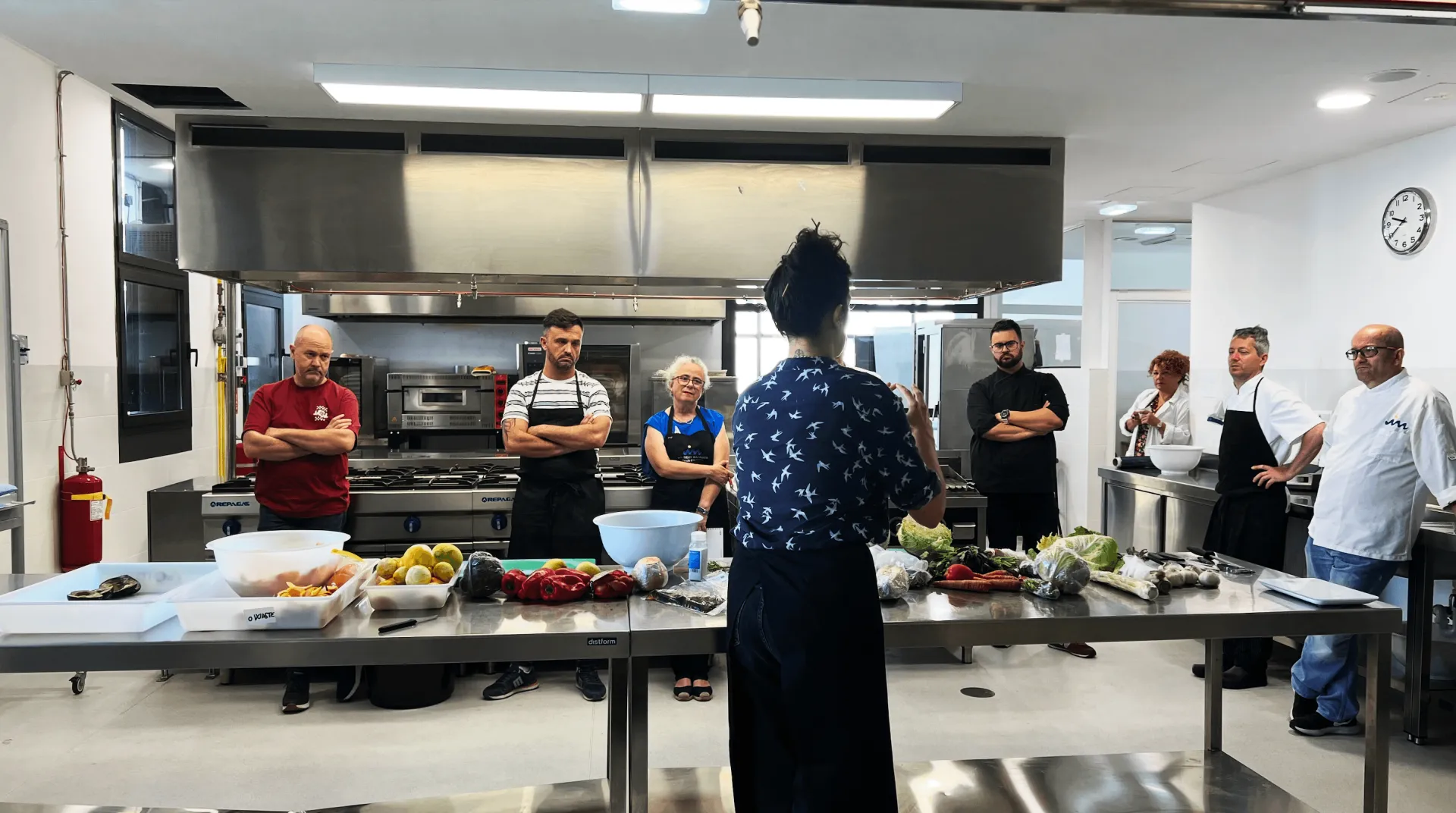
Central to Talib's scholarship is an often-overlooked group of food system actors: chefs.
While farmers, consumers, policymakers, and food businesses frequently receive attention in conversations about sustainability, Talib believes chefs occupy a uniquely influential position.
"I've always found chefs to be a very interesting, very understudied and underrated network actor in food systems," she said.
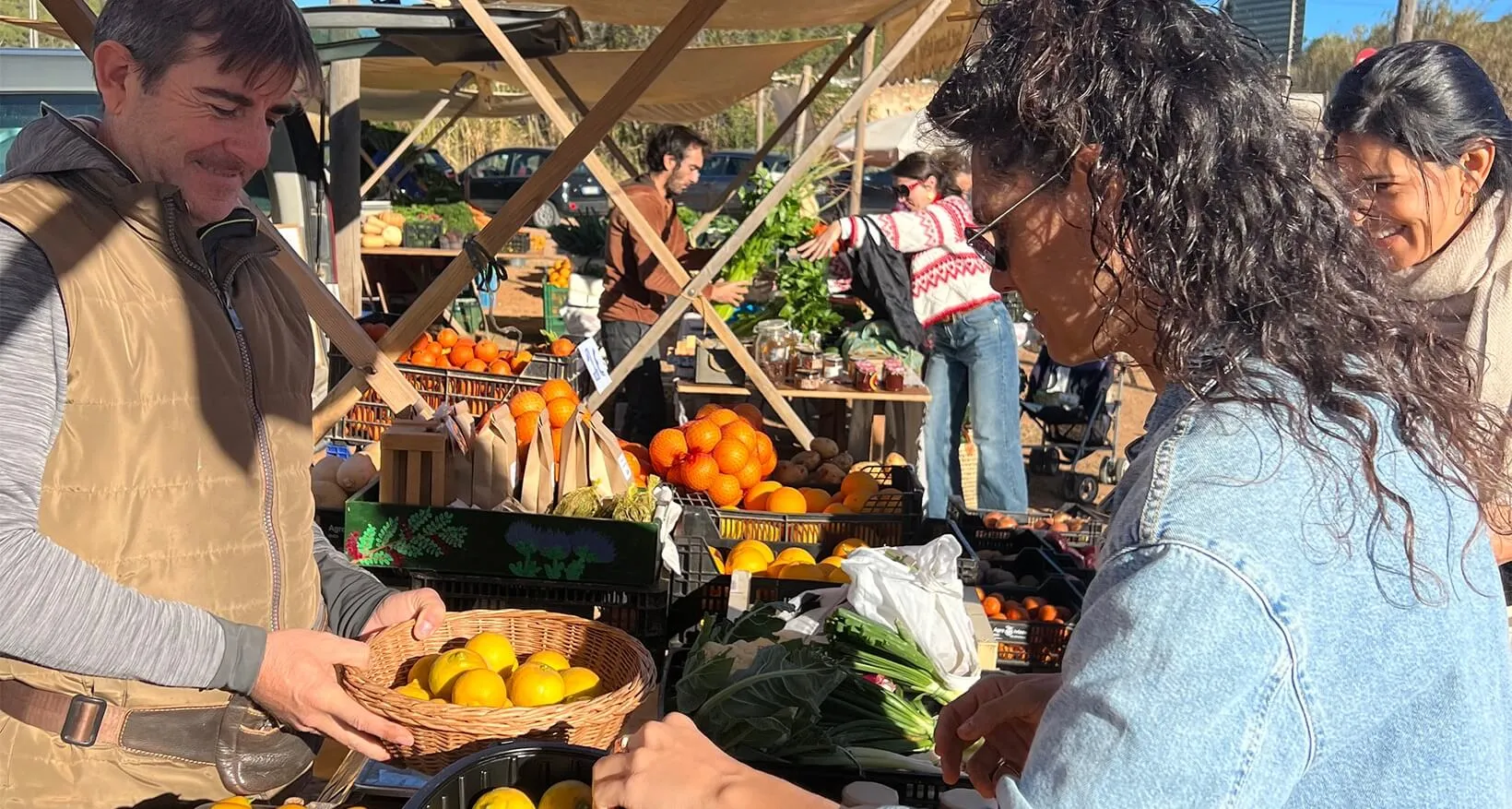
Chefs serve as a bridge between food producers and consumers, particularly within local food economies. Through their purchasing decisions, menu design, and ability to influence food culture, they can help reshape how communities think about food and waste.
"They're situated between producers and consumers," Talib explained. "They have this very interesting potential for influencing the culture around waste through what they're sourcing from producers, how they transform food, and how it ends up on our plates."
That perspective will continue to guide her research in Spain, where she will explore food system innovation through the lens of circularity and sustainability. The Fulbright experience, she says, offers an opportunity to study different approaches to food production and consumption while building international collaborations around shared environmental challenges.
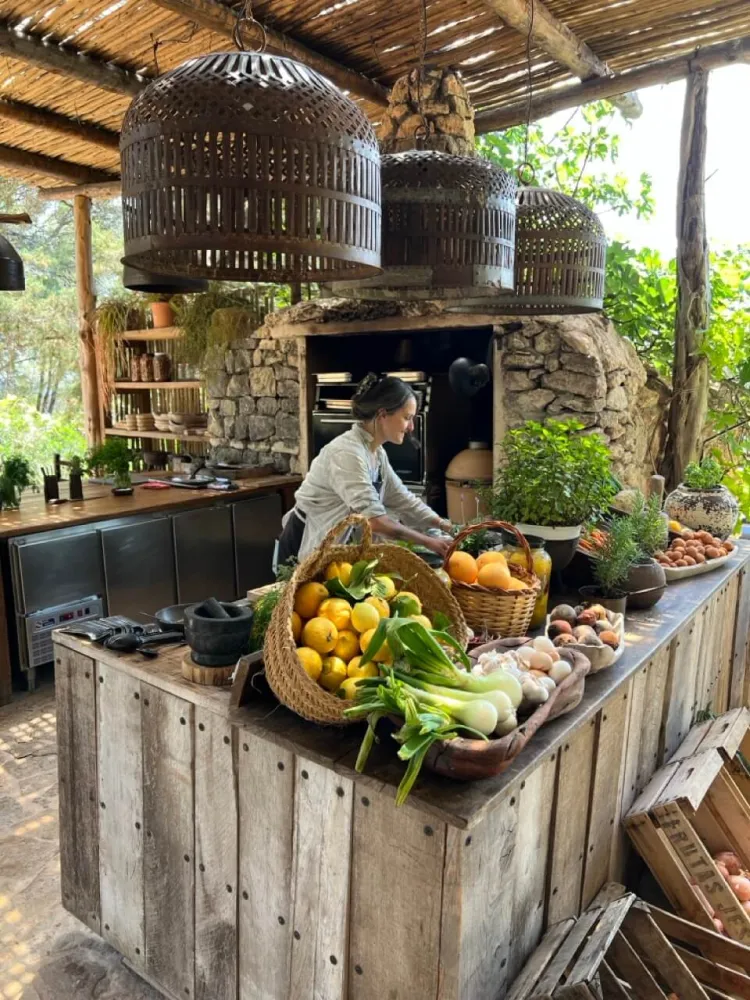
A member of the Food Systems Ph.D. program and a foundational scholar in UVM's Climate Kitchen initiative, Talib has spent years examining how communities, businesses, and food professionals can help create food systems that waste less and do more for people and the planet.
"I've been looking at circularity as a framework for sustainable food systems," Talib said. "The circular economy is really about designing waste out of every stage of a system. In food systems, that means eliminating waste, extending the life of products and materials as long as possible, and ultimately regenerating nature."
At UVM, Talib worked closely with food systems scholar Dr. Amy Trubek, whose interdisciplinary approach to food culture, sustainability, and culinary practice helped shape Talib's research trajectory.
"I sought Amy out as my advisor when I applied to the program," Talib said.
That partnership also helped inform Talib's work with the Climate Kitchen, a UVM initiative focused on promoting sustainable food practices and climate-conscious cooking. Many of the Climate Kitchen's sustainability principles were informed by Talib's research on circular food systems and strategies for reducing food waste.
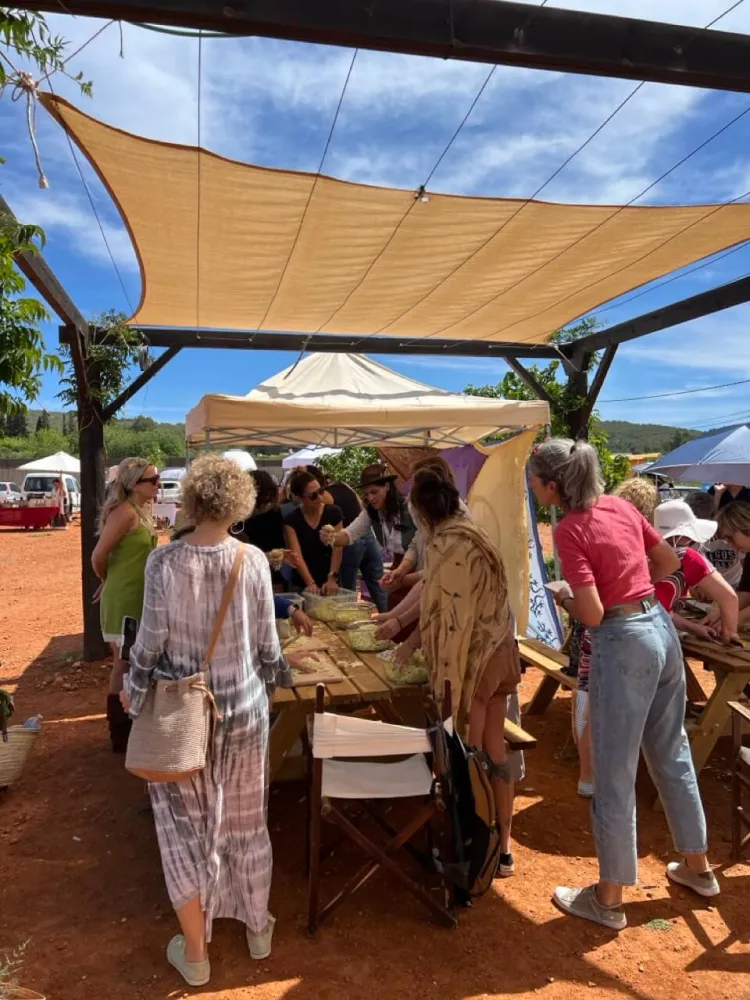
That perspective will continue to guide her research in Spain, where she will explore food system innovation in Mallorca through the lens of circularity and sustainability. Mallorca is an important site for study as Spain has passed some strict food waste laws designed to protect the fragile Balearic island ecosystem from the strain of its robust tourist economy as well as reduce food waste across the rest of the country. According to Mallorca.com, the island generates around 500,000 tons of waste each year, with roughly half attributable to tourism. Since January 1, 2021, Mallorca has operated under a tightened waste law that bans single-use plastics, mandates composability, and makes color-coded separation of garbage, compost and recycling a binding standard.
The Fulbright experience, she says, offers an opportunity to study different approaches to food production and consumption while building international collaborations around shared environmental challenges.
The award also reflects the growing impact of UVM's Food Systems program, which encourages students to address complex global issues through interdisciplinary research and community-engaged scholarship.
For Talib, the opportunity represents both a continuation of her doctoral work and the next step in a career dedicated to building more resilient food systems.
Before departing for Spain in September, she wrapped up her work at UVM. But the ideas that have shaped her time in Burlington will travel with her across the Atlantic.
From her work with the Climate Kitchen to her research on circular economies and food waste, Talib's scholarship reflects a belief that meaningful change can emerge from unexpected places, including restaurant kitchens.
By understanding how chefs influence food cultures and supply chains, she hopes to identify new pathways toward food systems that are not only more efficient, but more equitable and environmentally sustainable as well.
As she begins her Fulbright year, Talib will continue the work that defined her time at UVM: asking how food systems can be redesigned to work in harmony with the natural systems upon which they depend.
"Chefs have this very interesting potential for influencing the culture around waste," Talib said. "Through what they're sourcing, how they transform food, and how it ends up on our plates."
That question, and the possibilities it unlocks, is what she will research as she tastes Spanish cuisine and considers the impact of food and the planet.