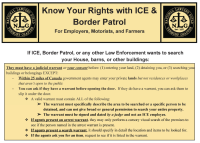
This toolkit explains different childcare options available in case of an absent parent, where to find trusted immigration services in your community, and how to prepare to assert your constitutional rights in the presence of an immigration officer. It is available in Spanish and English.
This toolkit is designed to support employers in promoting healthy, safe workplaces by destigmatizing conversations about substance misuse, offering guidance in how to address it, and developing practices that focus on prevention.
It was created by a workgroup made up of Vermont employers and community organizations focused on substance misuse prevention and recovery.
A recorded video presentation by Rock Steady Farm and the New Entry Sustainable Farming Project on workplace culture, farm policies, care focused approach, and how to build an inclusive workplace on your farm, especially for BIPOC and LGBTQ+ workers. (recorded January 2022)
Tax and Paperwork Checklist for Hiring an Ag Employee, by Erin Hannum and Rachel Armstrong of Farm Commons. The checklist guides farmers through the initial steps of hiring an employee. It illustrates…
Form 1099 is used to report various forms of income other than wages, salaries, and tips to the Internal Revenue Service (IRS) and to the recipient of the payment. Agricultural producers may both receive Form 1099 information returns and be required to issue them. The Rural Tax Education website provides an overview of the kinds of information 1099 forms report.
This webinar provides guidance on a number of topics related to employing family members on farm operations, including employment of children by their parents, spouses working for each other, business structures involving family members, reporting/withholding requirements, and deductibility of wages paid to family members. PowerPoint slides are also provided.
This 2021 journal article from Temple Grandin explains ways to minimize stress on livestock, which in turn reduces hazards to farmers and farm workers.
Download the The Visual, Auditory, and…
The Chittenden County (Vermont) Opioid Alliance (CCOA) developed the 43-page Employer Toolkit to provide employers with tools necessary to employing people in recovery from substance use disorders.…
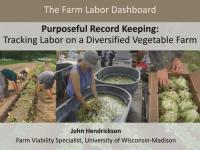
The biggest expense on just about any diversified produce farm is labor. It is also the hardest to track. This video presentation by John Hendrickson of University of Wisconsin's Center for Integrated Agricultural Systems provides practical approaches to the labor component of the cost of production records for various crops. Links to additional resources are included.
This webpage from the University of Vermont Extension's Ground Work Program brings together a number of resources to help you make decisions about purchasing equipment and machinery.
This 2020 Iowa State University publication outlines nine practices agricultural employers should cover during training with employees who operate tractors. These practices help prevent tractor overturns and the resulting injuries and fatalities.
Training your crews to do their jobs effectively from the start is a key way to avoid problems later. This short video from the Farm Manager Video Series shares practical strategies for training farm employees so that they contribute to the success of the farm.
The Upper Midwest Agricultural Safety and Health Center resource database contains a variety of health and safety materials, including a several Spanish language guides. You can search for materials by keyword, category, and tags/topics and language.
The UMASH Safety Check is designed to help farmers identify and fix potential hazards before they cause harm to people working on your farms. It includes checklists, tips, and resources to help remedy problems.
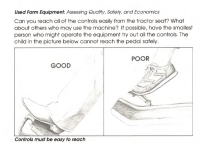
This publication can help you evaluate whether buying used farm machinery makes sense for your operation. In addition to providing information on how to assess the quality and serviceability of the…
This program aims to preserve affordable housing and to help improve the health and welfare of the Vermont farm workforce. Applications are accepted on a rolling basis with the goal of committing current funds by September 2025.
This website, hosted by the University of Vermont's Integrated Tick Management Program, provides information for farmers on how to protect people, livestock and pets ticks and tick-borne diseases.
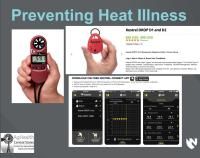
View this recording to learn about strategies for identifying, evaluating and using wearable technology that can make you and your employees healthier and safer while working in agriculture. The session also included ideas for how you might integrate these devices in to your management framework with a goal of increasing wellness and decreasing injuries and illnesses. Some examples of wearable technology in farming include using heat and humidity monitors to prevent heat illness, and heart rate monitors to help fit tasks to the individuals and prevent over-exertion.