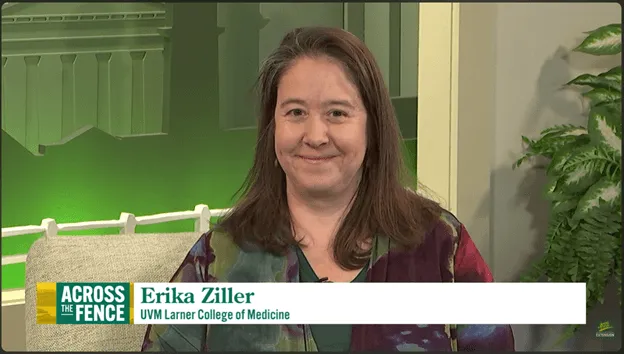
In her interview, Dr. Ziller discussed problems that rural residents experience when accessing health care and how that differs from urban areas. Dr. Ziller grew up in rural Maine, left to attend college and then returned to start a family with her husband. During this time she was working part time and her husband was self-employed. This left them in the "gap group" an income range where people don't qualify for Medicaid because they make too much, but they also cannot afford the high premiums of private insurance. This led the Ziller family to a five year period of being uninsured. This experience is one that many rural families can relate to.
In addition to high insurance costs, rural communities face other problems such as high fixed costs for health care facilities, difficulty recruiting into the health care workforce, and in some states, a lack of federally qualified health care clinics to help bridge the gaps.
"The experience of that, like the visceral decision making that you have to make when your kid bumps their head, you know, can I patch this up with a butterfly strip or do I have to take him to the ED? I wouldn't wish that on any family." - Erika Ziller, Phd
Motivated by her own personal experience, Dr. Ziller chose to dive deeper, attend graduate school and earn her PhD. Her goal? To improve rural health policies so families didn't have the same experience as hers. Her work as co-director of the Northeast Rural Health Research Center examines national data and monitors policy at both the state and federal level to try to determine how these policies are likely to affect rural populations and health systems.
To help address the lack of rural providers, the University of Vermont Larner College of Medicine has devoted time and resources into creating a new program director centered around rural medical education. With this commitment, the college is working to refine their curriculum to better align students with the health care needs of the rural population.