The Larner College of Medicine community continued a strong tradition of supporting neighbors in need with two recent drives to replenish supplies at local organizations serving the greater Burlington area:
- The Department of Microbiology and Molecular Genetics raised $1,270 and collected 135lbs of food during its 2025 Thanksgiving Food Drive, for donation to Feeding Champlain Valley. This included turkeys and a variety of non-perishable goods that will allow the food shelf to stock up on necessities this holiday season.
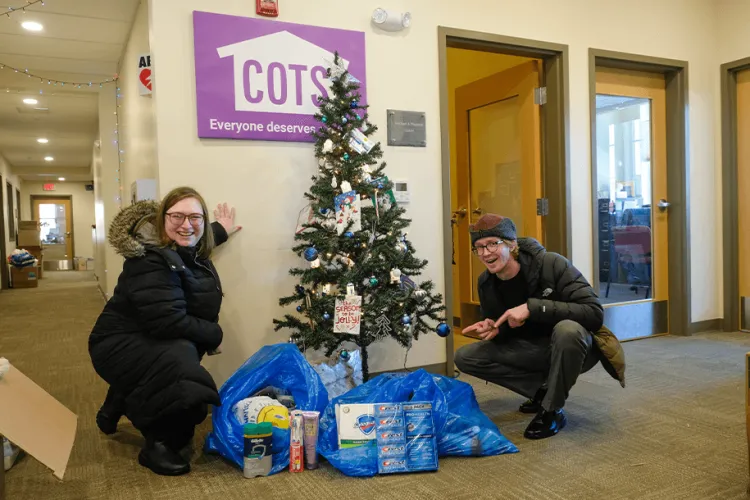
- The Office of Intercultural Excellence spearheaded a Personal Care Supply Drive December 1–5 in honor of Giving Tuesday, to benefit the Committee on Temporary Shelter (COTS). From toothpaste and shampoo to shaving cream and much more, 560 personal care items were donated to help restore dignity and comfort to those in need.
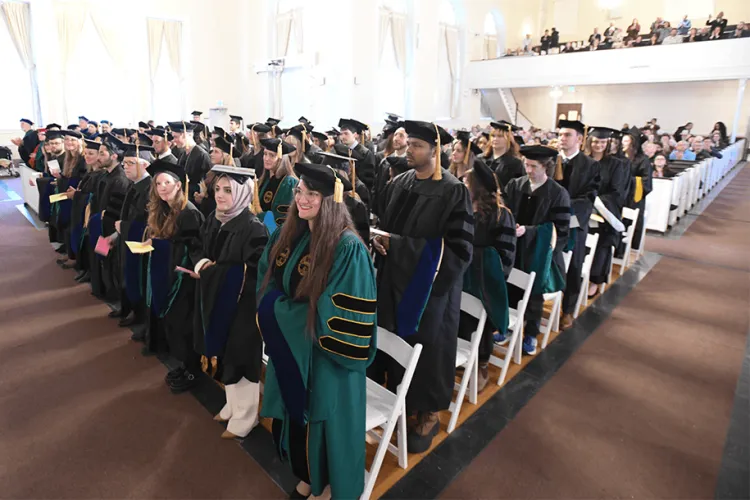
On December 10, 2025, University of Vermont graduate students took part in the UVM Graduate Hooding Ceremony, an annual event held for UVM students who graduated in August or October 2025 or who are pending January 2026 graduates. Larner and affiliated programs include the clinical and translational science, pharmacology, public health, and medical science master’s programs, as well as the cross-college interdisciplinary neuroscience and cellular, molecular, and biomedical sciences Ph.D. programs. Among these programs, 53 Larner-affiliated graduate students were honored.
Larner collaborates on inter-disciplinary cross-departmental programs with the UVM Graduate College, the College of Agriculture and Life Sciences, the College of Arts and Sciences, the College of Engineering and Mathematical Sciences, the College of Nursing and Health Sciences, and Professional and Continuing Education.
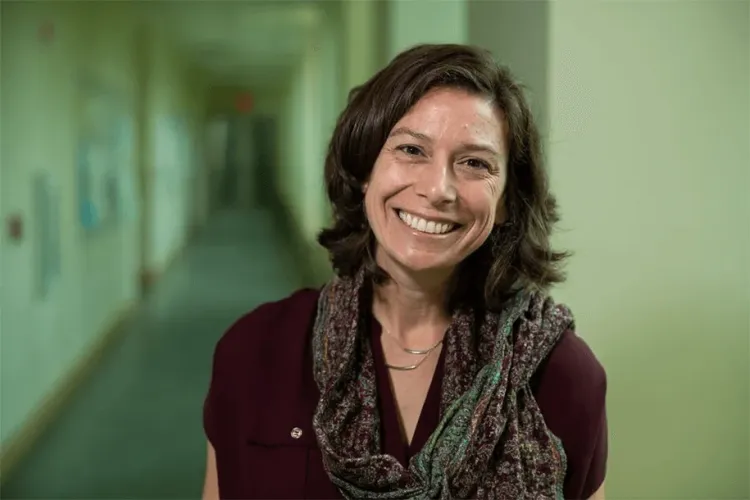
Karin (“Kari”) Hodge, M.A.’12, an instructor and advisor in the Department of Microbiology and Molecular Genetics at the Larner College of Medicine and the College of Agriculture and Life Sciences, has received the Outstanding Faculty Advisor Award for 2024–25, in recognition of her outstanding contributions as an academic faculty advisor to undergraduate students.
Hodge advises students interested in careers in the medical field, such as nursing, laboratory science, physical therapy, physician assistants, and medical doctors. She has a keen interest in working with and getting to know both first-generation and international students, learning about their families and cultures, and understanding their goals and aspirations.
The annual Outstanding Faculty Advisor Award—a collaboration of the Office of the Provost, the Student Affairs Committee of the Faculty Senate, and the Student Government Association—recognizes a UVM faculty member who displays responsiveness, availability, concern, respect, depth of knowledge, and excellence in undergraduate academic advising and includes a cash award of $1,000. Recipients are listed in a display in Waterman in recognition of their outstanding contributions as academic faculty advisors to undergraduate students.
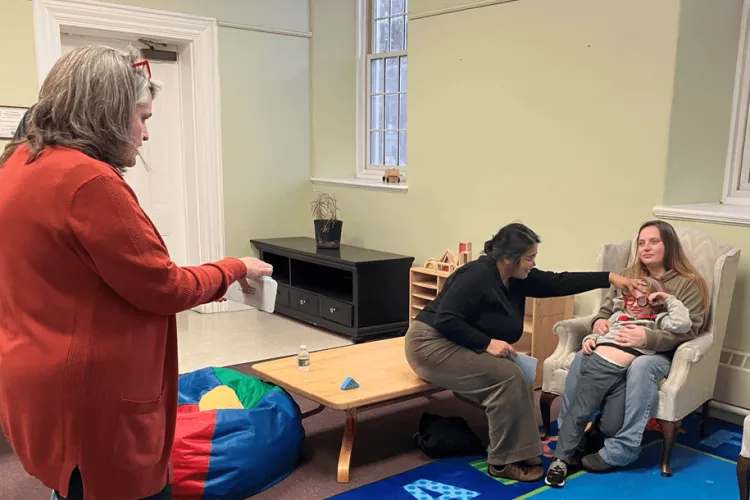
On November 13, Larner Class of 2028 medical students Jessica Gagne, Hiba Hussain, and Clara Loftis participated in the second annual Family Connections Program vision screening event for underserved Burlington, Vermont, families, in coordination with UVM Medical Center ophthalmologist Sujata Singh, M.D., and certified orthoptist Sheila Chamberlin, CO. This event was held last year through a joint partnership created by Larner 2025 alums Jasmine Bazinet-Phillips, M.D., M.S.Ed., and Ashwini Sarathy, M.D., to help local Champlain Valley Head Start (CVHS)–affiliated students who did not pass their vision screenings to ensure follow-up visits for best health outcomes.
The medical students were available to support the screening activities, share relevant educational materials for parents, and answer any lingering questions. Loftis shared her thoughts about the experience: “Being involved in community partnerships like this helps me see how strong connections between families, providers, and local programs can strengthen community ties and support a more holistic approach to care.” Hussain commented. “Seeing how a simple screening test could open the door to a lifetime of better vision for children, with Dr. Singh and Sheila’s care, was truly moving.” Gagne reflected on the vibrant energy of the children. “It was such a meaningful experience getting to work directly with members of our community,” she said.
Through this program, Singh and Chamberlin, in collaboration with CVHS’s pre-existing vision screening efforts, created a more streamlined referral process to UVMMC pediatric ophthalmology for children who needed more vision support and follow-up.
Read more about the Family Connections Program vision screening event
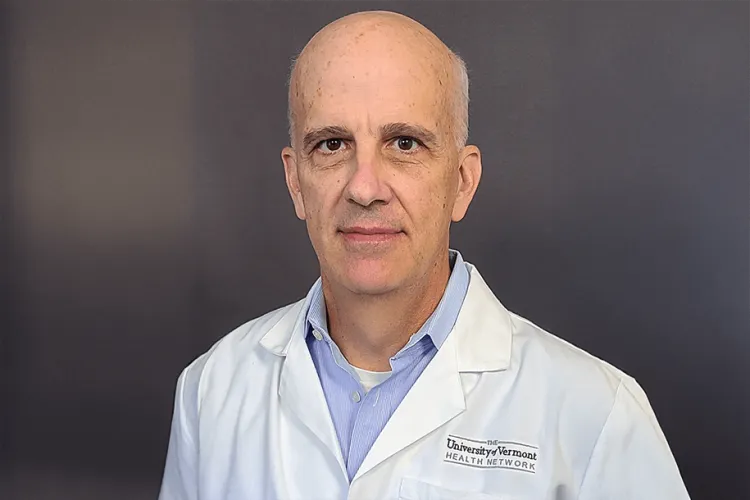
Stephen Teach, M.D., a professor of pediatric emergency medicine at the University of Vermont’s Larner College of Medicine, has been awarded a $10,000 grant from the Leahy Institute for Rural Partnerships to pilot a new collaborative asthma treatment protocol—known as School-Based Asthma Therapy (SBAT)—aimed at improving access to essential health care for children with asthma in rural Vermont schools.
Asthma is the most chronic disease of childhood, and Vermont has the 15th highest rate of childhood asthma in the nation. Rural children and those experiencing poverty bear a disproportionate burden of the disease, which involves recommended daily therapies that are often complex and difficult to monitor as children move from home to school to activities.
“Persistent asthma impacts so many aspects of a family’s life. Fixing it really rocks the family’s world in a positive way” — Stephen Teach, M.D.
UVM’s Larner College of Medicine and College of Nursing and Health Sciences are partnering with the Vermont School Nurses Association and other providers to explore whether implementing SBAT might help reduce asthma symptoms, emergency department visits, and missed school days across the Green Mountain State.
Read more about School-Based Asthma TherapyRead more about this Leahy Institute project
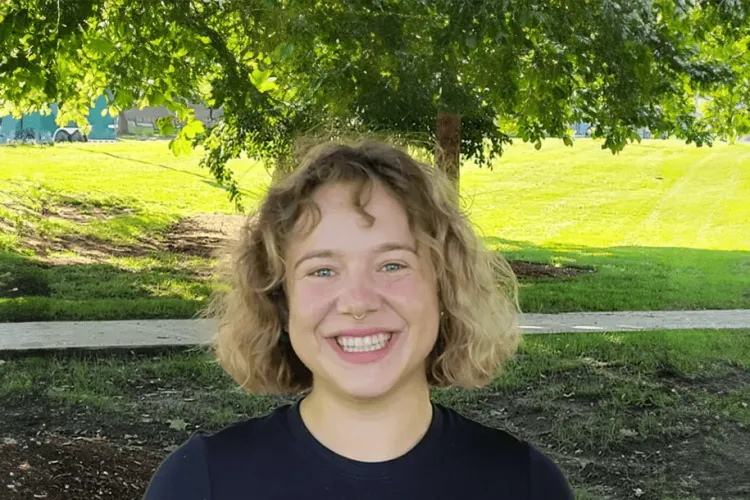
Emily Levine, M.A., a doctoral student in clinical psychology and a pre-doctoral fellow at the Larner College of Medicine’s Vermont Center on Behavior and Health, was awarded an Advancing Whole Health Through Innovative Research grant from the Osher Center for Integrative Health at UVM. Levine’s community-engaged research focuses on developing and implementing community-engaged interventions for underserved and vulnerable populations experiencing substance use and other co-occurring psychiatric disorders, with a particular interest in harm reduction–centered approaches as well as elevating the voices of individuals with lived experience to help develop such interventions and reduce barriers to care.
Projects by Osher affiliates Levine, Justin Garwood, Carissa Wengrovius, and Victoria Priganc were awarded these grants to advance whole health through innovative research. These awards—offered for the first time this year—will support pioneering 2026 projects that embody the center’s work promoting integrative, evidence-based approaches that optimize health for people and planet.
Read more about Levine’s grant project
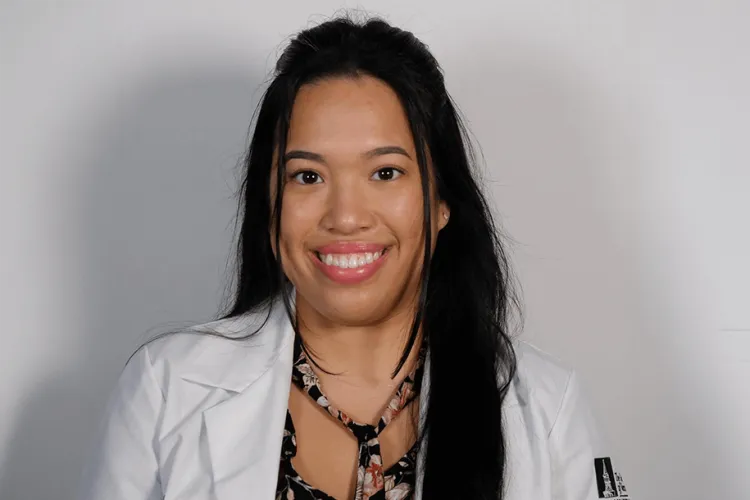
Jasmine Macias ’26 has been awarded the Latino Medical Student Association (LMSA) National Scholarship for her leadership in immigrant and Latinx health equity. As LMSA’s National Migrant Health Task Force leader, she launched the first national migrant health advocacy and leadership series, reaching more than 160 students nationwide, and created toolkits and resources shared with 150+ LMSA chapters that strengthened migrant health initiatives across the country.
The Latino Medical Student Association is a non-profit organization founded to represent, support, educate, and unify medical trainees, especially those who identify as Hispanic or Latina/o/x.
Read more about the LMSA National Scholarships
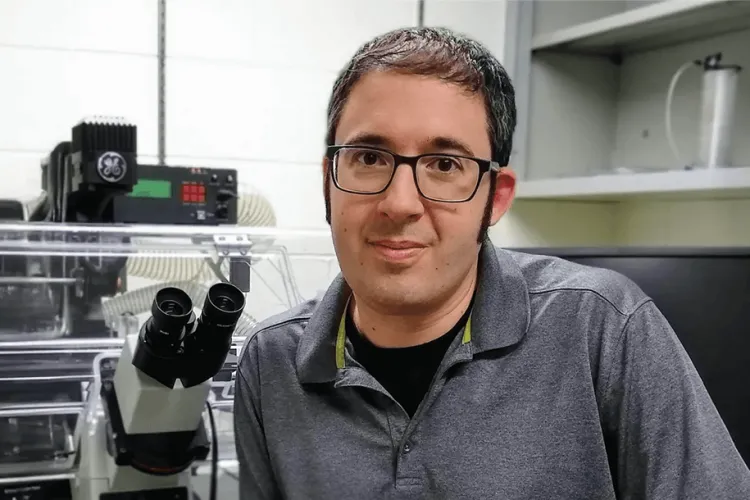
The UVM Cancer Center (UVMCC) Cancer Host and Environment research program recently welcomed new member Jeremy Logue, Ph.D. Dr. Logue, an associate professor at Albany Medical College, is a fundamental scientist who studies the molecular mechanisms that govern cell migration, especially in melanoma. Investigating how cancer and immune cells migrate through the tight, confining spaces found in tissues, Logue’s lab has discovered that when cells are physically constrained, they can switch to a completely different migration mode—a phenomenon called migration plasticity.
The biggest takeaway from Logue’s work is that the ability of cancer cells to change how they move is likely a key factor in how they metastasize and resist therapy. Understanding these mechanisms opens new avenues for targeting metastasis, which remains the leading cause of cancer mortality.
His groundbreaking research will be a valuable addition to UVMCC’s Cancer Host and Environment program.