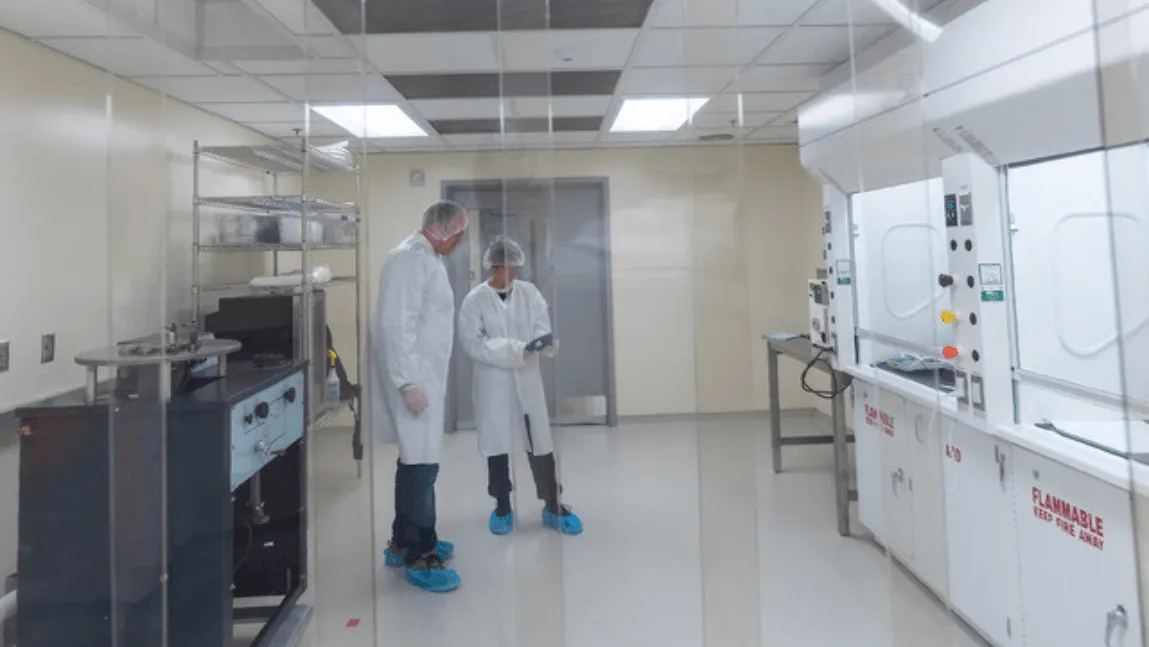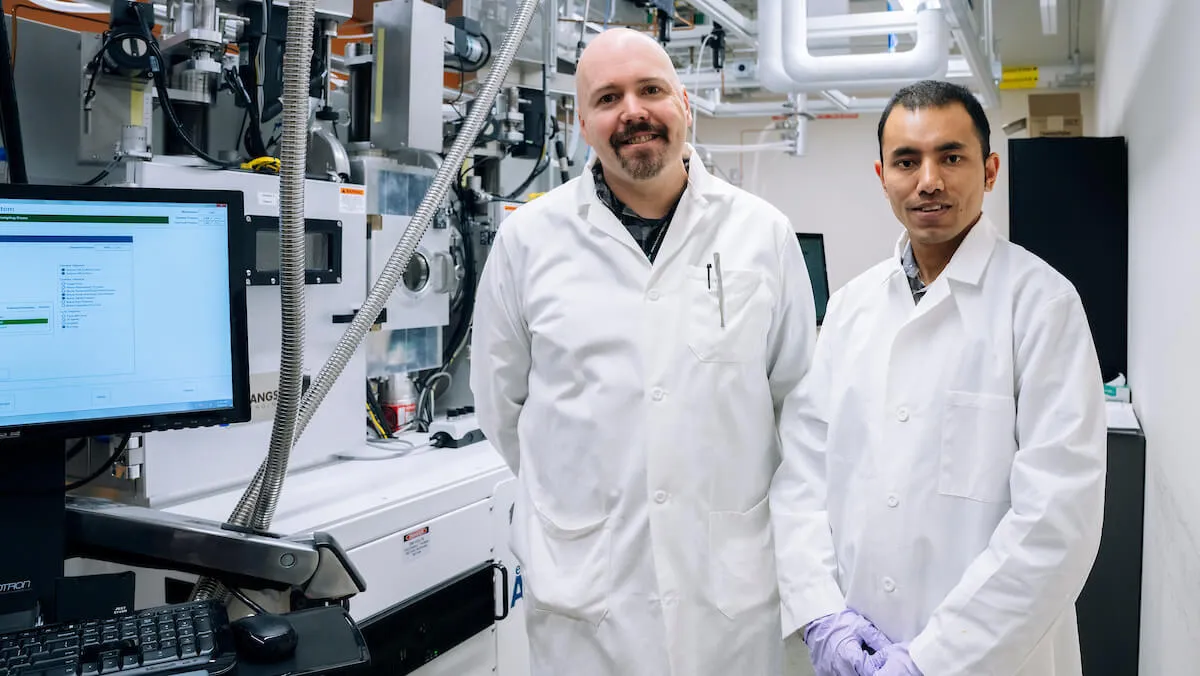
Science, at its heart, is a team sport. And a new research project that aims to develop economical, clean and efficient forms of energy to address climate change is a team that spans continents. Partnership for International Research and Education (PIRE) is an international collaboration that aims to find a solution by optimizing solar power using organic, soft electronic materials as semiconductors.
Matthew White, PhD, associate professor of Physics and Materials Science at the Univ. of Vermont (UVM) and Madalina Furis, PhD, a professor of Physics at the Univ of Oklahoma (OU) lead an interdisciplinary team of eight scientists who received 1.5 million dollars in funding from the National Science Foundation (NSF) to establish the PIRE program in collaboration with scientists at the Yamagata and Osaka universities in Japan.
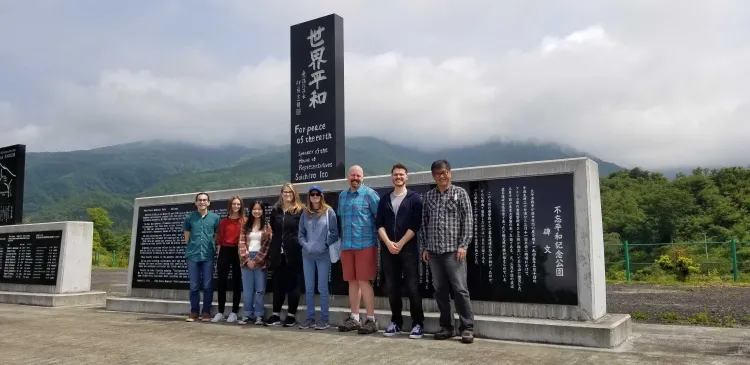
“Madalina and I have been building this collaboration with our Japanese partners for the past 7 years,” said White. “We have recently been running an NSF-funded “International Research Experience for Students (IRES)” program and this PIRE award represents a significant expansion of our team and the type of research and education activities that we can engage in over the next three years.”
The two principal investigators and their collaborators, Profs. David Punihaole (UVM-Chemistry), Jihong Ma (UVM- Mechanical Engineering), Kyle Ikeda (UVM- Asian Languages and Literature), Ian Sellers (OU-Physics), Joseph Tischler (OU-Physics) and Binbin Weng (OU-Electrical Engineering) will investigate harvesting, storing, and transferring of energy in soft electronic materials for cost effective, high-throughput photovoltaics and flexible electronics applications, while training international scientists and promoting intercultural exchange.
This partnership will bring the US-based participants unprecedented access to the remarkable soft-materials and optoelectronic device fabrication, characterization facilities, and extensive connections with semiconductor industries of tomorrow.
Changing the Game
White, Furis, and their teams are working to understand the properties of types of organic, soft-matter semiconductors to make photovoltaics more efficient, but also to extend the value of the materials for other types of applications that go beyond their traditional use, such as wearable medical devices. For example, wearable long- term diagnostic devices that are smaller, more efficient and less invasive for the patient may lead to better understanding of onset and evolution of chronic diseases.
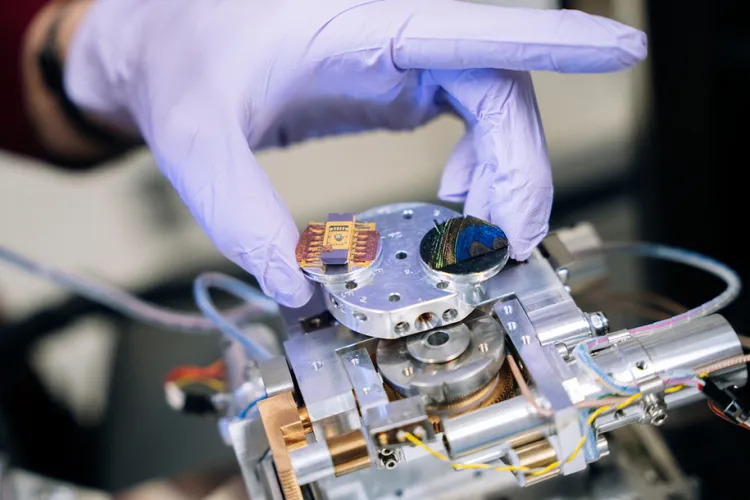
“It could revolutionize the whole medical industry, the way we deliver healthcare to people,” Furis said. “We could essentially cheaply monitor vital signs, and without any disturbance to people. Many of these molecules, some that are hardly studied, are entirely compatible with the human physiology.”
In addition to research support, the program offers a generous summer stipend for an international research experience geared towards undergraduate physics, chemistry, and engineering undergraduate students recruited from four-year academic institutions of the researchers’ home states. The students will also benefit from language and culture training that will enable them to navigate the waters of international collaborative research in their future careers.