Ateliers: Problem-Based Field Workshops Around the World
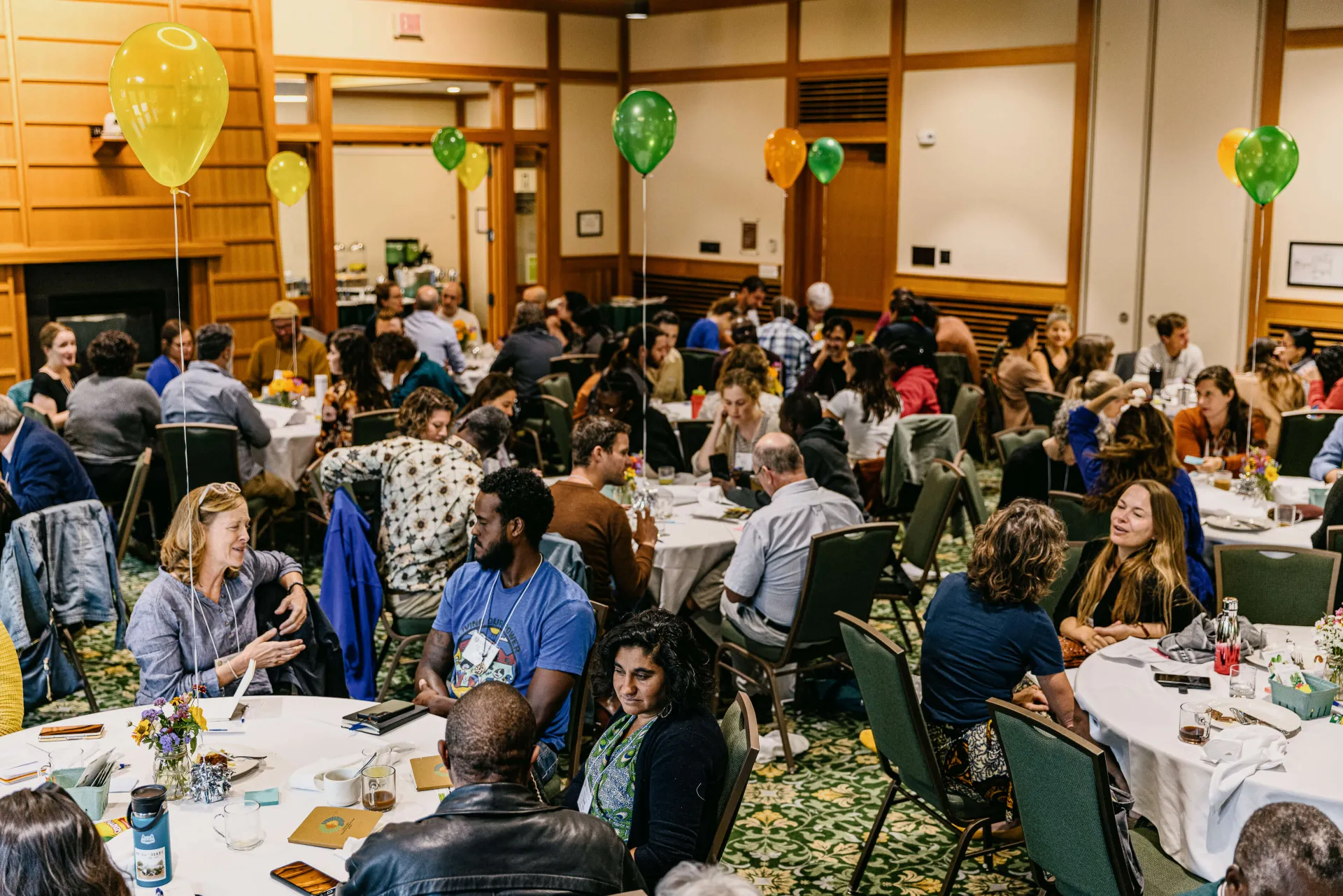
Ateliers are problem-solving workshops conducted in local communities around the world. Ateliers combine guest lectures, case studies, and student-led research on a specific socio-environmental issue in a particular place. Ateliers take students out of the classroom and place them in the field where they are able to study an issue firsthand and develop the measurements, tools, and strategies necessary to resolve it.
-
Recent Ateliers
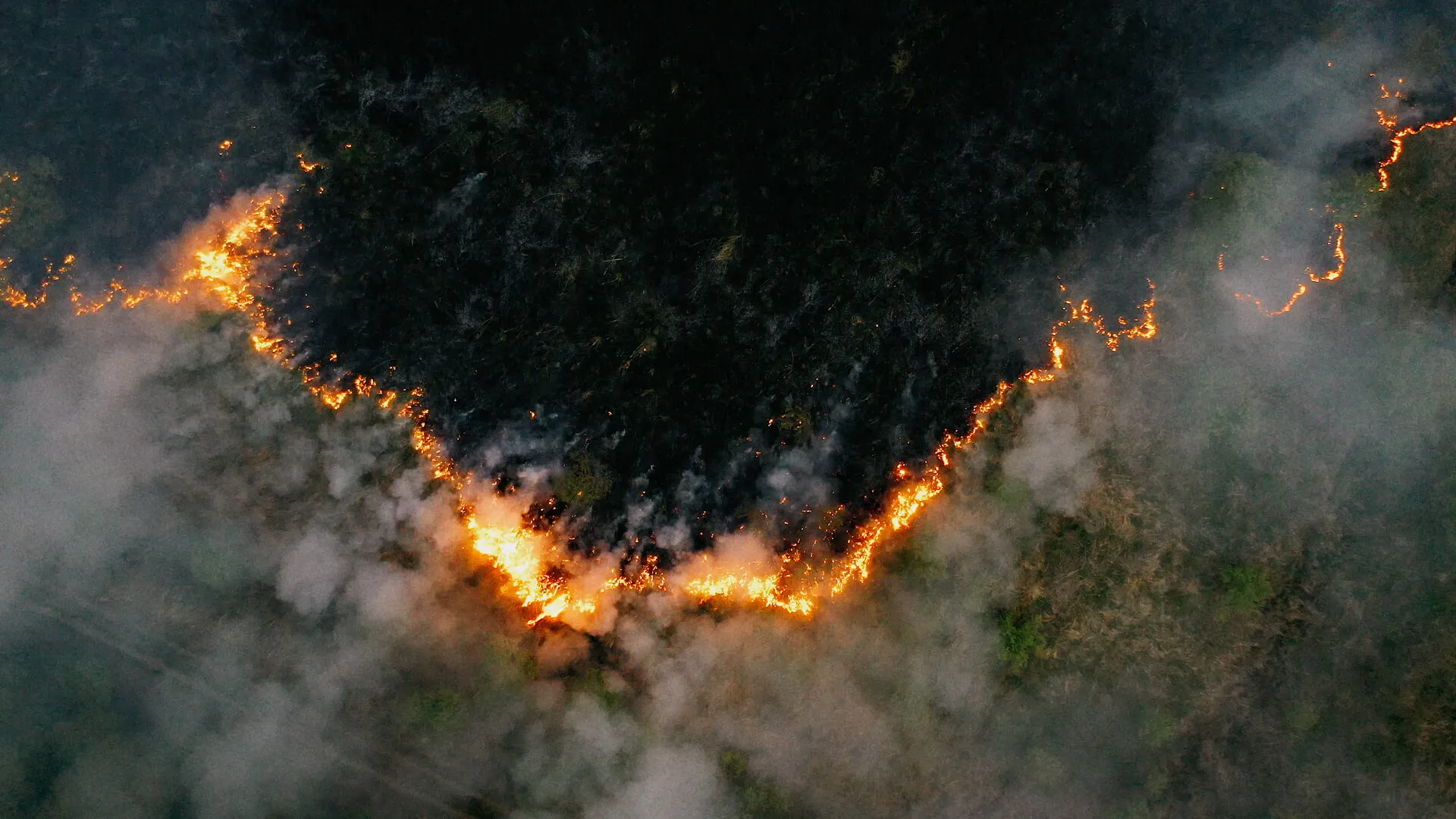
Summer 2011 | Forests, Fire, Restoration and Biomass Energy in New Mexico
In this atelier students worked with the non-profit Forest Guild in the Mt. Taylor district of the Cibola National Forest, located near the Navajo and Zuni Reservations in northwestern New Mexico. It was part of an ongoing project that works with local stakeholders to restore degraded forests using strategies including replanting, fire management and biomass harvesting.
Spring 2011 | Vermont Common Assets Trust
Students researched how to quantify available revenue in Vermont using common assets such as atmospheric absorption of carbon and groundwater use. The findings informed policy recommendations for legislators, which introduced students to the process of forming public policy and public finance.
Spring 2010 | Marine Ecosystem Tradeoffs in the Gulf of Maine
The Massachusetts Oceans Act was passed in 2008 requiring that the state develop a comprehensive plan to manage development in its waters. This atelier examined multiple uses in the waters of Massachusetts, such as fisheries, whale watching, energy infrastructure, and conservation.
Spring 2010 | Measuring Genuine Economic Progress in Iceland
This atelier investigated the history and evolution of macroeconomic indicators in Iceland and designed and calculated the first genuine progress indicator for the country. The course also had a focus on energy systems design and greenhouse gas emissions, as Iceland tries to become the first net carbon neutral economy in the world. Taught jointly with the University of Iceland.
Fall 2009 | Food, Energy and Quality of Life Sustainable Agriculture Field Study in Iowa
This atelier featured a 10-day immersion at Iowa State University in collaboration with their respected sustainable agriculture program. Participants investigated conventional and alternative agricultural food and energy systems in Iowa, and developed future projections for these systems. The application of ecological economics was also a main goal during the course.
Atelier Archive
Summer 2011
|
Forests, Fire, Restoration and Biomass Energy, New Mexico |
Spring 2011
|
Vermont Common Assets Trust, USA |
Spring 2010
|
Marine Ecosystem Tradeoffs in the Gulf of Maine |
Spring 2010
|
Measuring Genuine Economic Progress in Iceland |
Fall 2009
|
Food, Energy and Quality of Life Sustainable Agriculture in Iowa, USA |
Summer 2007-09
|
La Antigua Texotli in Mexico |
Fall 2007
|
Overcoming Institutional Roadblocks to Sustainability in Vermont, USA |
Fall 2007
|
Sustainable Forest Management in the Ukrainian Carpathians, Ukraine |
March 2007
|
Payments for Ecosystem Services: From Local to Global in Costa Rica |
Summer 2006
|
Green Awassa in Ethiopia |
Jan/Nov 2005
|
AIDS Education and Batey Life in the Dominican Republic |
Spring 2005
|
A Class Journey through the Camisea Pipeline in Peru |
Spring 2004
|
Forest Resource Values in the White River Watershed, Vermont USA |
March 2004
|
Renewable Energy Workshop in the Dominican Republic |
Spring 2004
|
Winter Sport Culture, Community and Economy in Aroostook County, Maine, USA |
February 2003
|
Micro-hydro and Renewable Energy in the Dominican Republic |
Spring 2004
|
Impacts of Industrial Shrimp Aquaculture on Mangrove Systems in Palawan, Philippines |
January 2002
|
Atlantic Forest Restoration as a Watershed Management Tool in Rio de Janeiro, Brazil |
June 2001
|
Sustainable Tourism in Small Islands of the Caribbean in the Donimican Republic |
May 1997
|
Resolving Resource Conflicts using Ecological Economics Models in Zimbabwe |
July 1995
|
Valuation and Management of Fynbos Ecosystems in Cape Town, South Africa |
Questions?
We are happy to answer general questions about the ateliers.
Have an Idea or Need for an Atelier?
Gund ateliers occur wherever there is a need for the solutions they provide. There are no strict guidelines that qualify an issue or a community for an atelier. Working in intimate collaboration with local institutions and other stakeholders, each atelier leaves behind a legacy of hope as it provides a unique learning experience for all involved. If interested, please contact us today.